
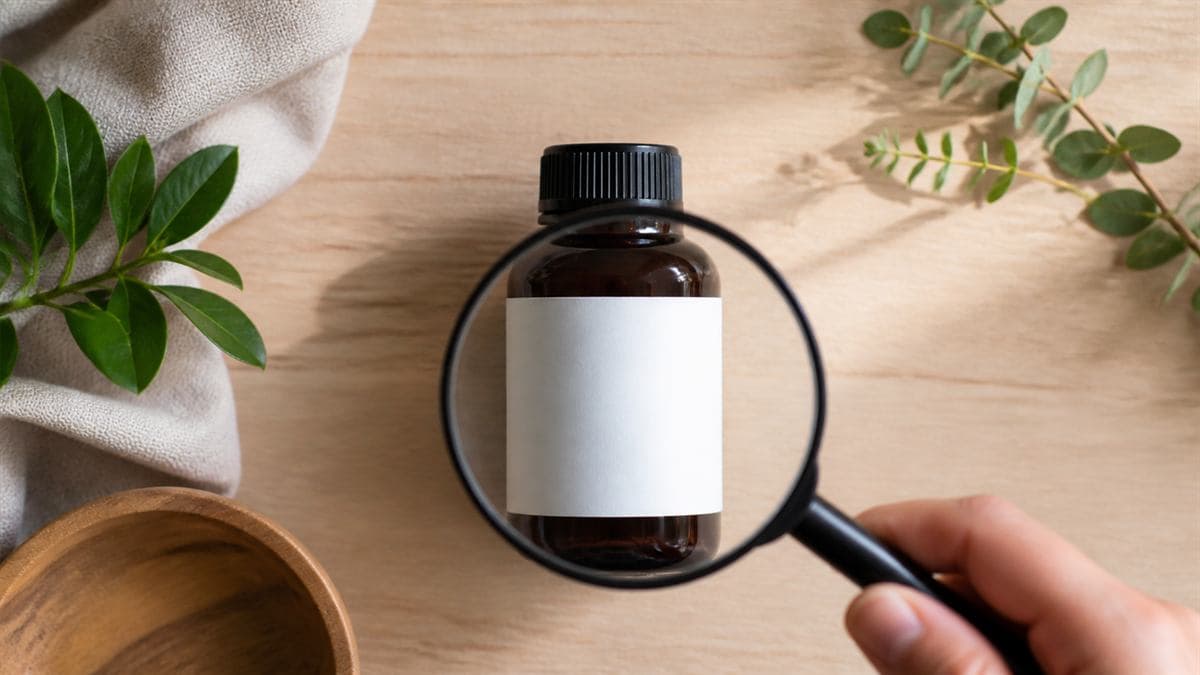
Wellness product labels and marketing copy lean on a specific vocabulary that sounds meaningful but often goes unexplained — "therapeutic grade," "cold-processed," "full-spectrum," and similar terms show up constantly without much context for what they actually mean or why they'd matter to a buyer. A plain-language rundown of the most common terms makes label-reading a lot more useful.
"Cold-processed" / "cold-pressed"
This refers to a production method that avoids high heat during processing, based on the idea that heat can degrade certain sensitive compounds in raw ingredients. It's most commonly seen on oils and certain extracts. The practical takeaway: it's a manufacturing method claim, not automatically a guarantee of higher quality — the quality of the starting ingredient still matters just as much as the processing method used on it.
"Full-spectrum" vs. "isolate"
"Full-spectrum" generally means a product retains a broader range of a source ingredient's natural compounds, rather than isolating a single active compound in a purified form ("isolate"). Neither is universally "better" — it depends on the specific product category and what you're looking for; some people prefer the broader profile of full-spectrum products, others prefer the precision and consistency of an isolate. Understanding this distinction helps you choose based on what you actually want rather than assuming one term automatically signals a superior product.
"Therapeutic grade"
This term sounds like it references an official regulatory standard, but it's not a formally regulated or standardized classification in most wellness product categories — different brands can use it to mean different things. It's worth treating as a marketing term rather than a certification, and looking instead for specific, verifiable details (sourcing information, third-party testing results) if a brand's actual quality control matters to your purchase decision.
"Third-party tested"
This means an independent lab, separate from the manufacturer, has tested the product — typically for purity, potency, or the absence of specific contaminants. This is one of the more meaningful label claims in the wellness space, since it involves independent verification rather than a brand's own unverified claim about itself. When available, checking whether a brand publishes or shares the actual test results (not just the claim that testing happened) adds another layer of confidence.
Other common terms worth knowing
- "Proprietary blend" — a mix of ingredients whose exact individual amounts aren't disclosed, only the total blend amount; this makes it harder to evaluate how much of any single ingredient you're actually getting
- "Standardized extract" — an extract guaranteed to contain a consistent percentage of a specific active compound, which adds a layer of dosing consistency compared to a non-standardized extract
- "Bioavailability" — how well your body can actually absorb and use a given compound; a higher-dose product with poor bioavailability isn't automatically more effective than a lower-dose one your body absorbs more efficiently
- "Sustainably sourced" — refers to the sourcing/harvesting practice, not the product's effectiveness or quality directly; it's a separate consideration from potency or purity
How to actually use this vocabulary when shopping
None of these terms alone tells you whether a specific product is right for you — they're context for reading a label more critically rather than shortcuts to a "best" answer. The most useful approach is usually to look for terms that indicate verification (third-party testing, standardized extracts with disclosed percentages) over terms that are purely marketing language without a clear, checkable meaning behind them ("therapeutic grade," vague "premium" claims).
"Adaptogen"
This term refers to a category of plant-based ingredients traditionally used with the idea that they help the body adapt to stress, though the scientific evidence supporting specific adaptogenic claims varies considerably by ingredient and is an active area of ongoing research rather than settled consensus. Products using this term are making a category claim about traditional use and purported mechanism, not necessarily a claim backed by the same level of evidence as a well-studied pharmaceutical ingredient — worth keeping in mind when evaluating marketing built heavily around this term.
How to use this vocabulary without over-trusting any single term
No single label term, however precise-sounding, is a substitute for looking at the fuller picture of a product — its full ingredient list, any actual third-party verification, and, where health claims are involved, independent research or a conversation with a healthcare provider rather than relying solely on label language. This glossary is meant to help decode what specific terms actually mean, not to serve as an endorsement of any product category or health claim on its own.
"Non-GMO" and what it does and doesn't tell you
A non-GMO claim addresses one specific aspect of how ingredients were sourced or grown, separate entirely from potency, purity, or overall product quality — it's a real, meaningful claim for buyers who specifically prioritize this factor, but it shouldn't be read as a broader quality signal beyond what it actually addresses. Understanding that individual label claims each address one narrow aspect of a product, rather than serving as a general seal of overall quality, is a useful mental model for reading wellness labels more accurately overall.
"Vegan" as a distinct claim from "natural"
A vegan claim addresses whether a product contains or was tested on animal-derived ingredients, a completely separate consideration from whether a product is "natural" or synthetic — a product can be vegan and entirely synthetic, or natural and not vegan, so treating these as two independent label claims rather than overlapping ones avoids confusion.
If you're ready to buy, Gold healing is worth checking — they currently have 20% off live right now.
If you're ready to buy, Gold healing is worth checking — they currently have 20% off live right now.
If you're ready to buy, Gold healing is worth checking — they currently have 20% off live right now.
If you're ready to buy, Gold healing is worth checking — they currently have 20% off live right now.
If you're ready to buy, Gold healing is worth checking — they currently have 20% off live right now.
If you're ready to buy, Gold healing is worth checking — they currently have 20% off live right now.
If you're ready to buy, Gold healing is worth checking — they currently have 20% off live right now.
If you're ready to buy, Gold healing is worth checking — they currently have 20% off live right now.
If you're ready to buy, Gold healing is worth checking — they currently have 20% off live right now.
If you're ready to buy, Gold healing is worth checking — they currently have 20% off live right now.
If you're ready to buy, Gold healing is worth checking — they currently have 20% off live right now.
If you're ready to buy, Gold healing is worth checking — they currently have 20% off live right now.
If you're ready to buy, Gold healing is worth checking — they currently have 20% off live right now.
If you're ready to buy, Gold healing is worth checking — they currently have 20% off live right now.
If you're ready to buy, Gold healing is worth checking — they currently have 20% off live right now.
If you're ready to buy, Gold healing is worth checking — they currently have 20% off live right now.
Get 20% OFF at Gold healing
This article contains an affiliate link. If you buy through it, 5listed may earn a commission at no extra cost to you — see our review policy.
Conclusion
Wellness product labels use a specific vocabulary that can sound more meaningful than it actually is without context. Knowing which terms reflect a verifiable claim (third-party testing, standardized extracts) versus which are largely marketing language (therapeutic grade, premium) makes it much easier to read a label critically and shop with more confidence.
Keep reading
Related Articles

Published: August 11, 2026
Caring for Your EV Charging Accessories So They Actually Last for Years
A charging cable gets handled, coiled, and dragged across the garage floor daily. Here's how to keep it in good shape for the long haul.
Herbal Tea Terms Explained: What's Actually on the Label
Published: August 11, 2026
Herbal Tea Terms Explained: What's Actually on the Label
Herbal tea packaging uses a specific vocabulary of its own. Here's what the common terms actually mean, in plain language.
Repair or Replace? A Practical Framework for Damaged Deck Boards
Published: August 11, 2026
Repair or Replace? A Practical Framework for Damaged Deck Boards
A damaged deck board doesn't always mean a full deck replacement. Here's how to tell the difference and decide sensibly.