
Building a Makeup Collection From Scratch: What to Prioritize at Each Budget Tier
Building a makeup collection from nothing is easy to approach the wrong way — buying whatever looks appealing in the moment rather than thinking through what actually delivers the most everyday value first. A tiered approach, prioritizing genuinely foundational items before expanding into more specialized products, works better regardless of overall budget size.
Tier 1 (starter budget): the true foundational basics
At the most limited budget, prioritizing a good concealer, a versatile neutral eyeshadow or two, mascara, and a lip product that works for multiple occasions covers a genuine range of everyday looks without needing anything specialized yet. Skipping trend-driven or highly specific products at this stage (a single bold eyeshadow shade, a very niche finishing product) in favor of genuinely versatile basics gets the most usable value per dollar spent.
Tier 2 (modest budget): base coverage and finishing
Once the tier 1 basics are covered, the next priority is typically a base product matched properly to your skin (foundation or tinted moisturizer, depending on preference for coverage level) and a setting product to help makeup last through the day. This tier is also a reasonable point to add one or two eyeshadow shades beyond the initial neutral basics, expanding versatility without yet moving into specialized or trend-specific territory.
Tier 3 (moderate budget): tools and technique-enabling products
Good application tools — brushes or sponges suited to how you actually apply products — often make a bigger visible difference in finished results than upgrading to pricier versions of products you already own. This tier is where investing in tools that improve technique and blending pays off more than simply buying more product variety, since even excellent products can look mediocre with poor application tools or technique.
Tier 4 (larger budget): specialization and exploration
Once the fundamentals and tools are solidly covered, this is the reasonable point to start exploring more specialized or trend-specific products — a bold statement shade, a niche finishing technique product, seasonal or occasion-specific items. Products at this tier add variety and creative range rather than closing genuine everyday gaps, which is why they make more sense as a later addition than an early priority.
A common mistake this framework avoids
A frequent pattern, especially for newer makeup buyers, is investing in eye-catching specialized products early (an elaborate eyeshadow palette, a trend-specific product) before covering genuine everyday basics like a properly matched base product or good concealer. This often leads to a collection with a lot of underused specialized items and real gaps in the foundational products actually worn most days. Building tier by tier, rather than budget-by-excitement, avoids this pattern.
A quick reference by tier
- Tier 1: concealer, neutral eyeshadow basics, mascara, versatile lip product
- Tier 2: properly matched base product, setting product, one or two additional eyeshadow shades
- Tier 3: quality application tools (brushes/sponges) matched to your technique
- Tier 4: specialized, trend-specific, or occasion-specific products
Adjusting the framework for a specific look or occasion focus
This framework assumes a general everyday collection, but someone building specifically toward one occasion type (a special event look, for instance) may reasonably reorder some priorities — investing earlier in a specific specialized product that's central to that particular look, even ahead of some general tier 2 or 3 basics that matter less for that narrow use case. The core principle of building fundamentals before specialization still applies, but "fundamentals" should be interpreted relative to your actual primary use case rather than followed as a rigid universal sequence.
Reassessing and retiring products as a collection matures
As a collection grows across these tiers, periodically reviewing what's actually still being used — and being willing to retire products that turned out to be a poor fit, went unused, or have simply expired — keeps a collection genuinely functional rather than accumulating indefinitely. This kind of periodic review is a natural complement to the staged building process described above, ensuring the collection stays aligned with actual current preferences rather than reflecting purchase decisions made months or years earlier under different circumstances.
How seasonal and trend cycles interact with this tiered approach
It's worth being cautious about letting seasonal trend cycles pull spending toward tier 4 specialized products before tier 1-3 fundamentals are genuinely solid — trend-driven marketing is designed to create urgency around specific seasonal products regardless of where a specific buyer actually sits in their own collection-building journey. Recognizing trend-driven marketing pressure for what it is, and sticking to the tiered order that matches your own actual current collection gaps, keeps spending aligned with genuine need rather than marketing timing.
How to handle gifted or sample products within this framework
Gifted products or samples that arrive out of the tiered order discussed above don't need to be discarded or ignored — incorporating them where they genuinely fit your current needs, while still using this framework to guide deliberate purchases, keeps the system flexible without abandoning its underlying logic.
A brief note on seasonal color updates within the tiers
Once tier 2 and 3 basics are solid, small seasonal color updates (a new lip shade for a season) can reasonably happen more frequently than a full tier progression, treated as minor refreshes rather than requiring a full reassessment of the whole framework each time.
If you're ready to buy, Piperblue makeup is worth checking — they currently have 10% off with code DUYNGUYENKHAC live right now.
If you're ready to buy, Piperblue makeup is worth checking — they currently have 10% off with code DUYNGUYENKHAC live right now.
If you're ready to buy, Piperblue makeup is worth checking — they currently have 10% off with code DUYNGUYENKHAC live right now.
If you're ready to buy, Piperblue makeup is worth checking — they currently have 10% off with code DUYNGUYENKHAC live right now.
If you're ready to buy, Piperblue makeup is worth checking — they currently have 10% off with code DUYNGUYENKHAC live right now.
If you're ready to buy, Piperblue makeup is worth checking — they currently have 10% off with code DUYNGUYENKHAC live right now.
If you're ready to buy, Piperblue makeup is worth checking — they currently have 10% off with code DUYNGUYENKHAC live right now.
If you're ready to buy, Piperblue makeup is worth checking — they currently have 10% off with code DUYNGUYENKHAC live right now.
If you're ready to buy, Piperblue makeup is worth checking — they currently have 10% off with code DUYNGUYENKHAC live right now.
If you're ready to buy, Piperblue makeup is worth checking — they currently have 10% off with code DUYNGUYENKHAC live right now.
If you're ready to buy, Piperblue makeup is worth checking — they currently have 10% off with code DUYNGUYENKHAC live right now.
If you're ready to buy, Piperblue makeup is worth checking — they currently have 10% off with code DUYNGUYENKHAC live right now.
If you're ready to buy, Piperblue makeup is worth checking — they currently have 10% off with code DUYNGUYENKHAC live right now.
If you're ready to buy, Piperblue makeup is worth checking — they currently have 10% off with code DUYNGUYENKHAC live right now.
If you're ready to buy, Piperblue makeup is worth checking — they currently have 10% off with code DUYNGUYENKHAC live right now.
If you're ready to buy, Piperblue makeup is worth checking — they currently have 10% off with code DUYNGUYENKHAC live right now.
Get 10% OFF at Piperblue makeup
Use code DUYNGUYENKHAC at checkout
This article contains an affiliate link. If you buy through it, 5listed may earn a commission at no extra cost to you — see our review policy.
Conclusion
Building a makeup collection works best in stages — foundational everyday basics first, followed by base coverage and finishing products, then quality tools, and only then more specialized or trend-driven items. This order maximizes everyday usability at every budget level, rather than ending up with an exciting but impractical collection that skips genuine basics in favor of eye-catching extras.
Keep reading
Related Articles
Published: August 11, 2026
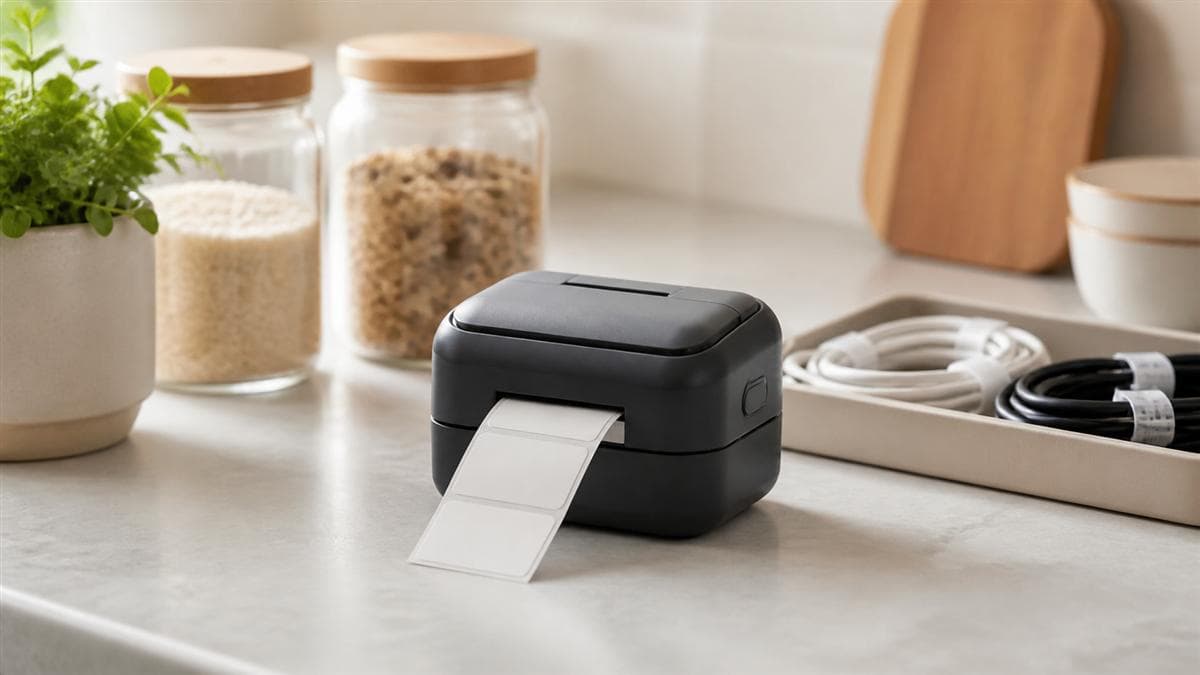
Niimbot Portable Label Printer Review: Is It Actually Worth Using for Everyday Organizing?
A practical look at Niimbot's pocket-sized Bluetooth label printers — what they're genuinely good at, where they fall short, and who should skip them.

Published: August 11, 2026
Xbows Mechanical Keyboards Long-Term: What Actually Holds Up After Regular Daily Use
Ergonomic mechanical keyboards get a lot of hype at unboxing. Here's what tends to matter — and what tends to wear — once one becomes your daily driver.
Published: August 11, 2026
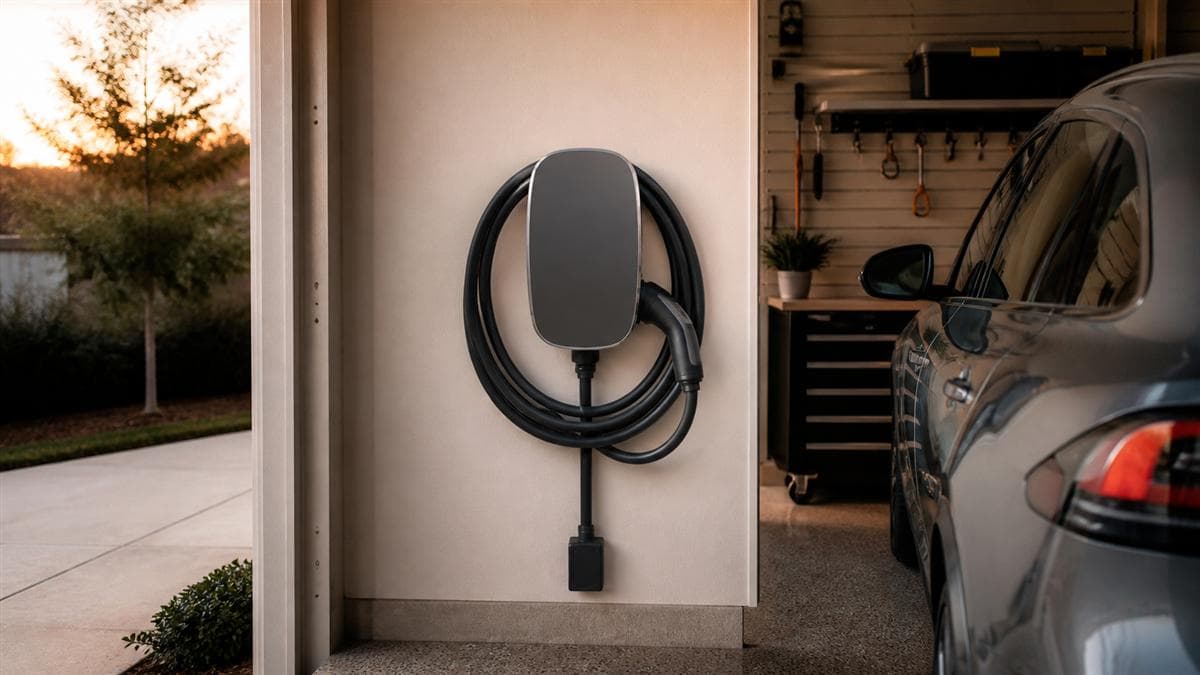
Juice Technology AG EV Chargers Compared: Which Model Actually Fits Your Setup
Juice Technology AG makes several home and portable EV charging options. Here's how the general categories differ so you pick the right one, not the flashiest one.