
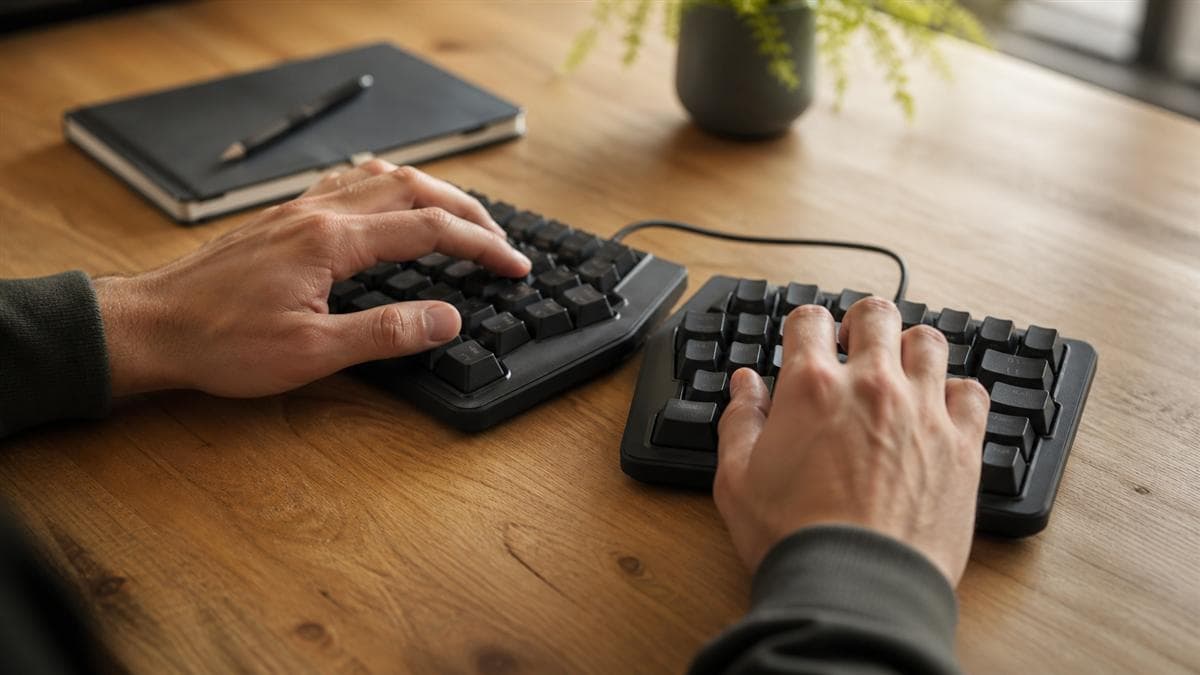
Ergonomic split and low-profile mechanical keyboards, the category Xbows is known for, tend to get judged almost entirely on first impressions — how the switches feel out of the box, how the split layout adapts to your hands in the first week. Long-term durability gets talked about far less, which is a problem, because a keyboard you use for work every day lives or dies on how it holds up after month six, not day one. This is especially true for anyone considering an ergonomic board as a serious daily-driver investment rather than a novelty purchase.
What tends to hold up well
Mechanical switches in general are built for a high number of keystrokes before any meaningful degradation, and that's true across most reputable switch types used in ergonomic boards — the core typing feel on a well-built board usually stays close to day-one for a long time. Keycap legends (the printed letters) on higher-quality boards also tend to resist fading better than cheap membrane keyboards, especially if the printing method is durable rather than a thin surface coating. The underlying switch mechanism itself, being a purely mechanical spring-and-contact design, is genuinely one of the more durable input technologies in consumer electronics — it's a large part of why mechanical keyboards develop such loyal followings among heavy typists.
The split-board hinge or connector (on boards that physically separate into two halves) is another component worth noting: on well-built units, this connection point is designed to handle repeated repositioning without loosening, since the whole appeal of a split board is adjusting the distance and angle between halves to fit your shoulders.
What tends to show wear first
- Keycap shine — the most-used keys (WASD, spacebar, common letters) can develop a slight shine over many months as the plastic surface polishes from finger contact; it's cosmetic, not functional
- Cable connectors — for boards using a detachable USB-C cable, the port sees the most physical stress from daily plug/unplug cycles if the board is moved often
- Adjustable feet or tenting mechanisms — on ergonomic boards with adjustable angle/tilt hardware, these moving parts are usually the first thing to loosen with frequent readjustment
- The connecting cable between split halves — on boards that separate fully, the cable running between the two halves sees more flex and repositioning stress than a standard keyboard cable ever would
How to make one last longer
A few habits go a long way: avoid unnecessary force when adjusting tenting/tilt hardware, keep the board away from spills (obvious, but ergonomic split boards often sit closer to a coffee mug given the wider desk footprint), and give it an occasional clean under the keycaps where dust accumulates fastest. Pulling keycaps for a deeper clean every few months, rather than only when something visibly goes wrong, also helps catch minor debris before it affects switch feel. None of this is Xbows-specific — it applies to any mechanical keyboard investment, split or otherwise.
Is it worth the adjustment period for the long haul?
The honest tradeoff with ergonomic split keyboards generally: the first couple of weeks are genuinely slower typing while your hands adapt to the layout, and that adjustment period is often the reason people give up before reaching the long-term comfort payoff. Typing speed during that window can noticeably dip, which surprises people who expected an immediate upgrade. If wrist and shoulder comfort during long work days is the actual goal, sticking through that adjustment period is usually where the real value shows up — not in the unboxing experience, and definitely not in the first week of noticeably slower typing.
For anyone already dealing with wrist or shoulder discomfort from a traditional keyboard layout, that adjustment period is a worthwhile tradeoff against months or years of continued strain — but it's fair to go in expecting a genuine learning curve rather than instant comfort.
Signs it's time to replace, versus signs it's just cosmetic
Not every sign of age means a board needs replacing. Keycap shine, minor cable wear, or slightly loosened tenting feet are cosmetic or easily-fixed issues, not reasons to give up on an otherwise well-functioning board. Actual replacement-worthy signs look different: switches that feel inconsistent from key to key, a connection that drops intermittently even after cable/port checks, or physical cracking in the case itself. Distinguishing "looks a little worn" from "actually failing" saves people from replacing gear that still has plenty of life left.
How Xbows-style boards compare to standard mechanical keyboards long-term
A standard, non-split mechanical keyboard shares most of the same core durability characteristics as an ergonomic split board — the switches themselves age the same way regardless of layout. What genuinely differs is the added mechanical hardware unique to split and tenting designs: the connecting cable or hinge between halves, and any adjustable tilt/tenting mechanism, neither of which exists on a standard one-piece board. This means an ergonomic split board has a few additional points of possible wear that a standard keyboard simply doesn't need to account for, even though the shared components (switches, keycaps) age comparably between the two categories.
For anyone comparing a first ergonomic purchase against sticking with a familiar standard layout purely on durability grounds, it's worth knowing that the added complexity doesn't translate to meaningfully reduced overall lifespan in practice — well-built split boards routinely serve as daily drivers for many years. The extra moving parts simply shift where wear is most likely to show up first, rather than making the board less durable overall.
If you're ready to buy, Xbows is worth checking — they currently have 10% off with code DUY live right now.
If you're ready to buy, Xbows is worth checking — they currently have 10% off with code DUY live right now.
If you're ready to buy, Xbows is worth checking — they currently have 10% off with code DUY live right now.
If you're ready to buy, Xbows is worth checking — they currently have 10% off with code DUY live right now.
If you're ready to buy, Xbows is worth checking — they currently have 10% off with code DUY live right now.
If you're ready to buy, Xbows is worth checking — they currently have 10% off with code DUY live right now.
If you're ready to buy, Xbows is worth checking — they currently have 10% off with code DUY live right now.
If you're ready to buy, Xbows is worth checking — they currently have 10% off with code DUY live right now.
If you're ready to buy, Xbows is worth checking — they currently have 10% off with code DUY live right now.
If you're ready to buy, Xbows is worth checking — they currently have 10% off with code DUY live right now.
If you're ready to buy, Xbows is worth checking — they currently have 10% off with code DUY live right now.
If you're ready to buy, Xbows is worth checking — they currently have 10% off with code DUY live right now.
If you're ready to buy, Xbows is worth checking — they currently have 10% off with code DUY live right now.
If you're ready to buy, Xbows is worth checking — they currently have 10% off with code DUY live right now.
If you're ready to buy, Xbows is worth checking — they currently have 10% off with code DUY live right now.
If you're ready to buy, Xbows is worth checking — they currently have 10% off with code DUY live right now.
Get 10% OFF at Xbows
Use code DUY at checkout
This article contains an affiliate link. If you buy through it, 5listed may earn a commission at no extra cost to you — see our review policy.
Conclusion
For a keyboard built around genuinely mechanical switches, the core typing experience tends to hold up well over long-term daily use — most wear that shows up is cosmetic (keycap shine) or mechanical-hardware related (tenting adjusters, cable ports) rather than a decline in typing feel itself. If you're weighing an ergonomic mechanical board as a daily driver, the bigger question is usually whether you'll push through the adjustment period, not whether the hardware will hold up once you do.
Keep reading
Related Articles
Published: August 11, 2026
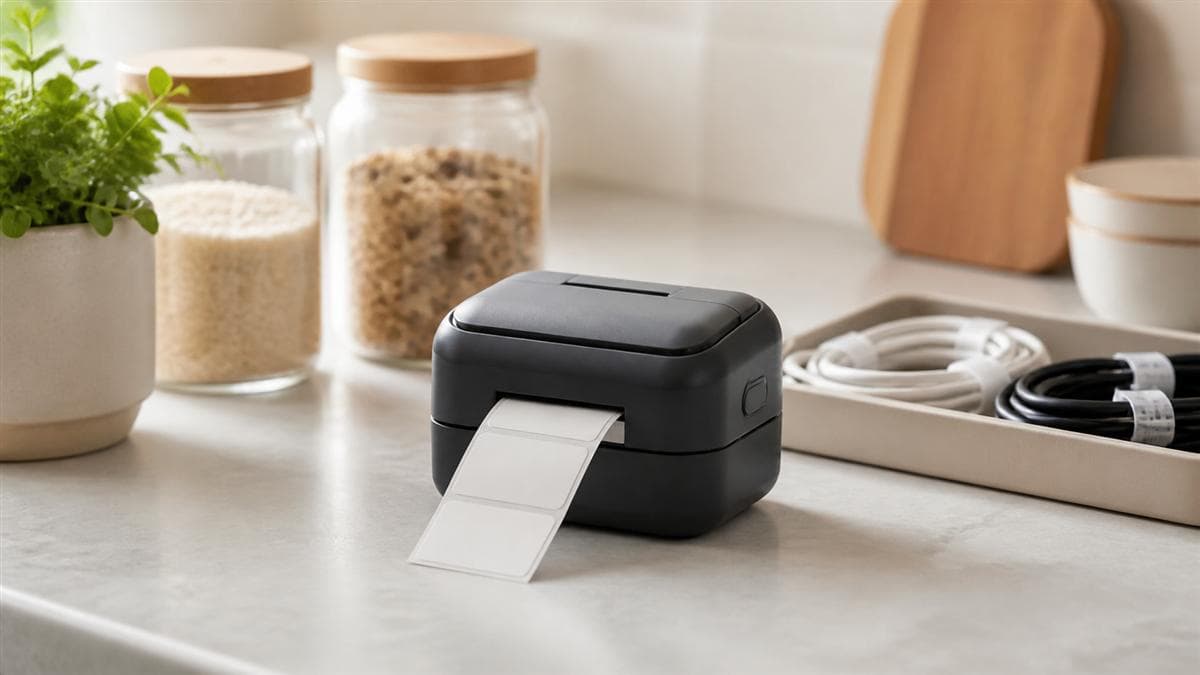
Niimbot Portable Label Printer Review: Is It Actually Worth Using for Everyday Organizing?
A practical look at Niimbot's pocket-sized Bluetooth label printers — what they're genuinely good at, where they fall short, and who should skip them.
Published: August 11, 2026
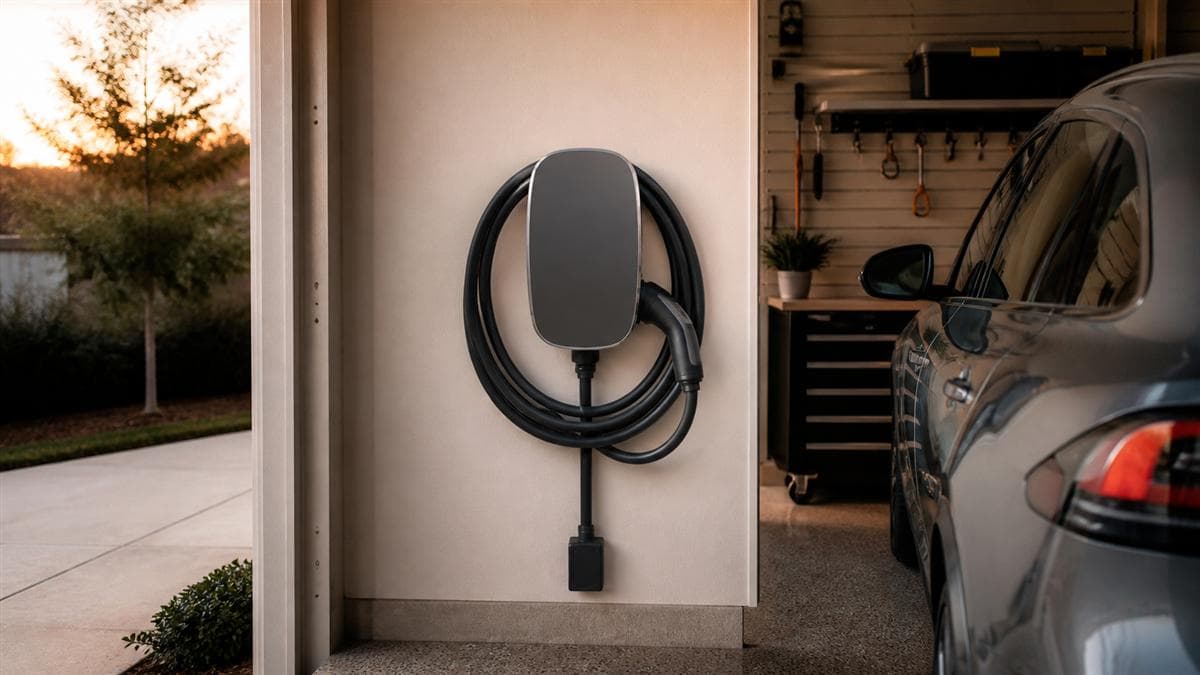
Juice Technology AG EV Chargers Compared: Which Model Actually Fits Your Setup
Juice Technology AG makes several home and portable EV charging options. Here's how the general categories differ so you pick the right one, not the flashiest one.

Published: August 11, 2026
Big Wellness & Supplement Sale Days Worth Circling on Your Calendar
A practical rundown of the recurring sale windows where wellness and supplement brands tend to offer their best pricing of the year.