
How to Figure Out What Size Jump Starter You Actually Need
Jump starter capacity is often assumed to scale simply with vehicle size — a bigger truck needs a bigger jump starter than a small sedan — but the more accurate way to size one is by engine type and displacement, not overall vehicle size. Getting this wrong means either an underpowered unit that can't reliably start your engine, or an oversized, more expensive unit than you actually need.
Check your engine's specifications first
The number that matters most is peak amperage rating relative to your engine's displacement — most jump starter listings specify a maximum engine size they can reliably start (often listed in liters for gas engines, with diesel engines needing meaningfully higher capacity for the same displacement due to higher compression). Your vehicle's owner's manual or a quick check of your engine specs (usually found on a sticker under the hood or in the manual) gives you the number to match against a jump starter's rated capability.
Gas vs. diesel changes the calculation significantly
Diesel engines have higher compression ratios and generally need meaningfully more cranking power to start than a gas engine of similar displacement — a jump starter rated for a 6-liter gas engine won't necessarily handle a 6-liter diesel. Checking that a jump starter's stated capacity explicitly covers diesel engines, if that's what you drive, is an important detail easy to overlook if you're just comparing headline liter numbers without checking fuel type compatibility.
Cold weather changes what you need too
Cold temperatures increase the cranking power needed to start any engine, since oil thickens and battery chemistry performs less efficiently in the cold. If you live somewhere with real winters, it's worth sizing up from the minimum rated capacity for your engine rather than cutting it close — a jump starter that's technically rated for your engine size in ideal conditions may struggle on a genuinely cold morning.
Don't forget about actual battery amp-hour capacity
Beyond engine-starting capability, consider what else you might want the unit for — charging phones, powering small devices, or providing backup power in an emergency. A jump starter's amp-hour (Ah) or watt-hour (Wh) rating reflects its total stored energy for these secondary uses, separate from its peak cranking amps rating for actual engine starting. If those extra uses matter to you, check both specs, not just the engine-starting capability.
A practical sizing checklist
- Find your engine's displacement (liters) and fuel type (gas or diesel) from your owner's manual or under-hood sticker
- Match against a jump starter's explicitly stated maximum engine size and fuel type compatibility — don't assume gas ratings apply to diesel
- If you live in a cold climate, size up from the bare minimum rating rather than cutting it close
- Check amp-hour/watt-hour capacity separately if secondary charging use matters to you
- For multiple vehicles in a household, size the jump starter to the largest or most demanding engine among them, not the average
A quick note on multiple vehicles
If a single jump starter needs to cover more than one vehicle — say, a small sedan and a larger truck — sizing to the more demanding vehicle (typically the larger engine or the diesel option, if you have one) is the safer approach. An oversized unit works fine on a smaller engine; an undersized one may simply fail to start a larger one when you actually need it.
Sizing for larger vehicles like RVs and boats
Larger vehicles and marine engines often exceed the capacity range of jump starters designed primarily for passenger cars and light trucks, requiring a unit specifically rated for larger or marine engine applications. Checking a jump starter's stated maximum engine size carefully against these larger vehicle categories, rather than assuming a unit marketed broadly as "heavy-duty" automatically covers an RV or boat engine, avoids a mismatch that only becomes apparent at the worst possible moment — when the unit fails to actually start the larger engine it was purchased for.
Understanding peak amps versus cranking amps in product listings
Jump starter listings sometimes show both a peak amp rating and a separate cranking amp rating, and these numbers mean different things — peak amps reflects a brief maximum output the unit can handle, while cranking amps more accurately reflects sustained output during an actual engine start attempt. Comparing products primarily on cranking amp ratings, rather than the often higher and more marketing-friendly peak amp number, gives a more accurate and realistic sense of a unit's actual starting capability for your specific engine.
Keeping a jump starter properly maintained between uses
A correctly sized jump starter still needs to actually hold a charge when needed — most units lose some charge gradually over months of storage, and checking and topping off the charge periodically (many manufacturers recommend every few months) ensures the unit is actually ready when an emergency jump-start situation arises, rather than discovering a fully depleted unit at the exact moment it's needed most.
Considering additional device charging needs in the sizing decision
If the same unit will also regularly charge phones, laptops, or other devices in addition to occasional vehicle jump-starts, sizing up modestly from the bare minimum engine-starting requirement provides more headroom for these secondary uses without depleting the reserve needed for the unit's primary jump-starting function.
If you're ready to buy, Lokithor is worth checking — they currently have 15% off live right now.
If you're ready to buy, Lokithor is worth checking — they currently have 15% off live right now.
If you're ready to buy, Lokithor is worth checking — they currently have 15% off live right now.
If you're ready to buy, Lokithor is worth checking — they currently have 15% off live right now.
If you're ready to buy, Lokithor is worth checking — they currently have 15% off live right now.
If you're ready to buy, Lokithor is worth checking — they currently have 15% off live right now.
If you're ready to buy, Lokithor is worth checking — they currently have 15% off live right now.
If you're ready to buy, Lokithor is worth checking — they currently have 15% off live right now.
If you're ready to buy, Lokithor is worth checking — they currently have 15% off live right now.
If you're ready to buy, Lokithor is worth checking — they currently have 15% off live right now.
If you're ready to buy, Lokithor is worth checking — they currently have 15% off live right now.
If you're ready to buy, Lokithor is worth checking — they currently have 15% off live right now.
If you're ready to buy, Lokithor is worth checking — they currently have 15% off live right now.
If you're ready to buy, Lokithor is worth checking — they currently have 15% off live right now.
If you're ready to buy, Lokithor is worth checking — they currently have 15% off live right now.
If you're ready to buy, Lokithor is worth checking — they currently have 15% off live right now.
Get 15% OFF at Lokithor
This article contains an affiliate link. If you buy through it, 5listed may earn a commission at no extra cost to you — see our review policy.
Conclusion
Sizing a jump starter correctly comes down to matching its rated capability against your specific engine's displacement and fuel type, not guessing based on overall vehicle size. Checking gas-versus-diesel compatibility explicitly, sizing up for cold climates, and considering secondary charging needs separately all lead to a unit that actually does the job reliably when you need it.
Keep reading
Related Articles
Published: August 11, 2026
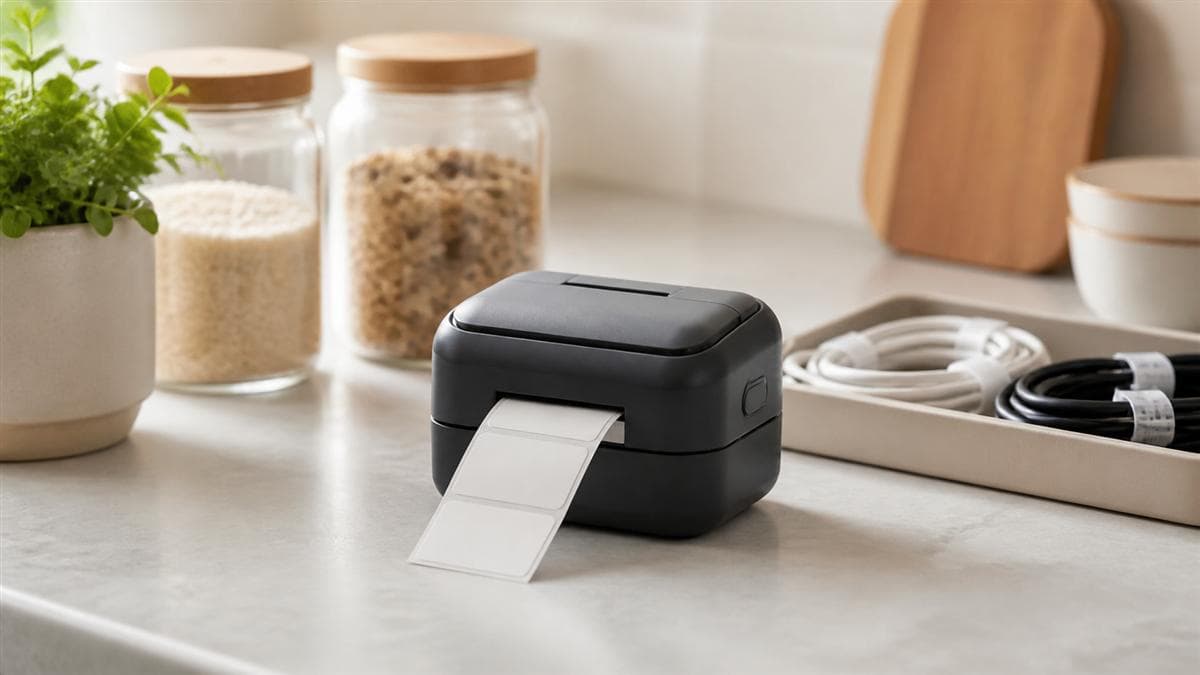
Niimbot Portable Label Printer Review: Is It Actually Worth Using for Everyday Organizing?
A practical look at Niimbot's pocket-sized Bluetooth label printers — what they're genuinely good at, where they fall short, and who should skip them.

Published: August 11, 2026
Xbows Mechanical Keyboards Long-Term: What Actually Holds Up After Regular Daily Use
Ergonomic mechanical keyboards get a lot of hype at unboxing. Here's what tends to matter — and what tends to wear — once one becomes your daily driver.
Published: August 11, 2026
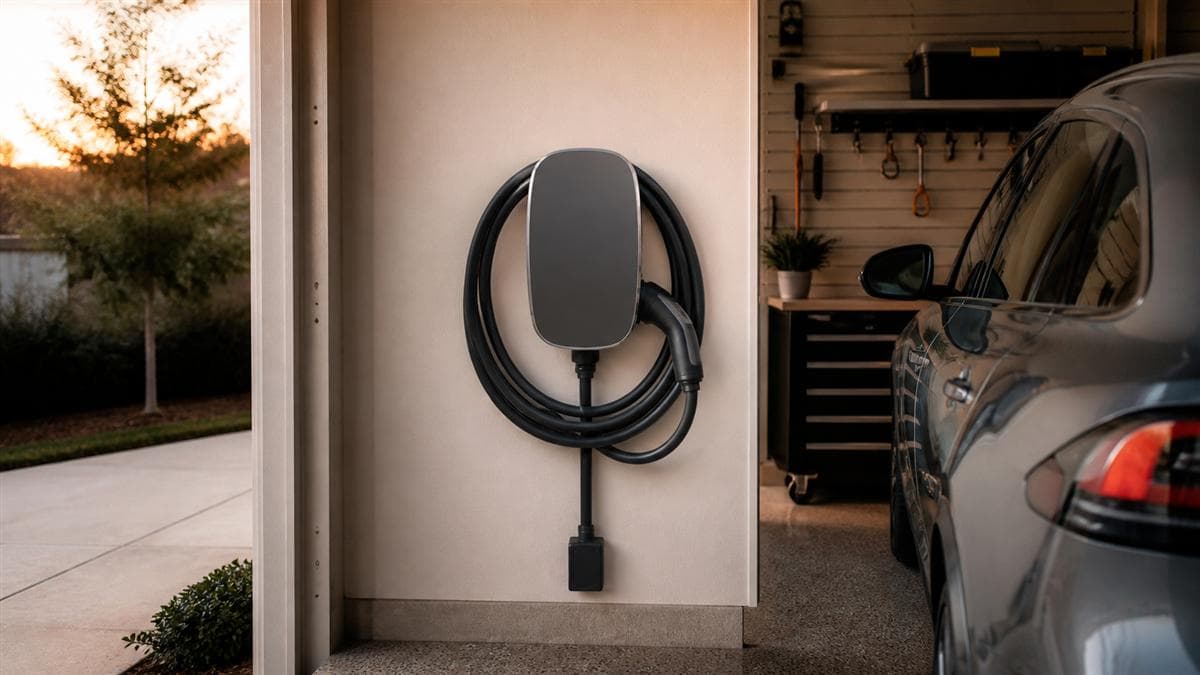
Juice Technology AG EV Chargers Compared: Which Model Actually Fits Your Setup
Juice Technology AG makes several home and portable EV charging options. Here's how the general categories differ so you pick the right one, not the flashiest one.