
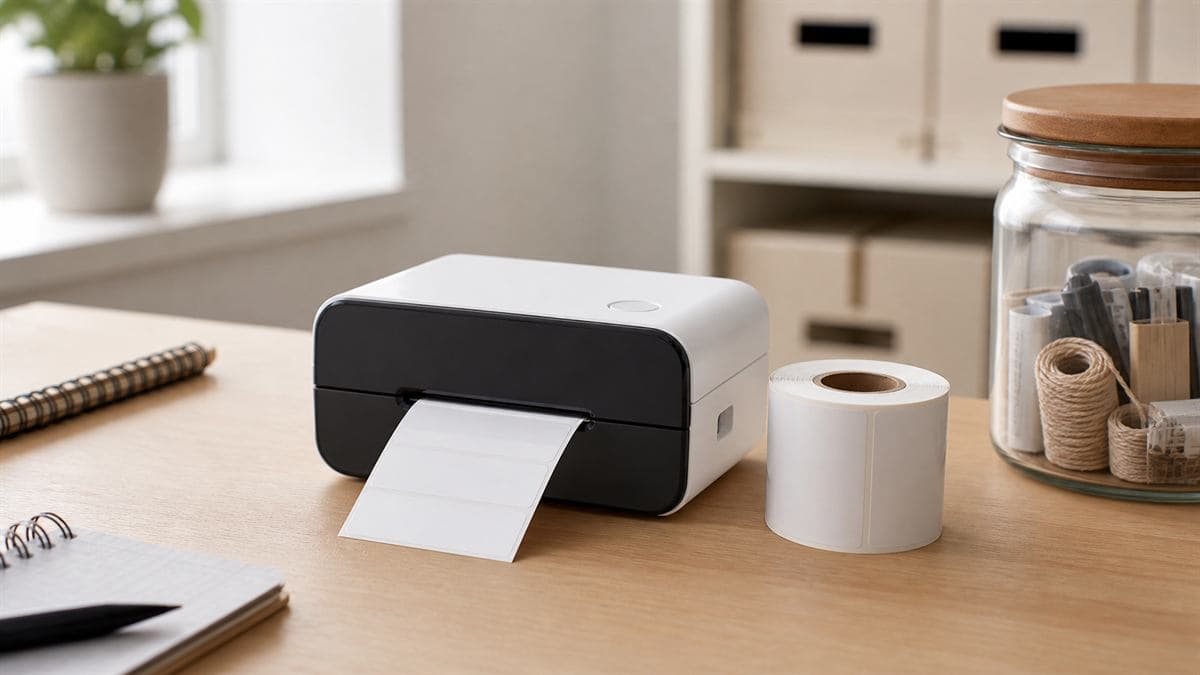
Portable thermal label printers have become popular fast, and with that popularity comes a handful of misconceptions repeated often enough that they start to sound like established fact. Understanding how thermal printing actually works clears most of these up and helps set realistic expectations before buying one.
Myth: thermal printers use ink, just a different kind
Direct thermal printing — the technology most small portable label printers use — doesn't use ink at all. It uses heat-sensitive paper that darkens when a print head applies heat in specific patterns, similar to how a receipt printer works. There's no ink cartridge, no ribbon, and nothing to refill for printing itself, which is exactly why these printers can be so compact — there's simply less hardware needed compared to an inkjet or laser printer.
Myth: thermal prints last just as long as ink prints
This one has real nuance. Direct thermal prints are more sensitive to heat and prolonged UV exposure than typical ink prints — a label left in direct sunlight or a hot car for an extended period can fade meaningfully faster than an inkjet-printed label would. For most household uses (a labeled spice jar in a cabinet, a cable label in a drawer), this isn't a practical issue since those spots don't see much heat or light exposure. But for anything long-term stored somewhere sunny or hot, it's a real consideration, and it's the main durability tradeoff versus other label-printing methods.
Myth: all thermal label rolls are interchangeable between brands
While many thermal label printers use similar general roll formats, actual compatibility varies by specific model — width, core size, and sometimes even the paper's heat-sensitivity calibration can differ enough that a roll marketed as "universal" doesn't work perfectly with every printer. Checking specific compatibility for your exact model before buying third-party rolls avoids print quality issues or rolls that don't fit properly.
Myth: thermal printers are only good for simple text labels
Modern thermal label printer apps generally support icons, simple graphics, barcodes, and QR codes alongside text, not just plain lettering. Print resolution on many of these small printers is genuinely good enough for clean barcode and QR code output, which is part of why they've become popular for small-business inventory and shipping labels, not just home organizing.
Myth: a bigger, more expensive printer always means better print quality
- Print quality on small thermal printers is largely determined by print head resolution (often measured in DPI) rather than overall printer size or price alone
- Some mid-priced models offer comparable resolution to pricier ones — the price difference is often more about connectivity features, battery life, or build materials than raw print quality
- Checking a specific model's DPI spec is a more reliable way to judge expected print sharpness than assuming price correlates directly with output quality
Myth: thermal label rolls are prohibitively expensive to keep buying
Roll pricing varies a lot, but for typical home or light small-business use, ongoing roll costs are generally modest compared to ink or toner costs for traditional printers — there's no ink to run dry mid-batch, and rolls tend to print a large number of labels before needing replacement. It's still worth checking per-roll pricing for your specific label size before buying, since costs do add up faster for larger commercial labeling needs than for occasional home use.
Myth: thermal printers require special software to use effectively
Most consumer thermal label printers pair with a straightforward companion app rather than requiring separate specialized software, and the learning curve for basic use (typing text, adding a simple icon, printing) is genuinely minimal for most users. Some more advanced features — custom template design, bulk printing from a spreadsheet for business use — do involve a steeper learning curve, but this is optional complexity for more demanding use cases, not a requirement for basic home organizing use.
Myth: a printer that works with your phone won't work for a small business
Many of the same compact thermal printers marketed for home organizing are genuinely capable of handling light small-business use — shipping labels, simple inventory labels, barcode printing — without needing a separate, more industrial-grade printer. The distinction that actually matters for business use isn't necessarily printer category, but print volume: a printer built for occasional home use may not hold up well under sustained, high-volume daily business printing, even if it's technically capable of producing business-relevant label types.
Myth: any smartphone works equally well with any thermal printer app
Companion apps for thermal label printers vary in how well they're optimized for different phone operating systems and screen sizes, and checking recent app reviews specifically for compatibility issues with your particular phone model, rather than assuming universal compatibility, avoids a frustrating mismatch between an otherwise capable printer and an app that doesn't work smoothly on your specific device.
Myth: thermal printers can't handle color
Standard direct thermal printing is monochrome by nature, though some newer thermal transfer technologies can produce limited color output at a higher cost — checking specifically which printing technology a given product actually uses clarifies real color capability rather than assuming all "thermal" printers behave identically.
If you're ready to buy, Niimbot is worth checking — they currently have 15% off live right now.
If you're ready to buy, Niimbot is worth checking — they currently have 15% off live right now.
If you're ready to buy, Niimbot is worth checking — they currently have 15% off live right now.
If you're ready to buy, Niimbot is worth checking — they currently have 15% off live right now.
If you're ready to buy, Niimbot is worth checking — they currently have 15% off live right now.
If you're ready to buy, Niimbot is worth checking — they currently have 15% off live right now.
If you're ready to buy, Niimbot is worth checking — they currently have 15% off live right now.
If you're ready to buy, Niimbot is worth checking — they currently have 15% off live right now.
If you're ready to buy, Niimbot is worth checking — they currently have 15% off live right now.
If you're ready to buy, Niimbot is worth checking — they currently have 15% off live right now.
If you're ready to buy, Niimbot is worth checking — they currently have 15% off live right now.
If you're ready to buy, Niimbot is worth checking — they currently have 15% off live right now.
If you're ready to buy, Niimbot is worth checking — they currently have 15% off live right now.
If you're ready to buy, Niimbot is worth checking — they currently have 15% off live right now.
If you're ready to buy, Niimbot is worth checking — they currently have 15% off live right now.
If you're ready to buy, Niimbot is worth checking — they currently have 15% off live right now.
Get 15% OFF at Niimbot
This article contains an affiliate link. If you buy through it, 5listed may earn a commission at no extra cost to you — see our review policy.
Conclusion
Thermal label printers work differently from ink-based printing in ways that explain most of the myths around them — no ink because there's no ink involved, some fading risk in heat/sun because of how heat-sensitive paper works, and genuine capability for more than plain text. Understanding the actual mechanism behind the technology, rather than assumptions carried over from regular printers, sets realistic expectations before buying one.
Keep reading
Related Articles
Published: August 11, 2026
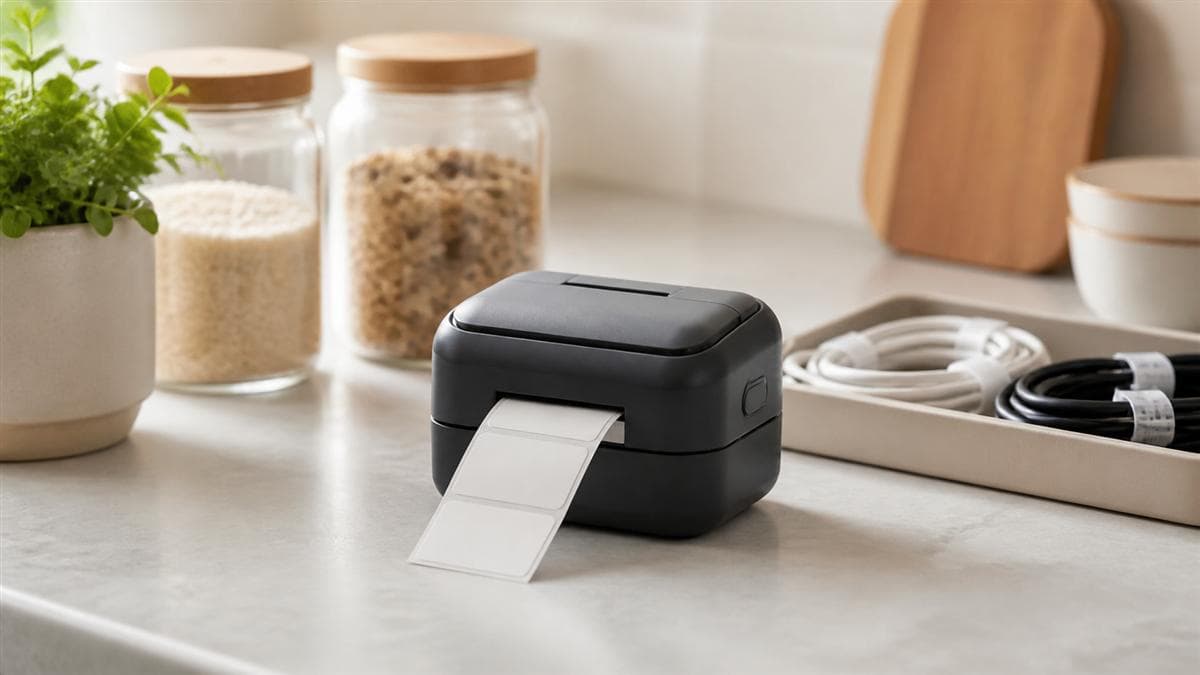
Niimbot Portable Label Printer Review: Is It Actually Worth Using for Everyday Organizing?
A practical look at Niimbot's pocket-sized Bluetooth label printers — what they're genuinely good at, where they fall short, and who should skip them.
Published: August 11, 2026
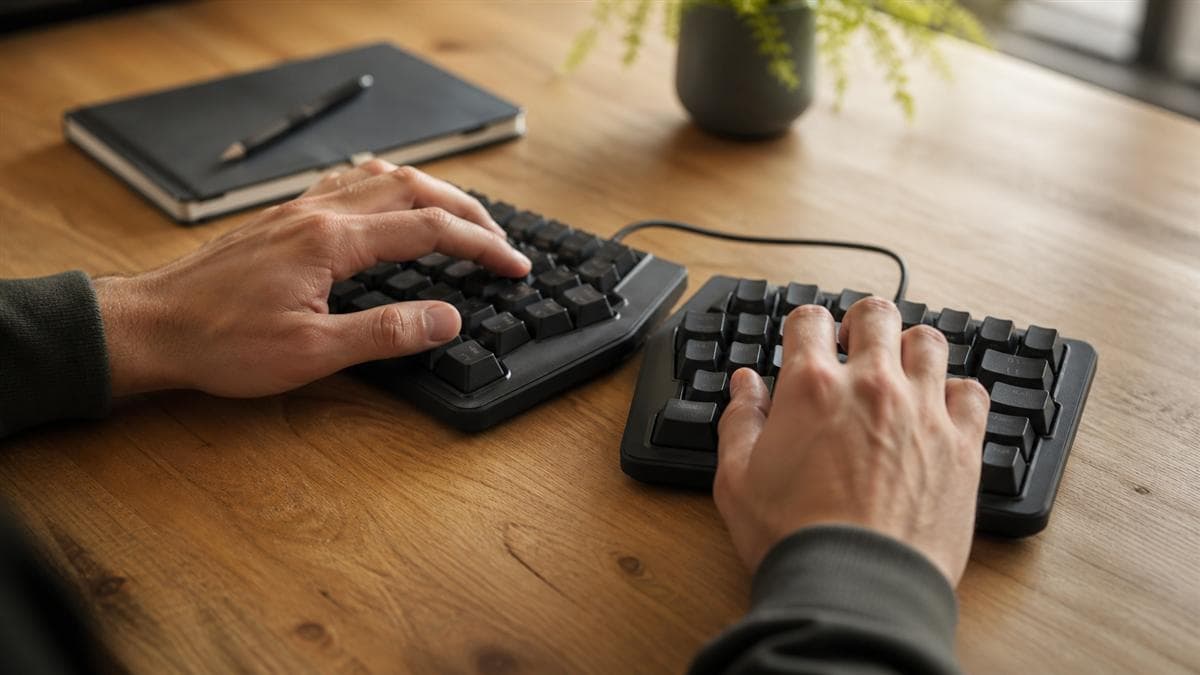
Xbows Mechanical Keyboards Long-Term: What Actually Holds Up After Regular Daily Use
Ergonomic mechanical keyboards get a lot of hype at unboxing. Here's what tends to matter — and what tends to wear — once one becomes your daily driver.
Published: August 11, 2026
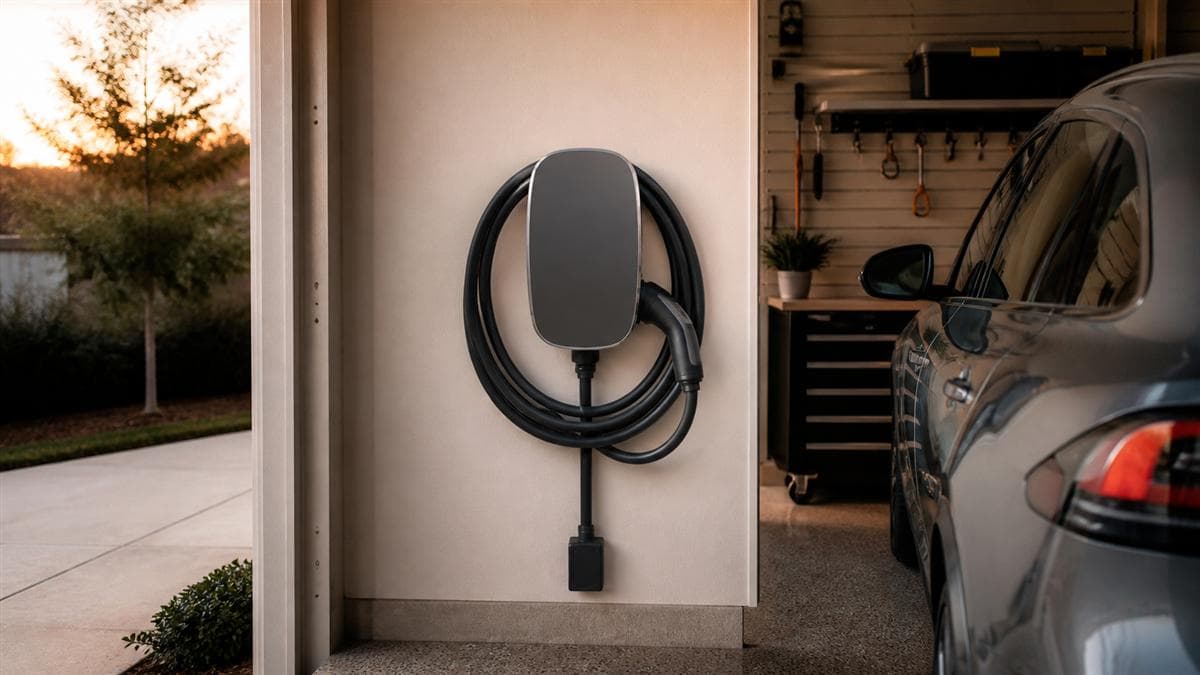
Juice Technology AG EV Chargers Compared: Which Model Actually Fits Your Setup
Juice Technology AG makes several home and portable EV charging options. Here's how the general categories differ so you pick the right one, not the flashiest one.