
Which Power Bank Features Actually Matter for Your Type of Travel
Power bank shopping often defaults to "more capacity is better," but the right power bank actually depends heavily on how you travel — trip length, access to outlets, airline restrictions, and how many devices need charging all shape what actually matters for your specific situation more than raw capacity alone.
For the weekend city-trip traveler
Short trips with regular access to hotel outlets and charging opportunities throughout the day don't need a massive-capacity power bank — a compact, moderate-capacity model that can top off a phone once or twice between charging opportunities is usually plenty, and prioritizing small size and light weight over maximum capacity makes more sense for this travel style, since a bulkier high-capacity unit adds unnecessary weight and space for a trip pattern that doesn't actually need it.
For the frequent business flyer
Regular air travel introduces a real constraint: airline and TSA regulations cap power bank capacity that can be carried (typically expressed in watt-hours, with most airlines capping around 100Wh without special approval). Checking a power bank's actual watt-hour rating against current airline rules before buying matters more for this traveler than almost anyone else, since a power bank that seems like a reasonable choice can actually be restricted or require special handling on flights. Fast-charging support also matters more here, given how often this traveler needs quick top-ups between meetings and flights rather than long, unhurried charging sessions.
For the outdoor adventure traveler
Multi-day trips without reliable outlet access — backpacking, camping, extended outdoor trips — genuinely benefit from higher capacity, since there's no opportunity to recharge the power bank itself between uses. Durability features (water resistance, rugged casing) also matter meaningfully more here than for a city traveler who's mostly using a power bank indoors or in a bag. Solar-charging capable options are worth considering specifically for this traveler type, where extended time away from any outlet access is the norm rather than the exception.
For the traveler charging multiple devices
Anyone regularly charging more than just a phone — a tablet, a laptop, a camera — needs to check both total capacity and, importantly, output specifications (wattage per port, total simultaneous output) since charging multiple devices, especially anything beyond a phone, draws down capacity much faster than phone-only charging and requires higher wattage output than a basic phone-focused power bank typically provides.
A quick matching guide
- Weekend city trips with regular outlet access: compact, moderate capacity, prioritize small size over maximum power
- Frequent business flying: check watt-hour rating against current airline limits, prioritize fast-charging support
- Multi-day outdoor trips without outlet access: higher capacity, durability features, consider solar-charging capability
- Charging multiple or larger devices (laptop, tablet): check output wattage specs carefully, not just total capacity
Why "buy the highest capacity available" is often the wrong default
Higher capacity generally means more size and weight, and for a lot of travel patterns (short trips, regular outlet access, phone-only charging needs), that extra capacity goes largely unused while adding real bulk to a travel bag. Matching capacity to actual, realistic trip patterns rather than defaulting to the largest available option leads to a power bank that's genuinely convenient to carry, not just theoretically capable.
How international travel adds an additional layer of consideration
International travelers should check plug/voltage compatibility for charging the power bank itself in different countries, separate from the airline capacity restrictions already discussed — a power bank that charges fine domestically may need an additional adapter internationally, and confirming this before a trip avoids arriving somewhere with no way to actually recharge the device once its own stored capacity runs out.
Balancing power bank capacity against overall luggage weight limits
For travelers already managing tight luggage weight limits, a power bank's own weight is worth factoring into the broader capacity-versus-portability tradeoff discussed throughout this piece — the highest-capacity option isn't automatically the right choice if its added weight meaningfully eats into an already tight luggage allowance, especially for travelers already carrying other weighty electronics like a laptop or camera equipment.
How to check current airline-specific policies before a trip
Airline power bank policies can change and vary even beyond the general watt-hour guidelines discussed earlier — checking the specific airline's current policy shortly before a trip, rather than relying on general knowledge that may be outdated, avoids an unpleasant surprise at airport security.
A final consideration: cable compatibility across your devices
Confirming a power bank's included or supported cable types actually match your specific devices — some newer power banks favor one connector type over others — avoids the inconvenience of an otherwise well-matched unit that requires carrying an additional adapter just to use it with your existing devices.
A closing note on labeling for shared household use
In a household with multiple power banks for different traveler types, a simple label indicating each unit's capacity and intended use prevents grabbing the wrong one — a compact city-trip unit on a day it's really needed for an outdoor excursion.
A last practical reminder on firmware updates
For power banks with companion apps or smart features, checking for and applying any available firmware update after purchase can resolve minor charging inefficiencies that shipped with the original firmware version, a small step worth doing once before relying on the device for a trip.
If you're ready to buy, Lokithor is worth checking — they currently have 15% off live right now.
If you're ready to buy, Lokithor is worth checking — they currently have 15% off live right now.
If you're ready to buy, Lokithor is worth checking — they currently have 15% off live right now.
If you're ready to buy, Lokithor is worth checking — they currently have 15% off live right now.
If you're ready to buy, Lokithor is worth checking — they currently have 15% off live right now.
If you're ready to buy, Lokithor is worth checking — they currently have 15% off live right now.
If you're ready to buy, Lokithor is worth checking — they currently have 15% off live right now.
If you're ready to buy, Lokithor is worth checking — they currently have 15% off live right now.
If you're ready to buy, Lokithor is worth checking — they currently have 15% off live right now.
If you're ready to buy, Lokithor is worth checking — they currently have 15% off live right now.
If you're ready to buy, Lokithor is worth checking — they currently have 15% off live right now.
If you're ready to buy, Lokithor is worth checking — they currently have 15% off live right now.
If you're ready to buy, Lokithor is worth checking — they currently have 15% off live right now.
If you're ready to buy, Lokithor is worth checking — they currently have 15% off live right now.
If you're ready to buy, Lokithor is worth checking — they currently have 15% off live right now.
If you're ready to buy, Lokithor is worth checking — they currently have 15% off live right now.
Get 15% OFF at Lokithor
This article contains an affiliate link. If you buy through it, 5listed may earn a commission at no extra cost to you — see our review policy.
Conclusion
The right power bank depends on how you actually travel — trip length, outlet access, airline restrictions, and how many devices need charging all matter more than defaulting to maximum available capacity. Matching these real travel patterns to capacity, size, and output specs leads to a power bank that's genuinely useful for your specific trips, not just impressive on a spec sheet.
Keep reading
Related Articles
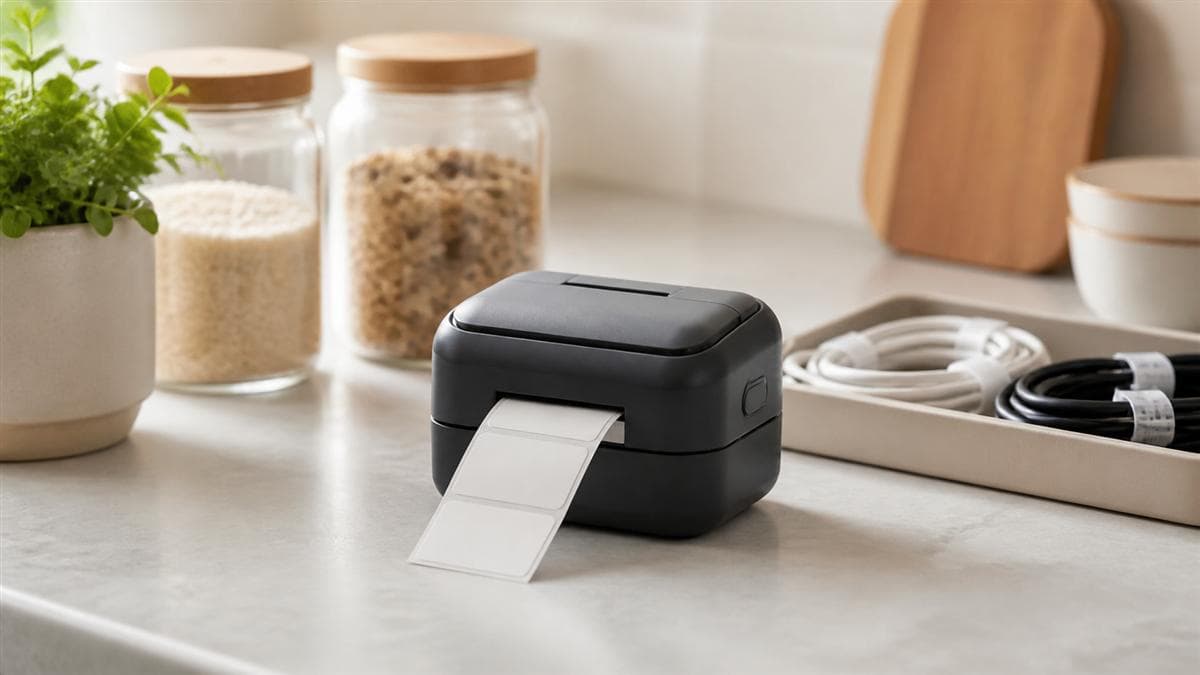
Published: August 11, 2026
Niimbot Portable Label Printer Review: Is It Actually Worth Using for Everyday Organizing?
A practical look at Niimbot's pocket-sized Bluetooth label printers — what they're genuinely good at, where they fall short, and who should skip them.
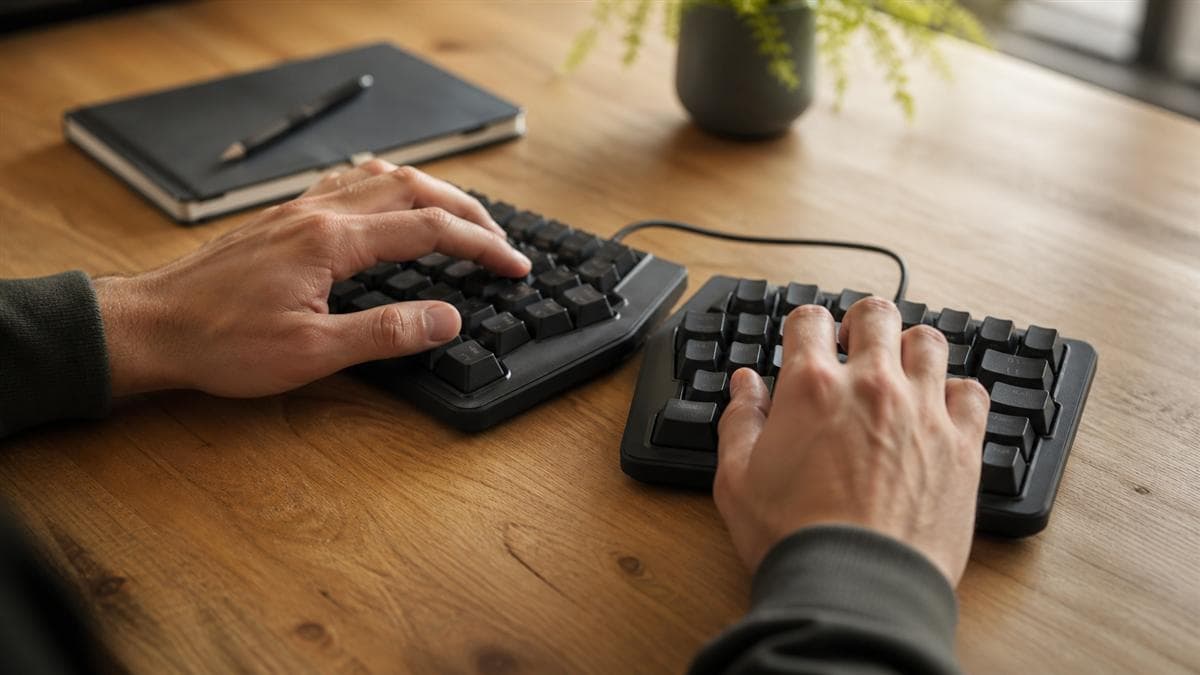
Published: August 11, 2026
Xbows Mechanical Keyboards Long-Term: What Actually Holds Up After Regular Daily Use
Ergonomic mechanical keyboards get a lot of hype at unboxing. Here's what tends to matter — and what tends to wear — once one becomes your daily driver.
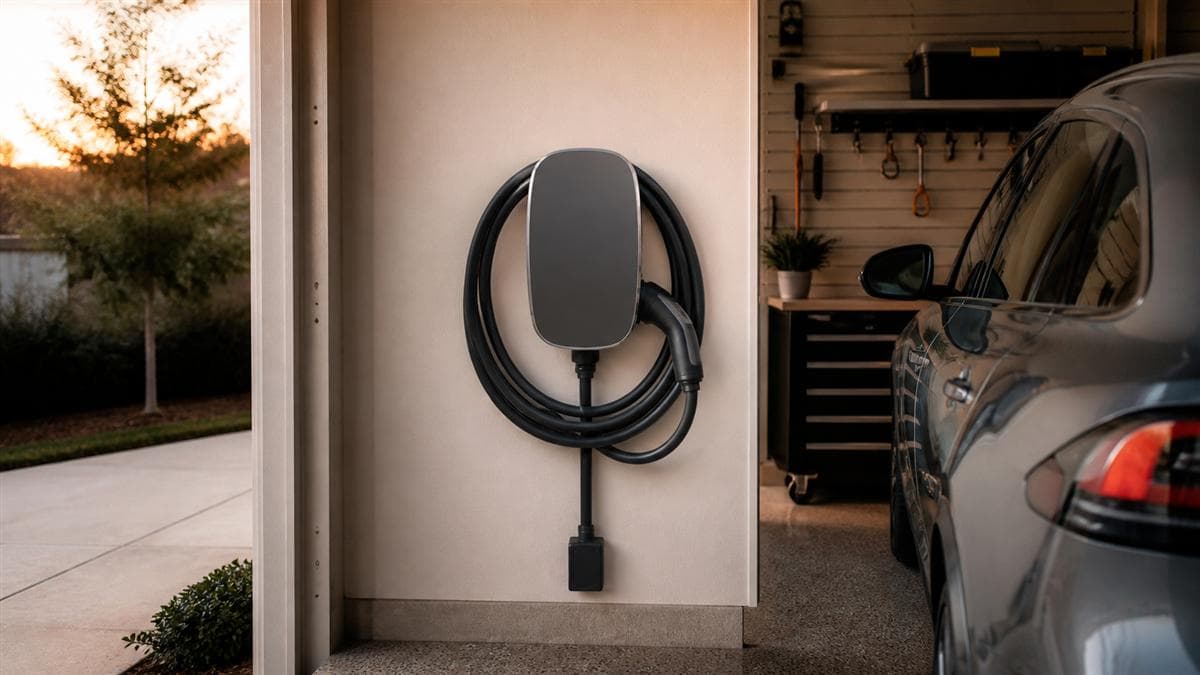
Published: August 11, 2026
Juice Technology AG EV Chargers Compared: Which Model Actually Fits Your Setup
Juice Technology AG makes several home and portable EV charging options. Here's how the general categories differ so you pick the right one, not the flashiest one.