
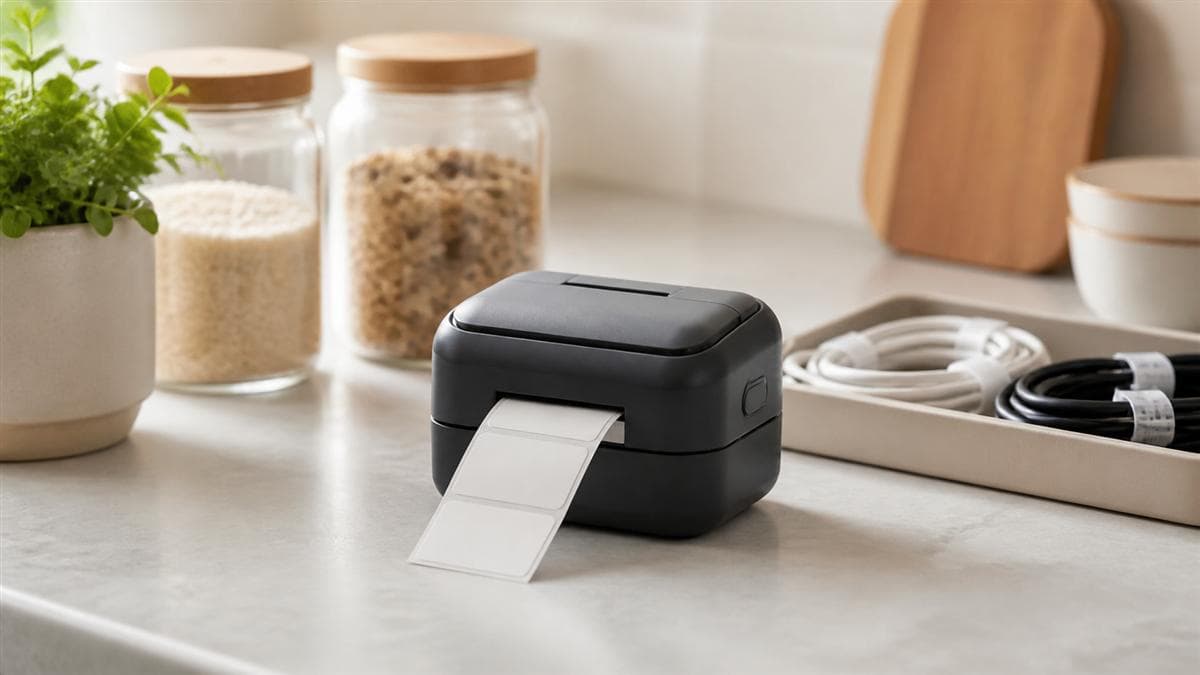
If you've spent any time on organizing content lately, you've probably seen a small handheld printer spitting out neat labels for pantry jars, cable bundles, or storage bins. That's almost certainly a Niimbot. The brand makes a line of pocket-sized, battery-powered label printers that connect to a phone app over Bluetooth — no computer, no ink cartridge, just thermal paper and a design you build on your screen. The short version: for the specific job of quick, repeatable labeling, it does what it promises. Whether that's worth owning depends heavily on how often you actually label things, and on whether your labeling needs are simple text or something more visual.
What it's like to use day to day
Setup is genuinely simple — pair the printer over Bluetooth, load a roll of thermal label paper, and open the companion app. From there you pick a label size, type your text, optionally add an icon or a simple border, and print. There's no drying time and no ink to run out, since it uses direct thermal printing (the same tech as most receipt printers). The tradeoff is that thermal prints are monochrome and can fade if left in direct sunlight for a long time — fine for a spice jar in a cabinet, less fine for something that lives on a sunny windowsill for years or a garage shelf that gets direct light most of the day.
The physical printer itself is small enough to keep in a kitchen drawer or a home-office shelf without it feeling like dedicated equipment, which matters more than it sounds — a printer that's annoying to dig out tends to get used a lot less than one sitting in easy reach. Battery life is generally enough for a full labeling session (a pantry overhaul, a box of cables, a batch of jars) without needing a mid-project charge, though heavy back-to-back printing across multiple sessions in one day will eventually need a top-up.
Print quality and reliability
Text comes out crisp and easy to read at normal label sizes, and simple icons/QR codes print cleanly too. Where it gets more mixed is with the app itself — like a lot of companion apps for small hardware brands, the template library can feel cluttered, and some users find the free templates push toward paid ones more than they'd like. None of that affects the actual print quality, but it does affect how pleasant the labeling session feels, especially if you're doing a big batch and want to move through templates quickly rather than getting stuck browsing options.
Connection reliability over Bluetooth is generally solid for the kind of short-range, same-room use this device is built for — you're not trying to print from across the house, just from your phone to a printer sitting next to you. Occasional reconnect hiccups happen with most Bluetooth peripherals, and Niimbot's printers aren't an exception, but they tend to be a quick fix (toggle Bluetooth, reopen the app) rather than a recurring headache.
Ongoing cost — the part people forget to check
The printer itself is a one-time purchase, but you'll keep buying label rolls, and pricing varies a lot depending on size, whether it's the brand's own rolls or third-party compatible ones, and where you buy. Before committing, it's worth checking a few roll sizes you'd actually use (small jar labels vs. larger box labels) and confirming the ongoing cost fits how much labeling you realistically plan to do — a printer that's cheap upfront but expensive per roll can cost more over a year than a slightly pricier one with cheaper consumables.
It's also worth thinking about roll availability longer-term. A device that only works well with hard-to-find proprietary rolls becomes a lot less convenient a year or two in if you can't easily restock. Checking whether compatible third-party rolls exist for your specific model, and whether they're genuinely compatible rather than just "similar size," is a smart step before relying on the printer for anything ongoing like a small business's shipping labels.
Who this is actually good for
- People doing a big organizing project (pantry, garage, craft supplies) who want a batch of consistent labels fast
- Small resellers or home-business owners labeling shipped items or inventory bins
- Anyone who's tired of handwritten labels peeling off or looking messy
- Parents labeling kids' school supplies, lunch containers, or shared-space storage bins where consistency across many items matters
If you only label something a handful of times a year, a cheap manual label maker or even a printed sticker sheet from a regular printer will probably cover it — the Niimbot's advantage is speed and consistency at volume, not being the only way to make a label. The device earns its keep on repeated use, not a single one-off project.
A few practical tips if you do get one
Start a session by deciding on a consistent label style (font size, whether you use icons) before you print a large batch — going back and reprinting because the first ten labels look different from the rest wastes both time and label roll. It also helps to keep a spare roll on hand once you know your usual size, since running out mid-project is a common small frustration with any label printer, not just this brand.
If you're ready to buy, Niimbot is worth checking — they currently have 15% off live right now.
If you're ready to buy, Niimbot is worth checking — they currently have 15% off live right now.
If you're ready to buy, Niimbot is worth checking — they currently have 15% off live right now.
If you're ready to buy, Niimbot is worth checking — they currently have 15% off live right now.
If you're ready to buy, Niimbot is worth checking — they currently have 15% off live right now.
If you're ready to buy, Niimbot is worth checking — they currently have 15% off live right now.
If you're ready to buy, Niimbot is worth checking — they currently have 15% off live right now.
If you're ready to buy, Niimbot is worth checking — they currently have 15% off live right now.
If you're ready to buy, Niimbot is worth checking — they currently have 15% off live right now.
If you're ready to buy, Niimbot is worth checking — they currently have 15% off live right now.
If you're ready to buy, Niimbot is worth checking — they currently have 15% off live right now.
If you're ready to buy, Niimbot is worth checking — they currently have 15% off live right now.
If you're ready to buy, Niimbot is worth checking — they currently have 15% off live right now.
If you're ready to buy, Niimbot is worth checking — they currently have 15% off live right now.
If you're ready to buy, Niimbot is worth checking — they currently have 15% off live right now.
If you're ready to buy, Niimbot is worth checking — they currently have 15% off live right now.
Get 15% OFF at Niimbot
This article contains an affiliate link. If you buy through it, 5listed may earn a commission at no extra cost to you — see our review policy.
Conclusion
Niimbot's portable printers deliver on the core promise: fast, clean, no-ink labeling from your phone. The print quality holds up, the learning curve is short, and for anyone doing regular organizing or small-business labeling, it earns its place on a shelf. Just go in with eyes open about the app's template library and the recurring cost of label rolls — check those against how often you'll actually use it before deciding it's the right tool for you.
Keep reading
Related Articles
Published: August 11, 2026
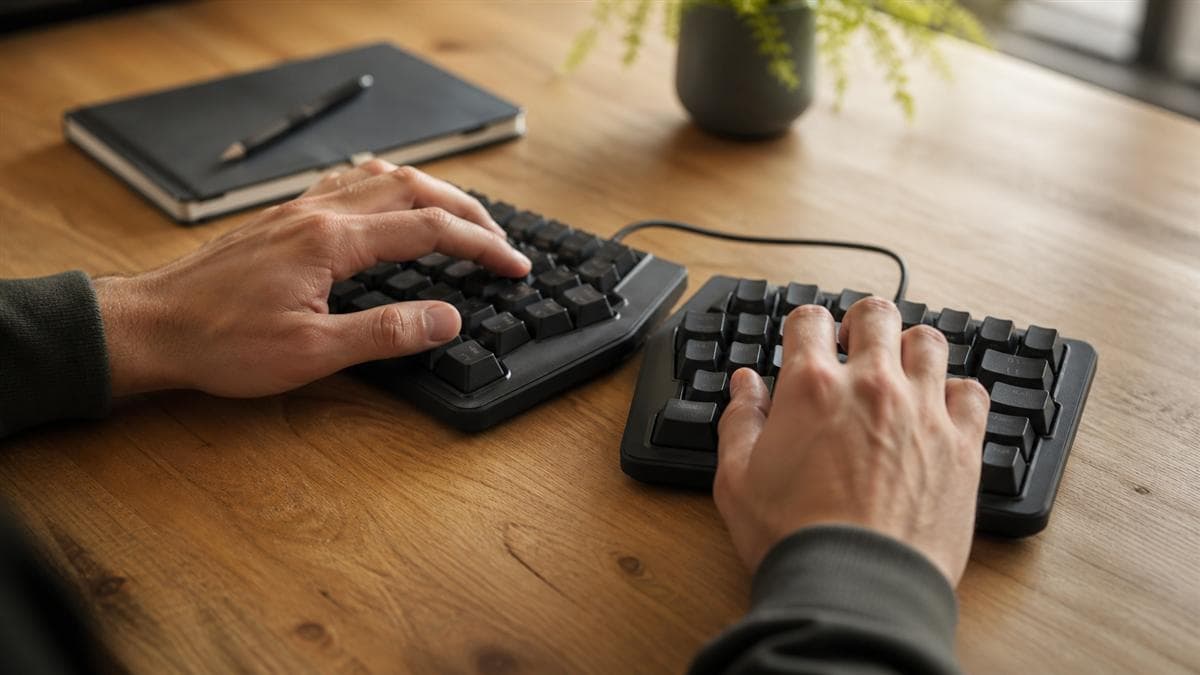
Xbows Mechanical Keyboards Long-Term: What Actually Holds Up After Regular Daily Use
Ergonomic mechanical keyboards get a lot of hype at unboxing. Here's what tends to matter — and what tends to wear — once one becomes your daily driver.
Published: August 11, 2026
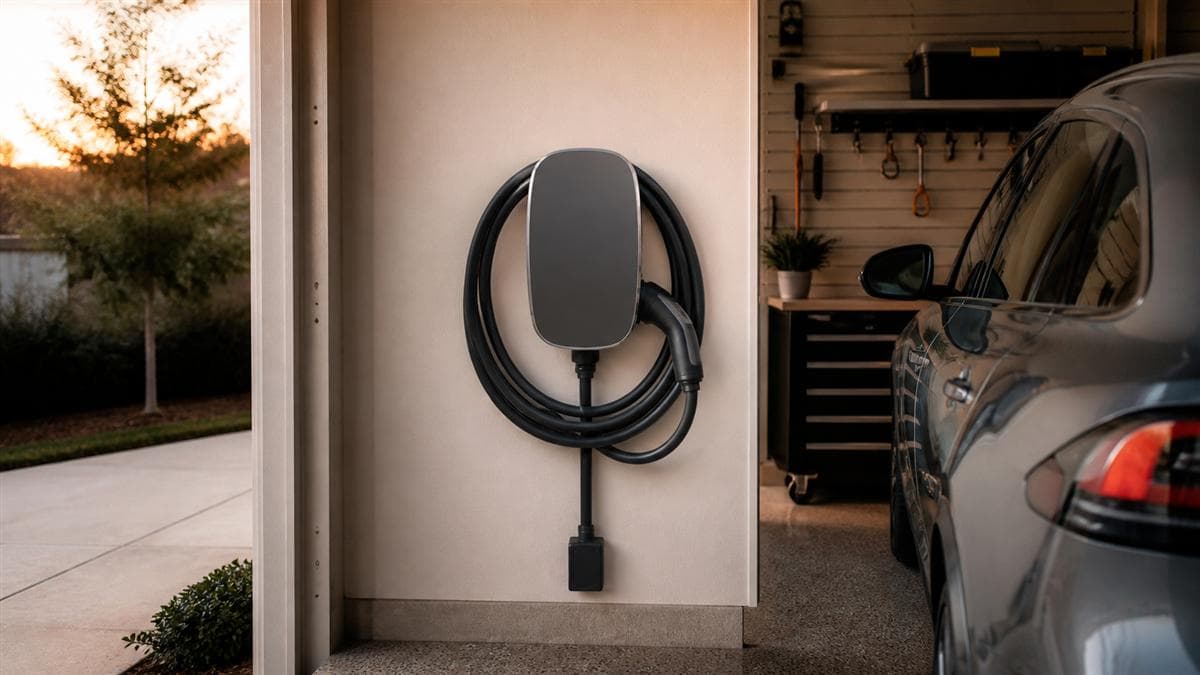
Juice Technology AG EV Chargers Compared: Which Model Actually Fits Your Setup
Juice Technology AG makes several home and portable EV charging options. Here's how the general categories differ so you pick the right one, not the flashiest one.
Published: August 11, 2026
Big Wellness & Supplement Sale Days Worth Circling on Your Calendar
A practical rundown of the recurring sale windows where wellness and supplement brands tend to offer their best pricing of the year.