
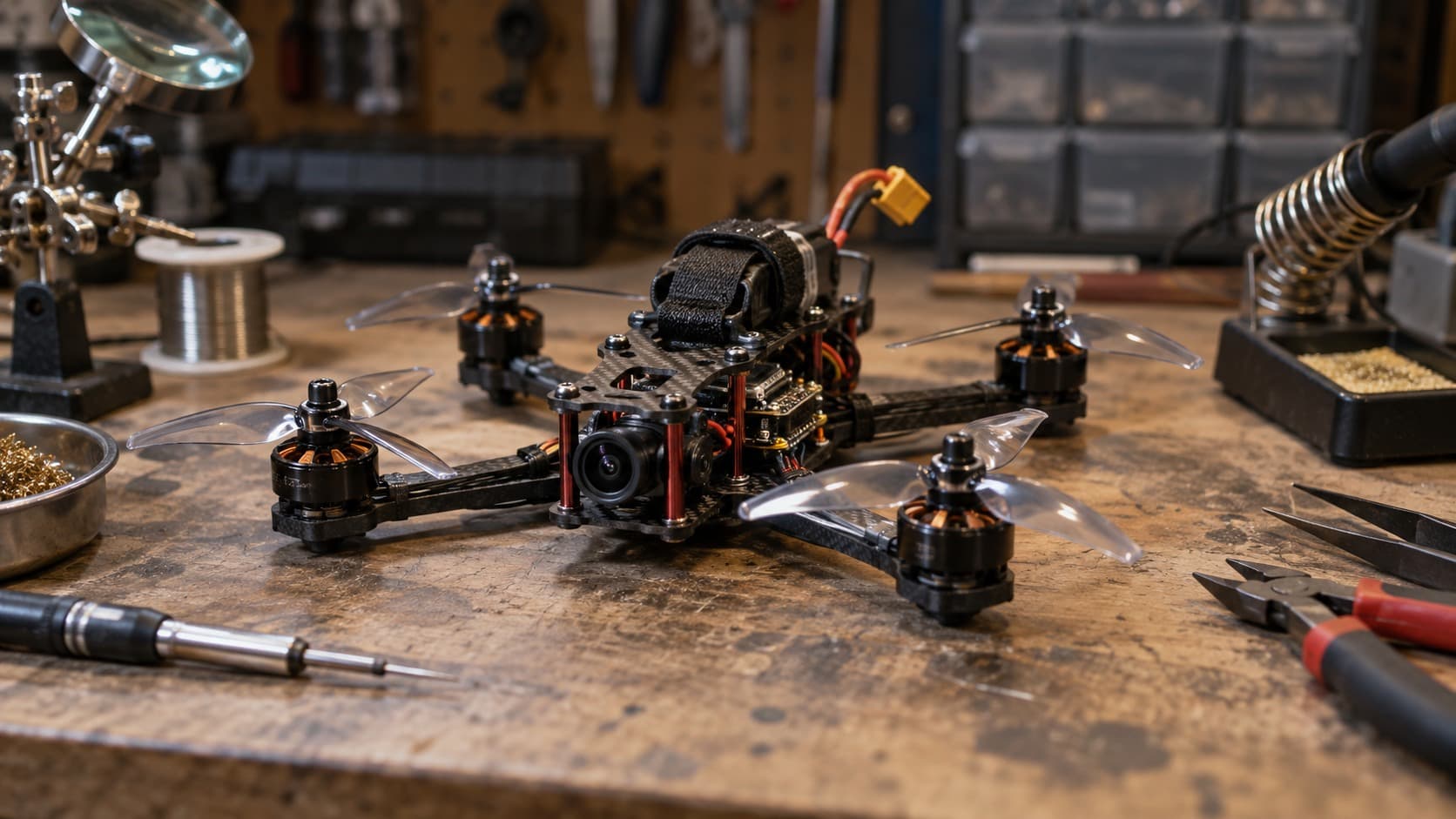
FPV (first-person-view) drone building is a hobbyist niche built almost entirely around individual components rather than complete pre-built products — pilots select their own flight controller, video transmitter, camera, and frame to match their flying style. Chosfox sells specifically into that component market rather than offering ready-to-fly consumer drones.
A component-level catalog, not a ready-to-fly product
The catalog is built around individual FPV building blocks — flight controllers (FCs), video transmitters (VTX), FPV cameras, and frames — rather than a single assembled drone. This component-first structure matches how the FPV hobbyist community actually builds: pilots typically mix and match parts from multiple brands rather than buying one manufacturer's complete kit, so a component specialist needs individual parts to be genuinely compatible with the broader ecosystem's standards.
A market that rewards specific, checkable specs over marketing language
FPV components are judged by hobbyists on precise technical specs — VTX output power in milliwatts, flight controller processor and gyro chip models, camera sensor resolution and field of view — rather than vague marketing claims. Buyers in this niche typically cross-reference exact spec sheets against known-good builds shared in FPV community forums before purchasing, so the value of any FPV component brand rests heavily on whether its stated specs hold up under that kind of scrutiny.
A hobbyist and racing/freestyle audience specifically
FPV building serves two overlapping hobbyist audiences: drone racing (built for speed and agility around a course) and freestyle flying (built for acrobatic maneuvers). Component choices — frame weight, motor KV rating, flight controller firmware support — differ meaningfully between these two use cases, so a buyer should be clear on which style of flying they're building for before selecting parts.
A niche with real technical barrier to entry
Unlike most consumer electronics, FPV drone building requires the buyer to already understand soldering, firmware flashing (typically Betaflight or similar open-source flight controller software), and RF fundamentals to successfully assemble a working aircraft from individual components. This is a meaningfully different buying experience from a plug-and-play consumer drone, and worth being clear-eyed about before ordering component-level parts.
Who this actually fits
- Existing FPV hobbyists building or upgrading a racing or freestyle quad from individual components
- Buyers comfortable with soldering and flight-controller firmware setup (e.g., Betaflight)
- Pilots wanting to mix components from multiple brands rather than a single complete kit
- Not a fit for buyers wanting a ready-to-fly consumer drone with no assembly required
Conclusion
Chosfox's real differentiator is selling specifically into the component-level FPV hobbyist market — flight controllers, VTX, cameras, and frames meant to be mixed with parts from other brands — rather than a plug-and-play consumer drone. Buyers should cross-check the specific technical specs (VTX power, FC chipset, camera sensor) against their existing build before ordering, since this market rewards precise spec-matching over general marketing claims.
If you're ready to buy, Chosfox is worth checking — they currently have 5% off live right now.
If you're ready to buy, Chosfox is worth checking — they currently have 5% off live right now.
Get 5% OFF at Chosfox
This article contains an affiliate link. If you buy through it, 5listed may earn a commission at no extra cost to you — see our review policy.
Keep reading
Related Articles
Published: August 11, 2026
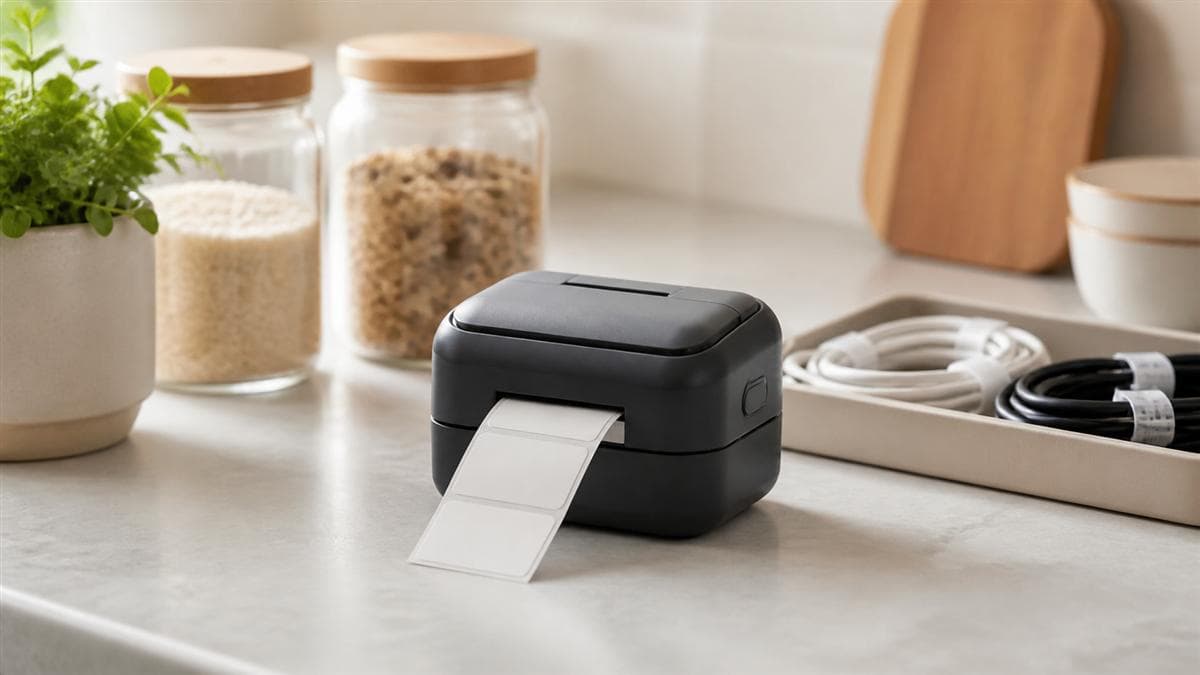
Niimbot Portable Label Printer Review: Is It Actually Worth Using for Everyday Organizing?
A practical look at Niimbot's pocket-sized Bluetooth label printers — what they're genuinely good at, where they fall short, and who should skip them.

Published: August 11, 2026
Xbows Mechanical Keyboards Long-Term: What Actually Holds Up After Regular Daily Use
Ergonomic mechanical keyboards get a lot of hype at unboxing. Here's what tends to matter — and what tends to wear — once one becomes your daily driver.
Published: August 11, 2026
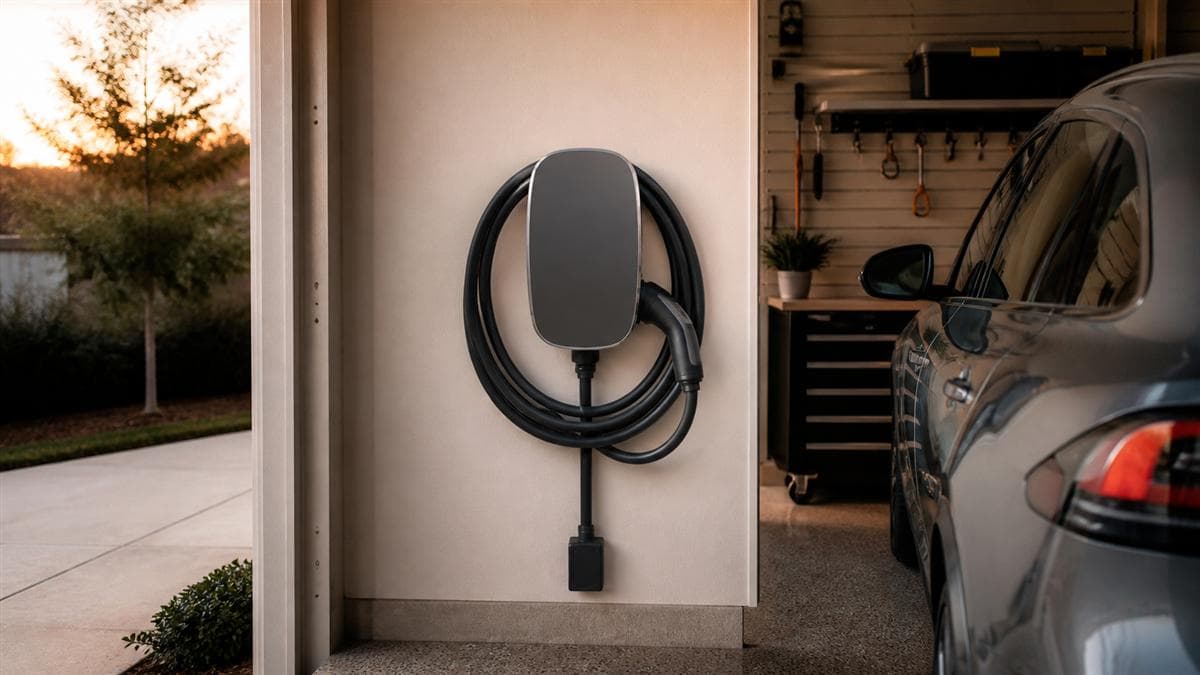
Juice Technology AG EV Chargers Compared: Which Model Actually Fits Your Setup
Juice Technology AG makes several home and portable EV charging options. Here's how the general categories differ so you pick the right one, not the flashiest one.