
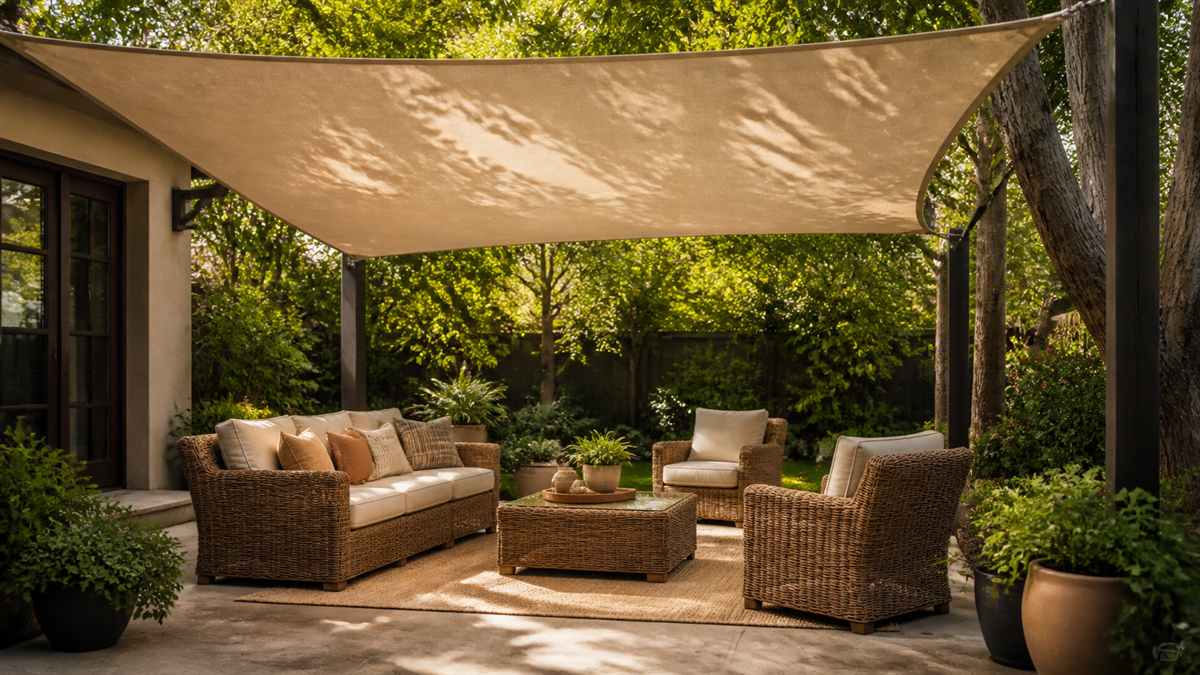
Outdoor shade decisions often get made based on assumptions that sound reasonable but don't quite hold up — about how much protection a given structure actually provides, or how shade materials compare to each other. Clearing up a few of the most common myths helps make better decisions about an outdoor space, especially since shade structures aren't a small purchase.
Myth: sitting in shade means you're not getting sun exposure
Shade blocks direct sunlight, but UV rays scatter off surrounding surfaces (concrete, water, light-colored walls) and reflect into shaded areas too — meaning meaningful UV exposure still happens even under a shade structure, just at a reduced level compared to direct sun. This is genuinely useful to know: sunscreen still matters for extended time in a shaded outdoor space, not just when sitting in direct sunlight.
Myth: any fabric umbrella blocks the same amount of UV
Fabric density, weave tightness, and specific UV-protective treatments vary a lot between products, and two umbrellas that look similar can offer meaningfully different UV protection levels. Some outdoor fabrics are specifically rated for UV protection (often listed as a UPF rating, similar to sun-protective clothing), while others are chosen mainly for water resistance or appearance without much thought to UV blocking specifically. Checking for an actual UV protection rating, rather than assuming "it's an umbrella, so it blocks sun," matters if sun protection is the primary goal.
Myth: a bigger shade structure is always better
Bigger isn't automatically better — a shade structure needs to actually align with the sun's path across your specific outdoor space and the times of day you use it, or extra size doesn't add meaningful protection. A smaller, well-positioned shade sail angled correctly for afternoon sun can outperform a larger umbrella that isn't oriented well for how the sun actually moves across a particular yard or patio.
Myth: shade structures don't need any seasonal maintenance
Fabric shade sails, umbrella canopies, and similar structures degrade with prolonged UV and weather exposure over time, the same way any outdoor fabric does — occasional cleaning and inspection for fraying or fading extends usable life meaningfully. Treating a shade structure as fully maintenance-free from installation onward is a common assumption that leads to premature replacement.
Myth: natural shade from trees is always better than a manufactured structure
- Trees do provide excellent shade, but they're not adjustable, take years to mature into meaningful coverage, and can drop debris, sap, or pollen onto furniture and surfaces below
- Manufactured shade structures offer more control over exact positioning and can be adjusted seasonally as the sun's angle changes throughout the year
- The best setups often combine both — using existing trees where they naturally provide shade and adding structures to cover the gaps a tree canopy doesn't reach
Myth: darker-colored shade fabric always blocks more UV than lighter colors
Color affects heat absorption more directly than UV blocking specifically — a darker fabric can feel warmer underneath even with similar UV protection to a lighter option, since the color relates more to how much visible light and heat the fabric absorbs versus reflects. UV protection depends more on the weave density and any specific UV treatment than on color alone, so color is more relevant to comfort (heat) than to sun protection itself.
Myth: a shade structure eliminates the need to think about time of day
Even a well-positioned shade structure doesn't provide equal protection at every hour — the sun's angle changes throughout the day, meaning a spot that's well-shaded at noon can see direct sun exposure in late afternoon as the angle shifts. Adjustable shade solutions (a repositionable umbrella, an adjustable sail) that can be tuned throughout the day provide more consistent protection than a fixed structure optimized for just one time of day, which is worth factoring in if outdoor time regularly spans several hours rather than a single fixed period.
Myth: shade quality doesn't matter once summer ends
Sun exposure remains a real factor in spring and fall, not just peak summer, even though it's easy to stop thinking about shade once temperatures cool down. UV intensity is driven more by sun angle and cloud cover than by air temperature alone, meaning a comfortable, mild spring or fall day can still involve meaningful UV exposure for anyone spending extended time outdoors. Treating shade and sun protection as a year-round consideration, not just a summer one, is a more accurate reflection of how UV exposure actually works.
Myth: sunglasses aren't part of "shade" and don't need the same attention
Eye protection is easy to treat as a separate category from broader sun protection planning, but genuine UV-blocking sunglasses matter just as much under a shade structure as in direct sun, given the same reflected-UV principle discussed earlier. Checking that sunglasses actually carry genuine UV protection, not just dark tinting (which can be worse than no sunglasses at all if it causes pupils to dilate without blocking UV), rounds out a genuinely complete outdoor sun protection approach.
Myth: once a shade structure is up, sun protection planning is done
Shade needs shift as landscaping matures — a young tree that provided little shade when a shade plan was first made can grow to provide much more coverage years later, meaning a sun protection plan is worth revisiting periodically rather than treated as a permanent, one-time setup.
If you're ready to buy, Sunseeker is worth checking — they currently have 5% off live right now.
If you're ready to buy, Sunseeker is worth checking — they currently have 5% off live right now.
If you're ready to buy, Sunseeker is worth checking — they currently have 5% off live right now.
If you're ready to buy, Sunseeker is worth checking — they currently have 5% off live right now.
If you're ready to buy, Sunseeker is worth checking — they currently have 5% off live right now.
If you're ready to buy, Sunseeker is worth checking — they currently have 5% off live right now.
If you're ready to buy, Sunseeker is worth checking — they currently have 5% off live right now.
If you're ready to buy, Sunseeker is worth checking — they currently have 5% off live right now.
If you're ready to buy, Sunseeker is worth checking — they currently have 5% off live right now.
If you're ready to buy, Sunseeker is worth checking — they currently have 5% off live right now.
If you're ready to buy, Sunseeker is worth checking — they currently have 5% off live right now.
If you're ready to buy, Sunseeker is worth checking — they currently have 5% off live right now.
If you're ready to buy, Sunseeker is worth checking — they currently have 5% off live right now.
If you're ready to buy, Sunseeker is worth checking — they currently have 5% off live right now.
If you're ready to buy, Sunseeker is worth checking — they currently have 5% off live right now.
If you're ready to buy, Sunseeker is worth checking — they currently have 5% off live right now.
Get 5% OFF at Sunseeker
This article contains an affiliate link. If you buy through it, 5listed may earn a commission at no extra cost to you — see our review policy.
Conclusion
Good outdoor shade decisions come down to understanding a few real mechanics — reflected UV still reaches shaded areas, protection levels vary by fabric quality not just presence of shade, and positioning matters more than raw size. Checking actual UV ratings and thinking through how the sun moves across your specific space beats assuming any shade structure automatically solves sun exposure.
Keep reading
Related Articles
Published: August 11, 2026
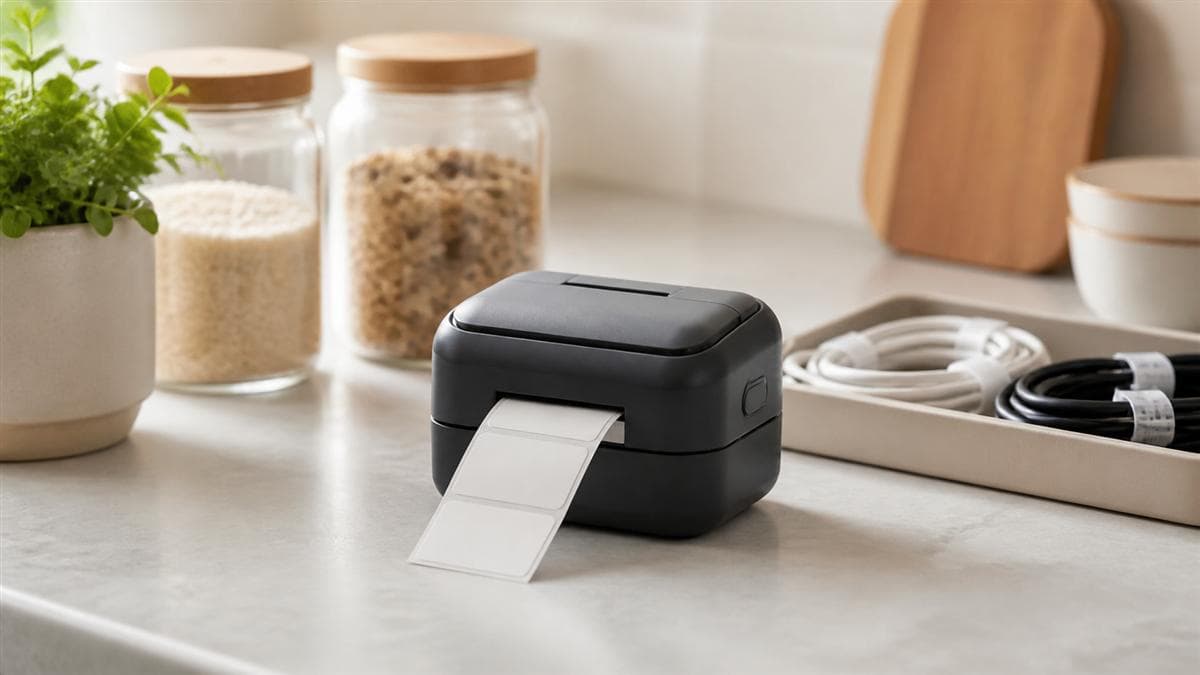
Niimbot Portable Label Printer Review: Is It Actually Worth Using for Everyday Organizing?
A practical look at Niimbot's pocket-sized Bluetooth label printers — what they're genuinely good at, where they fall short, and who should skip them.
Published: August 11, 2026
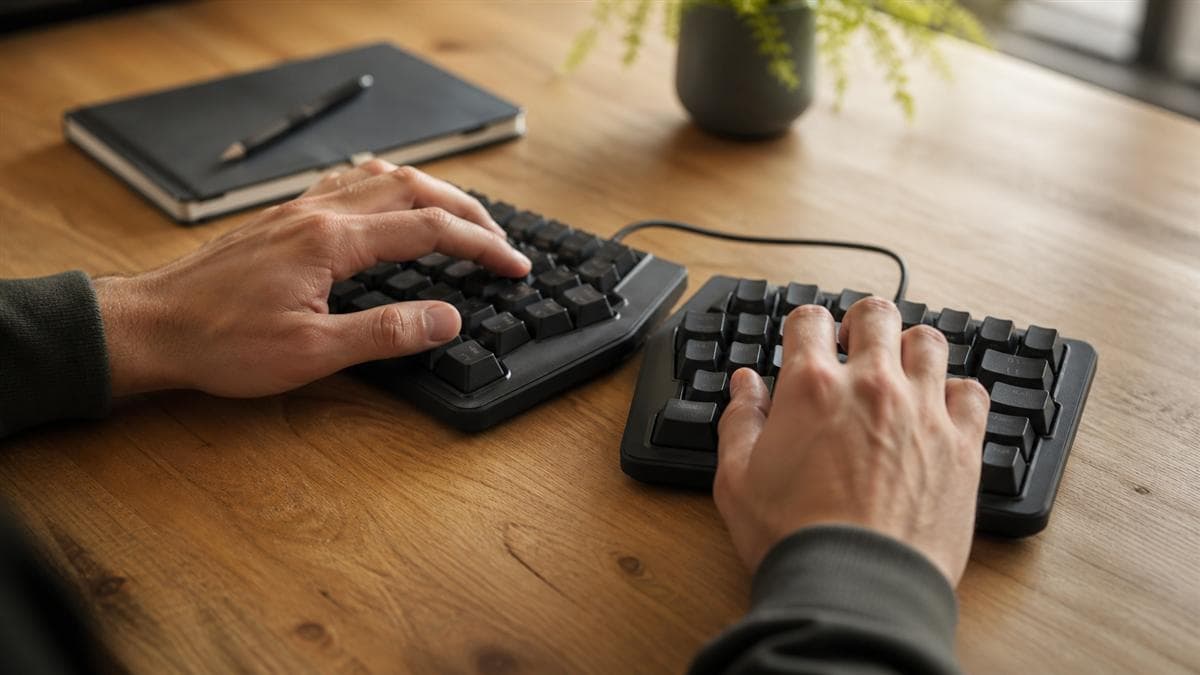
Xbows Mechanical Keyboards Long-Term: What Actually Holds Up After Regular Daily Use
Ergonomic mechanical keyboards get a lot of hype at unboxing. Here's what tends to matter — and what tends to wear — once one becomes your daily driver.
Published: August 11, 2026
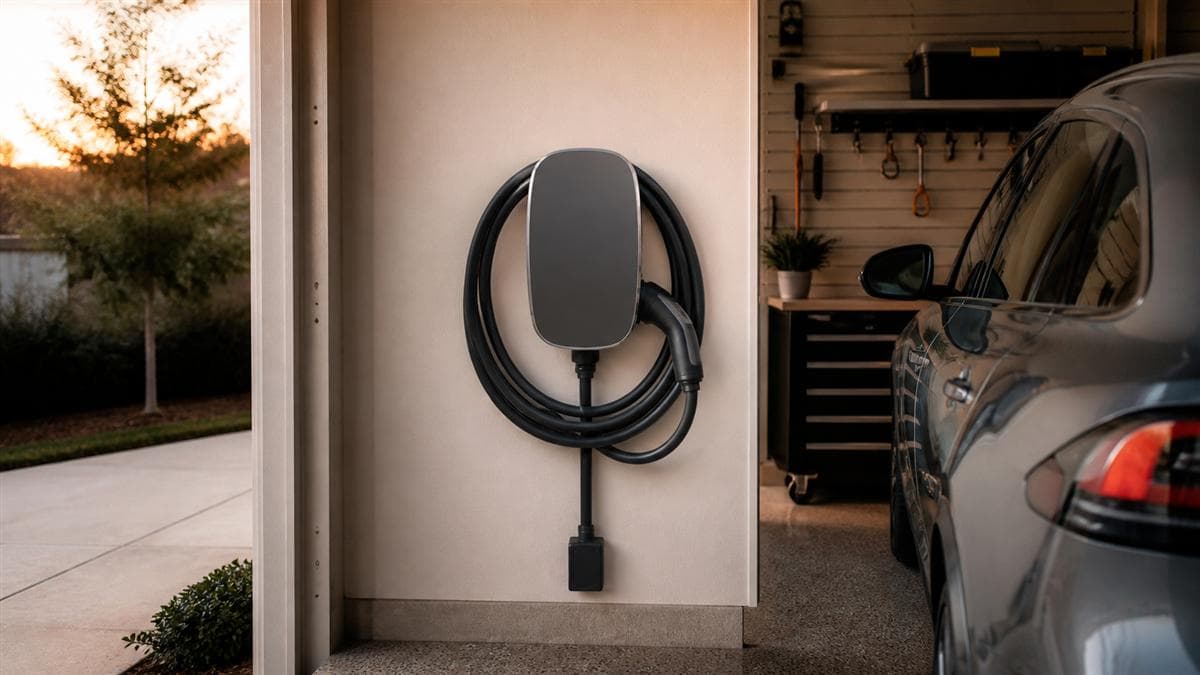
Juice Technology AG EV Chargers Compared: Which Model Actually Fits Your Setup
Juice Technology AG makes several home and portable EV charging options. Here's how the general categories differ so you pick the right one, not the flashiest one.