
An Upgrade Roadmap for RC Hobbyists, From First Model to a Real Setup
The RC hobby has a steep enough learning curve that investing heavily in top-tier equipment before building basic skill often leads to frustration and expensive mistakes, rather than a better starting experience. A staged approach — building skill and understanding before investing in higher-end equipment — tends to produce a much more satisfying long-term hobby experience.
Stage 1: a genuinely beginner-friendly first model
Starting with a durable, forgiving, lower-cost model — one built to survive the inevitable crashes and mistakes that come with genuinely learning to drive or fly — matters more than starting with an impressive, higher-performance model that's less forgiving of beginner errors. Basic driving/flying skill, crash recovery, and general handling instinct are best built on equipment you won't feel devastated about damaging during the learning process.
Stage 2: learn basic maintenance and repair
Once basic operating skill is established, learning to perform simple repairs and maintenance on that first model — replacing damaged parts, basic tuning — builds real understanding of how the hobby's equipment actually works mechanically. This knowledge transfers directly to any future, more advanced equipment, and it's far cheaper and lower-stakes to learn these skills on an inexpensive beginner model than to learn them for the first time on a pricier upgrade.
Stage 3: upgrade to match your discovered specific interest
By this stage, most hobbyists have discovered which specific aspect of the hobby genuinely interests them most — racing performance, scale realism, off-road capability, aerial photography, or something else — and this is the point to invest in equipment genuinely suited to that specific interest, rather than a generic "better" upgrade. A beginner who assumed they'd love racing but discovers they actually prefer slower, more scale-realistic driving would be poorly served by upgrading toward racing-focused equipment.
Stage 4: specialize further and consider building/customizing
With a clear sense of your specific interest within the hobby and solid maintenance skills built over the earlier stages, this is a reasonable point to consider more involved customization, kit-building rather than ready-to-run models, or specialized equipment that a true beginner wouldn't have had the context to appreciate or use well.
Common mistakes this roadmap helps avoid
- Buying an expensive, less-forgiving model as a first purchase, leading to costly damage during normal beginner learning
- Skipping basic repair/maintenance skill-building, leaving a hobbyist dependent on paid repairs for even minor, common issues
- Investing heavily in equipment for a specific hobby niche before actually confirming that's the aspect of the hobby you enjoy most
- Assuming more expensive automatically means more enjoyable, without factoring in your actual current skill level and specific interests
How to budget realistically across the full roadmap
Rather than budgeting for the whole roadmap upfront, allocating a modest amount for stage 1 (the forgiving first model plus basic spare parts) and treating later stages as separate future purchases, made only once you've genuinely progressed through the earlier stages, avoids overcommitting financially to a hobby before confirming genuine long-term interest. This staged financial approach mirrors the staged skill-building approach and reduces the real financial risk of investing heavily in a hobby that might not hold long-term interest once the initial novelty fades.
Finding a local community to accelerate the learning curve
Local RC clubs, meetups, or online communities centered around your specific interest within the hobby (racing, off-road, aerial) can meaningfully accelerate progress through every stage of this roadmap — experienced hobbyists often provide practical tips, help troubleshoot maintenance issues faster than trial and error alone, and can offer hands-on guidance for the specific interest area you've discovered by stage 3. Seeking out this kind of community early, even during stage 1, tends to make the whole roadmap progress more smoothly and enjoyably than tackling it in isolation.
How to evaluate whether you're ready to move past stage 1
A reasonable signal for readiness to progress beyond the first beginner-friendly model is whether basic operation has become comfortable enough that crashes and mistakes are becoming noticeably less frequent, and whether you've successfully performed at least a couple of basic repairs yourself. Moving on before these signals are genuinely present risks bringing the same beginner-level crash rate to a pricier, less forgiving piece of equipment, undermining much of the financial logic behind starting with a durable first model in the first place.
How to involve family members or friends in the early stages
Sharing the beginner stages of this hobby with a friend or family member, if they're interested, can make the inevitable early crashes and learning curve considerably more enjoyable, and provides a second set of hands for the basic maintenance and repair learning covered in stage two.
A final thought on enjoying the process, not just the destination
It's worth remembering that many hobbyists find genuine, lasting enjoyment at what this roadmap frames as an "earlier" stage — there's no obligation to progress through every stage if a simpler setup continues to bring real satisfaction on its own.
A closing note on documenting progress along the way
Keeping even brief photos or notes of early crashes and later successes creates a satisfying record of genuine progress through this roadmap, and can be genuinely motivating to look back on once real skill has developed.
If you're ready to buy, Naughty Boy RC is worth checking — they currently have 5% off with code HIEN live right now.
If you're ready to buy, Naughty Boy RC is worth checking — they currently have 5% off with code HIEN live right now.
If you're ready to buy, Naughty Boy RC is worth checking — they currently have 5% off with code HIEN live right now.
If you're ready to buy, Naughty Boy RC is worth checking — they currently have 5% off with code HIEN live right now.
If you're ready to buy, Naughty Boy RC is worth checking — they currently have 5% off with code HIEN live right now.
If you're ready to buy, Naughty Boy RC is worth checking — they currently have 5% off with code HIEN live right now.
If you're ready to buy, Naughty Boy RC is worth checking — they currently have 5% off with code HIEN live right now.
If you're ready to buy, Naughty Boy RC is worth checking — they currently have 5% off with code HIEN live right now.
If you're ready to buy, Naughty Boy RC is worth checking — they currently have 5% off with code HIEN live right now.
If you're ready to buy, Naughty Boy RC is worth checking — they currently have 5% off with code HIEN live right now.
If you're ready to buy, Naughty Boy RC is worth checking — they currently have 5% off with code HIEN live right now.
If you're ready to buy, Naughty Boy RC is worth checking — they currently have 5% off with code HIEN live right now.
If you're ready to buy, Naughty Boy RC is worth checking — they currently have 5% off with code HIEN live right now.
If you're ready to buy, Naughty Boy RC is worth checking — they currently have 5% off with code HIEN live right now.
If you're ready to buy, Naughty Boy RC is worth checking — they currently have 5% off with code HIEN live right now.
If you're ready to buy, Naughty Boy RC is worth checking — they currently have 5% off with code HIEN live right now.
Get 5% OFF at Naughty Boy RC
Use code HIEN at checkout
This article contains an affiliate link. If you buy through it, 5listed may earn a commission at no extra cost to you — see our review policy.
Conclusion
A satisfying long-term RC hobby experience builds in stages — a forgiving first model, basic maintenance skill, then equipment matched to your actual discovered interest, and only then more specialized customization. Skipping straight to expensive, high-performance equipment as a beginner tends to produce more frustration than enjoyment; building skill and self-knowledge first leads to upgrades that are actually worth the investment.
Keep reading
Related Articles
Published: August 11, 2026
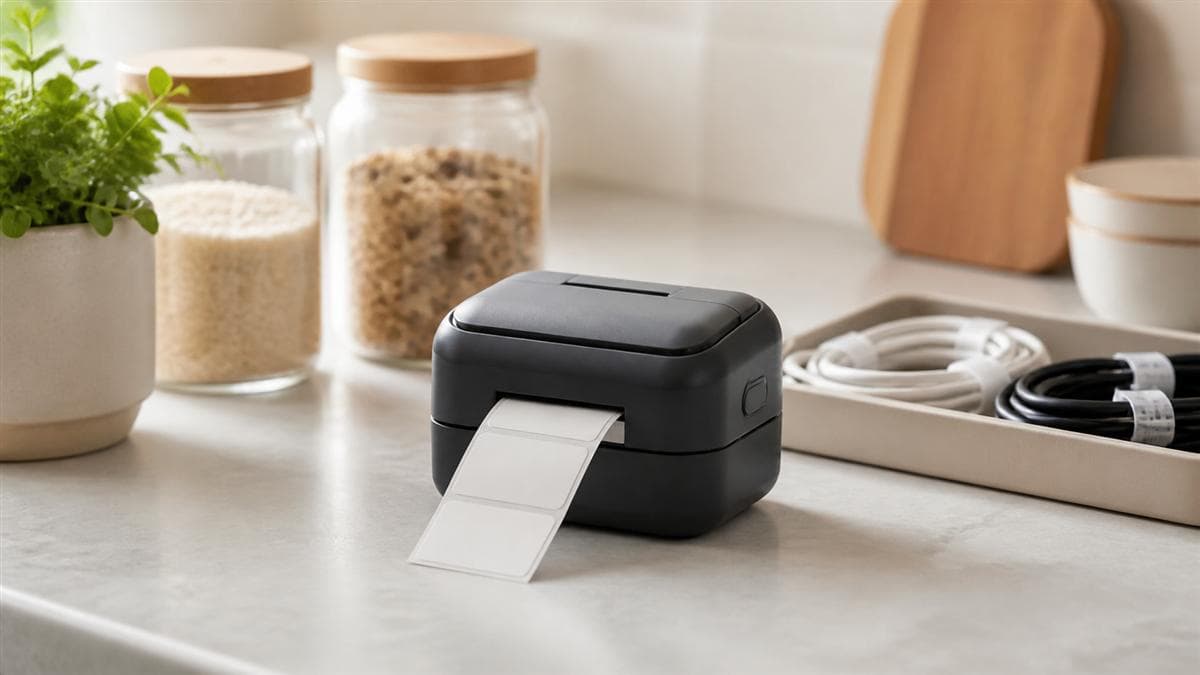
Niimbot Portable Label Printer Review: Is It Actually Worth Using for Everyday Organizing?
A practical look at Niimbot's pocket-sized Bluetooth label printers — what they're genuinely good at, where they fall short, and who should skip them.
Published: August 11, 2026
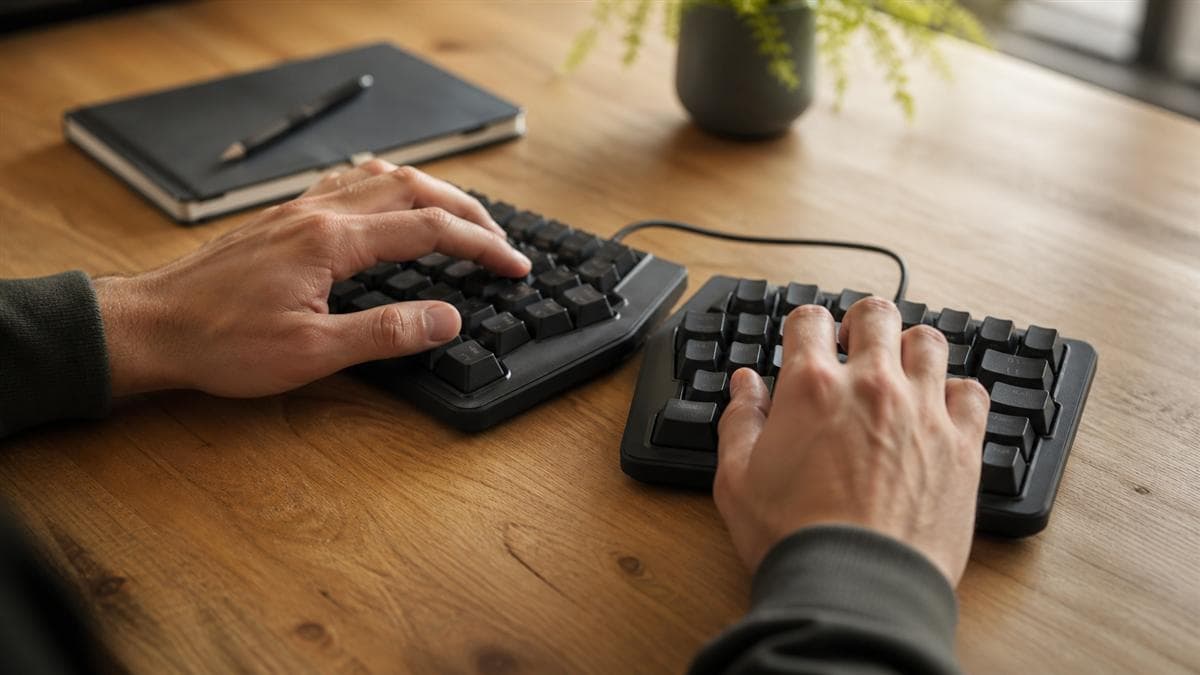
Xbows Mechanical Keyboards Long-Term: What Actually Holds Up After Regular Daily Use
Ergonomic mechanical keyboards get a lot of hype at unboxing. Here's what tends to matter — and what tends to wear — once one becomes your daily driver.
Published: August 11, 2026
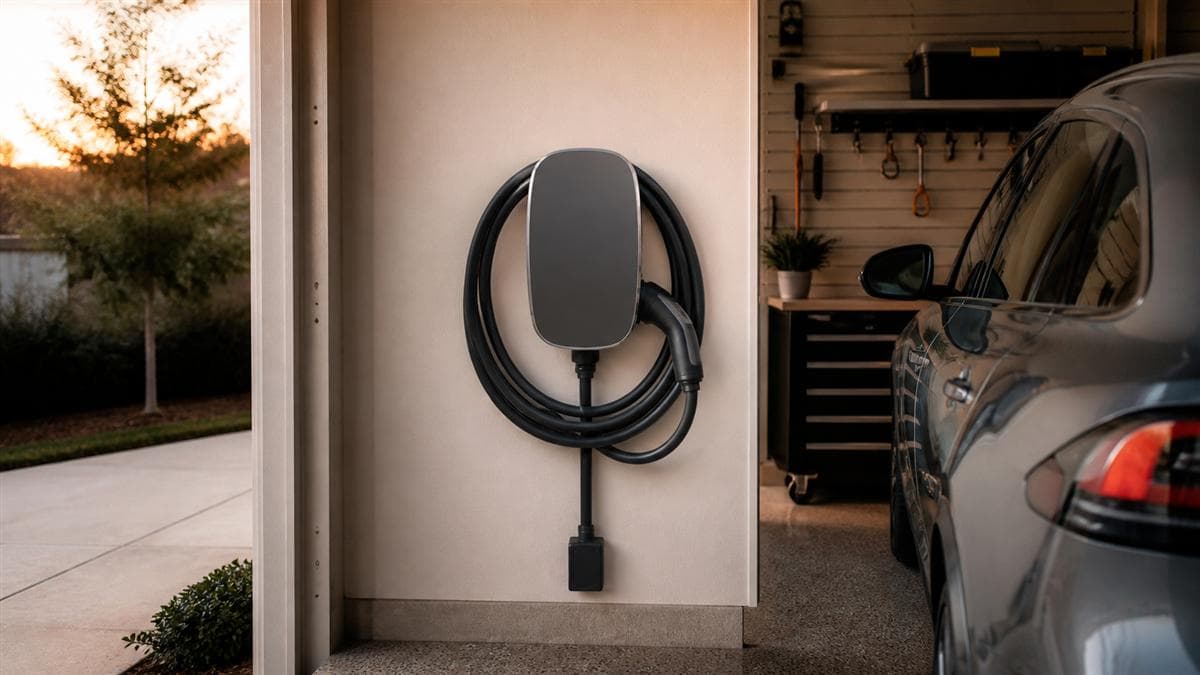
Juice Technology AG EV Chargers Compared: Which Model Actually Fits Your Setup
Juice Technology AG makes several home and portable EV charging options. Here's how the general categories differ so you pick the right one, not the flashiest one.