
Calculating Real ROI on Storage and Organization Products for a Small Resale Business
For a small resale or home-based business, storage and organization products can feel like a secondary expense compared to inventory itself — but genuinely good organization has a real, calculable return on investment through time savings, reduced errors, and better space utilization, not just tidiness for its own sake.
Time savings: the biggest and most direct ROI factor
Time spent searching for a specific item to fulfill an order is time not spent on revenue-generating activities — sourcing new inventory, marketing, customer service. Calculating the actual ROI here starts with a rough estimate: if better organization saves even 15-20 minutes a day searching for items, multiplied across a working month, that's real, recoverable time that can go toward business-growing activities instead. Valuing that saved time at whatever your effective hourly rate is (even a rough estimate) gives a concrete dollar figure to compare against the organization system's cost.
Error reduction: a less obvious but real cost factor
Poor organization increases the likelihood of shipping the wrong item, losing track of inventory counts, or failing to locate an item that's actually in stock (leading to a lost sale or an unnecessary reorder). Each of these errors has a real cost — a wrong shipment means return shipping costs and a dissatisfied customer, a lost sale from a "phantom out-of-stock" situation means direct lost revenue. Reducing even a small number of these errors monthly through better organization can represent meaningful savings.
Space utilization: often underweighted in ROI thinking
For a home-based business, physical space is a genuine constrained resource — better organization systems often let more inventory fit in the same physical footprint, which either delays or reduces the need to rent additional storage space (a real, calculable monthly cost) or expand into more of a home's living space than intended. This factor is easy to overlook since it's a cost avoided rather than a cost incurred, but it's a genuine part of the ROI picture for a growing home-based operation.
A simple ROI calculation framework
- Estimate current time spent weekly on searching/locating inventory, and estimate the reduction a better system would realistically provide
- Multiply that time savings by your effective hourly value to get a rough weekly/monthly dollar figure
- Estimate the frequency and cost of organization-related errors (wrong shipments, missed sales from disorganized stock) currently occurring, and how much a better system would realistically reduce them
- Factor in any avoided cost from better space utilization (delayed need for additional storage space, more efficient use of existing space)
- Compare the total estimated monthly benefit against the organization system's upfront and any ongoing cost
When the investment doesn't make sense yet
For a very small operation with low inventory volume, the time and error savings from a more sophisticated organization system may be genuinely minimal, making a significant investment premature. Revisiting this calculation as inventory volume and order frequency grow — rather than either over-investing too early or under-investing once volume genuinely justifies it — keeps the decision matched to actual current business scale.
Tracking ROI over time rather than as a one-time calculation
Running this ROI calculation once before an investment is useful, but revisiting it periodically after implementing a new organization system — checking whether the estimated time savings and error reduction actually materialized as expected — provides genuinely more reliable data than the initial rough estimate alone. This follow-up check also helps calibrate future investment decisions more accurately, since it reveals whether your initial estimates tended to be conservative or optimistic relative to real results.
Non-financial benefits worth acknowledging alongside the ROI calculation
Beyond the directly calculable financial factors, better organization often delivers real but harder-to-quantify benefits — reduced daily stress, a more professional appearance for any client-facing aspects of the business, and simply a more sustainable pace for a solo or small-team operation prone to burnout from constant minor inefficiencies. These softer benefits don't fit neatly into a dollar-figure ROI calculation, but they're worth acknowledging as part of the fuller picture when deciding whether an organization investment is genuinely worthwhile.
How seasonal demand spikes affect the ROI calculation
For resale businesses with seasonal demand spikes (holiday shopping periods, for instance), the ROI of good organization is disproportionately higher during peak periods than during slower stretches, since order volume and the associated time-savings-per-order both scale up together during busy seasons. Weighting the ROI calculation toward peak-season performance, rather than an average across the whole year, often reveals a stronger case for investment than a purely averaged calculation would suggest.
How to communicate the value of this investment to a business partner
For anyone running a small resale business with a partner or co-founder, presenting this kind of rough ROI calculation in concrete numbers, rather than a vague sense that "organization would help," tends to make internal conversations about operational investment considerably more productive and easier to agree on.
A final note on reinvesting time savings productively
The real ROI of better organization only materializes if the time saved is actually redirected toward revenue-generating activity — tracking not just that time was saved, but what it was used for afterward, closes the loop on genuinely realizing the calculated return.
If you're ready to buy, Blue bird liquidation is worth checking — they currently have 10% off live right now.
If you're ready to buy, Blue bird liquidation is worth checking — they currently have 10% off live right now.
If you're ready to buy, Blue bird liquidation is worth checking — they currently have 10% off live right now.
If you're ready to buy, Blue bird liquidation is worth checking — they currently have 10% off live right now.
If you're ready to buy, Blue bird liquidation is worth checking — they currently have 10% off live right now.
If you're ready to buy, Blue bird liquidation is worth checking — they currently have 10% off live right now.
If you're ready to buy, Blue bird liquidation is worth checking — they currently have 10% off live right now.
If you're ready to buy, Blue bird liquidation is worth checking — they currently have 10% off live right now.
If you're ready to buy, Blue bird liquidation is worth checking — they currently have 10% off live right now.
If you're ready to buy, Blue bird liquidation is worth checking — they currently have 10% off live right now.
If you're ready to buy, Blue bird liquidation is worth checking — they currently have 10% off live right now.
If you're ready to buy, Blue bird liquidation is worth checking — they currently have 10% off live right now.
If you're ready to buy, Blue bird liquidation is worth checking — they currently have 10% off live right now.
If you're ready to buy, Blue bird liquidation is worth checking — they currently have 10% off live right now.
If you're ready to buy, Blue bird liquidation is worth checking — they currently have 10% off live right now.
If you're ready to buy, Blue bird liquidation is worth checking — they currently have 10% off live right now.
Get 10% OFF at Blue bird liquidation
Shop Blue bird liquidation Now →
This article contains an affiliate link. If you buy through it, 5listed may earn a commission at no extra cost to you — see our review policy.
Conclusion
Storage and organization investments for a small resale business have a real, calculable ROI through time savings, error reduction, and better space utilization — not just a tidiness preference. Running through a rough calculation based on your actual current volume and pain points, rather than assuming organization spending is purely a "nice to have," clarifies whether and how much investment genuinely makes sense at your current business scale.
Keep reading
Related Articles
Published: August 11, 2026
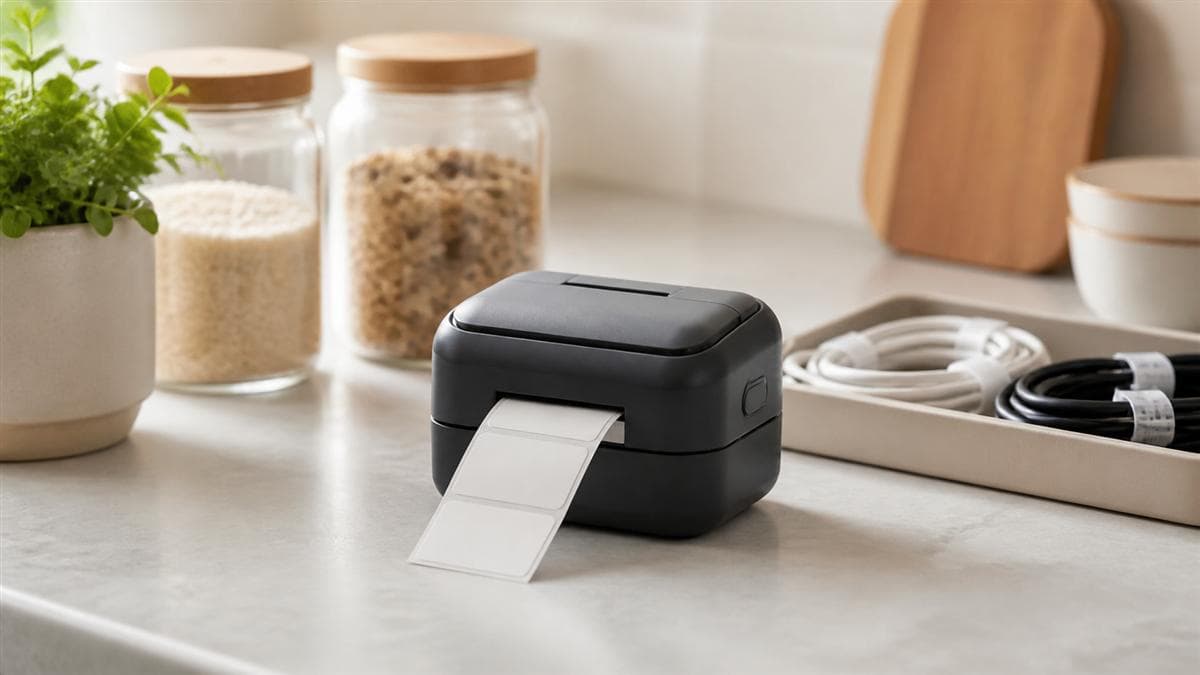
Niimbot Portable Label Printer Review: Is It Actually Worth Using for Everyday Organizing?
A practical look at Niimbot's pocket-sized Bluetooth label printers — what they're genuinely good at, where they fall short, and who should skip them.

Published: August 11, 2026
Xbows Mechanical Keyboards Long-Term: What Actually Holds Up After Regular Daily Use
Ergonomic mechanical keyboards get a lot of hype at unboxing. Here's what tends to matter — and what tends to wear — once one becomes your daily driver.

Published: August 11, 2026
Juice Technology AG EV Chargers Compared: Which Model Actually Fits Your Setup
Juice Technology AG makes several home and portable EV charging options. Here's how the general categories differ so you pick the right one, not the flashiest one.