
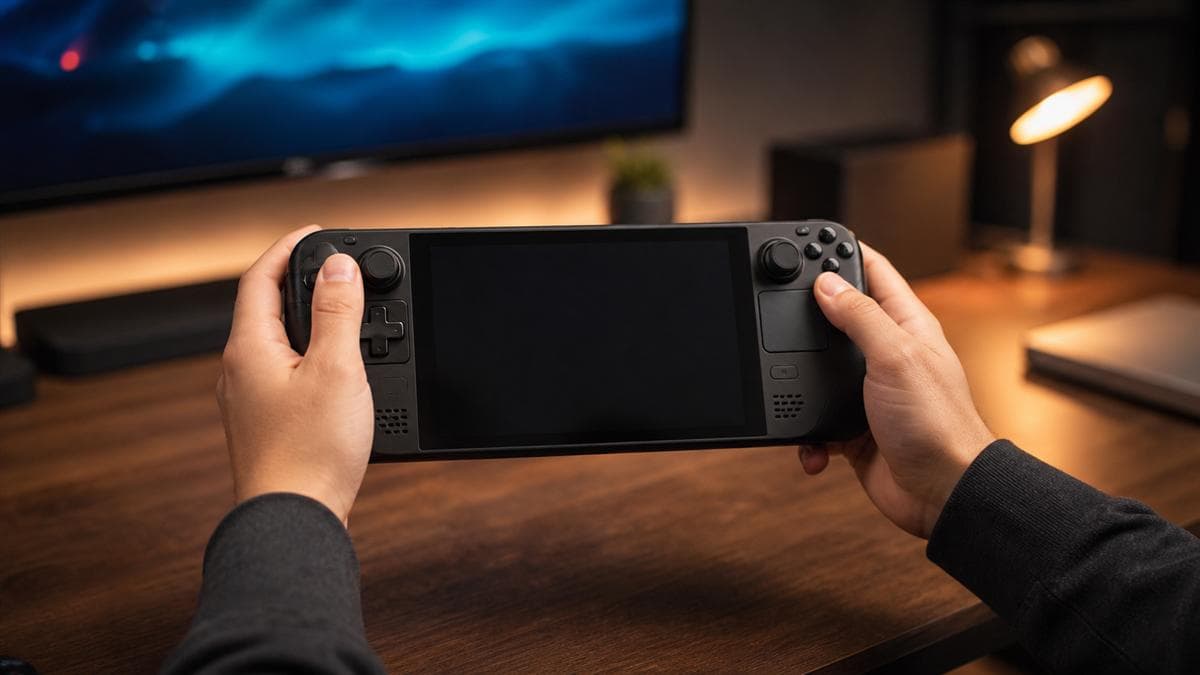
Before handheld Windows gaming PCs became a mainstream category, a small group of niche manufacturers were already building them for a dedicated enthusiast audience. Ayaneo is one of the brands most associated with that early wave — a company that leaned into retro-inspired designs, high customization, and rapid iteration long before bigger names entered the space. If you've seen a handheld with a chunky, colorful, almost toy-like design running full PC games, there's a decent chance it traces back to Ayaneo's influence. Understanding what actually sets the brand apart — beyond just "it looks different" — helps decide whether it's the right fit for your next handheld purchase.
The design philosophy
What distinguishes Ayaneo from a lot of competitors is how much attention goes into the physical device itself — button feel, joystick quality, color and material options, and a general willingness to ship distinctive-looking hardware rather than a plain black slab. Several of their devices lean into retro-console aesthetics, drawing visual inspiration from classic handhelds and consoles, which has made them popular with buyers who care as much about how a handheld feels in the hand as what's inside it. This extends to smaller details too — texture choices on the shell, the resistance and travel distance of face buttons, and thoughtful ergonomics for longer play sessions.
This design-first approach isn't just cosmetic. A handheld you're gripping for extended sessions genuinely benefits from thoughtful button placement and grip shaping, and it's an area where Ayaneo has consistently invested more than some competitors who prioritize internal specs above all else.
Lineup and how fast it moves
Ayaneo has released multiple device lines over a short span, often refreshing internals (chipset, battery, screen) faster than many buyers can keep track of. That's a real strength if you want access to newer hardware sooner, but it's also a genuine downside: a model bought today can be followed by a meaningfully updated version within a year or so. Anyone buying should treat this as a fast-moving product line, not a "buy once, done for years" purchase, similar in spirit to how smartphone buyers accept that a newer model is always coming eventually.
This rapid iteration also means older models in the lineup can drop in price as newer ones launch, which is worth watching if you're not chasing the absolute newest hardware — a previous-generation model bought at a discount can still be a genuinely capable device for most games, especially if your library leans toward less demanding titles.
Where it fits vs. more mainstream handhelds
- Strongest for buyers who want design variety and don't mind a smaller-brand ecosystem
- Good fit for enthusiasts already comfortable with Windows handheld quirks (driver updates, per-game settings tuning)
- Appeals to collectors and hobbyists who enjoy trying different form factors rather than settling on one device long-term
- Less ideal for someone who wants a single, simple, "it just works" device with a huge, unified software ecosystem — that's still more the territory of console-first handhelds
Windows-based handhelds in general require a bit more comfort with PC troubleshooting than a console does — adjusting per-game graphics settings for battery life, occasionally dealing with driver updates, and generally understanding that you're running a full PC operating system on a small screen. Ayaneo devices don't uniquely add to this — it's inherent to the Windows handheld category — but it's worth knowing before comparing against simpler, more locked-down alternatives.
Support and community
Because it's a smaller manufacturer than the big PC or console brands, support experiences can vary more, and a lot of practical tuning knowledge (best settings per game, firmware quirks) lives in enthusiast communities rather than official documentation. That's not unusual for this product category, but it's worth knowing going in — you'll get more out of an Ayaneo device if you're willing to spend a little time in forums and community guides. Enthusiast communities around this brand tend to be active and genuinely helpful, which partly offsets thinner official documentation.
What to check before buying into the ecosystem
If you're considering a first Ayaneo device, it's worth reading recent hands-on impressions of the specific model you're eyeing rather than the brand broadly — given how fast the lineup moves, general brand reputation can lag behind what a particular current model actually delivers. Battery life, in particular, varies a lot by model and by how demanding the games you play are, so matching expectations to your actual gaming habits (quick sessions vs. long play) matters more here than with most other purchases.
Comparing Ayaneo's price positioning to the wider handheld market
Ayaneo devices generally sit in a mid-to-premium price bracket relative to the broader Windows handheld market — priced above the most budget-focused entries in the category, but often competitive with or below some larger, more mainstream handheld brands once comparable internals are matched up. Where the brand tends to ask for a premium isn't raw specs so much as the design and material choices discussed above — a buyer comparing purely on a spec-for-spec, dollar-for-dollar basis without factoring in build quality and design variety may come away thinking a competitor is the better value, while someone who cares about the physical object itself may find Ayaneo's premium well justified.
Crowdfunding and pre-order campaigns are also a notable part of how Ayaneo has historically brought new models to market, which is worth knowing going in — buying at the pre-order stage can mean a longer wait between purchase and delivery, and occasionally some early-batch quality variance compared to a more mature, fully retail-available product cycle. Waiting for a model to be out of its initial pre-order/early-access window and into standard retail availability is a reasonable way to reduce that specific risk, at the cost of missing whatever early-bird pricing was on offer.
If you're ready to buy, Ayaneo is worth checking — they currently have 5% off live right now.
If you're ready to buy, Ayaneo is worth checking — they currently have 5% off live right now.
If you're ready to buy, Ayaneo is worth checking — they currently have 5% off live right now.
If you're ready to buy, Ayaneo is worth checking — they currently have 5% off live right now.
If you're ready to buy, Ayaneo is worth checking — they currently have 5% off live right now.
If you're ready to buy, Ayaneo is worth checking — they currently have 5% off live right now.
If you're ready to buy, Ayaneo is worth checking — they currently have 5% off live right now.
If you're ready to buy, Ayaneo is worth checking — they currently have 5% off live right now.
If you're ready to buy, Ayaneo is worth checking — they currently have 5% off live right now.
If you're ready to buy, Ayaneo is worth checking — they currently have 5% off live right now.
If you're ready to buy, Ayaneo is worth checking — they currently have 5% off live right now.
If you're ready to buy, Ayaneo is worth checking — they currently have 5% off live right now.
If you're ready to buy, Ayaneo is worth checking — they currently have 5% off live right now.
If you're ready to buy, Ayaneo is worth checking — they currently have 5% off live right now.
If you're ready to buy, Ayaneo is worth checking — they currently have 5% off live right now.
If you're ready to buy, Ayaneo is worth checking — they currently have 5% off live right now.
Get 5% OFF at Ayaneo
This article contains an affiliate link. If you buy through it, 5listed may earn a commission at no extra cost to you — see our review policy.
Conclusion
Ayaneo earns its reputation as a design-forward pioneer in the handheld gaming PC space — distinctive hardware, fast iteration, and a real enthusiast following. That same speed of iteration means it's not the brand for someone who wants long-term hardware stability without thinking about it. If you value physical design and don't mind staying a little more hands-on, it's worth shortlisting; if you want the simplest possible ownership experience, it's worth comparing carefully against more mainstream alternatives first.
Keep reading
Related Articles
Published: August 11, 2026
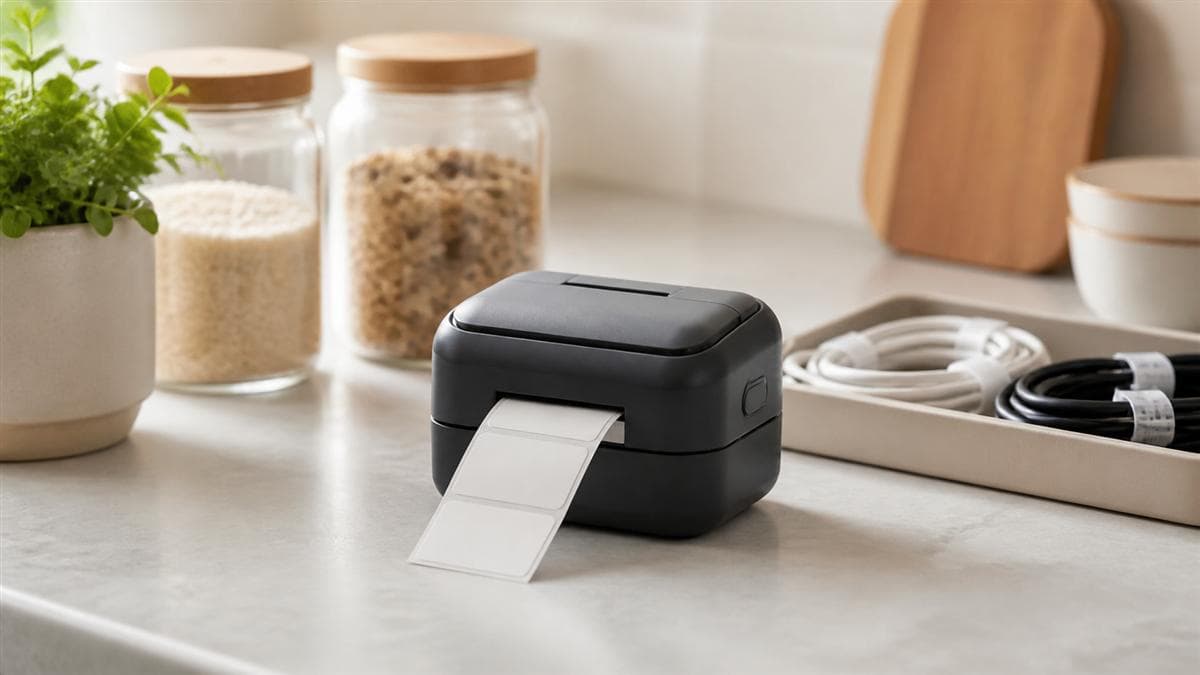
Niimbot Portable Label Printer Review: Is It Actually Worth Using for Everyday Organizing?
A practical look at Niimbot's pocket-sized Bluetooth label printers — what they're genuinely good at, where they fall short, and who should skip them.
Published: August 11, 2026
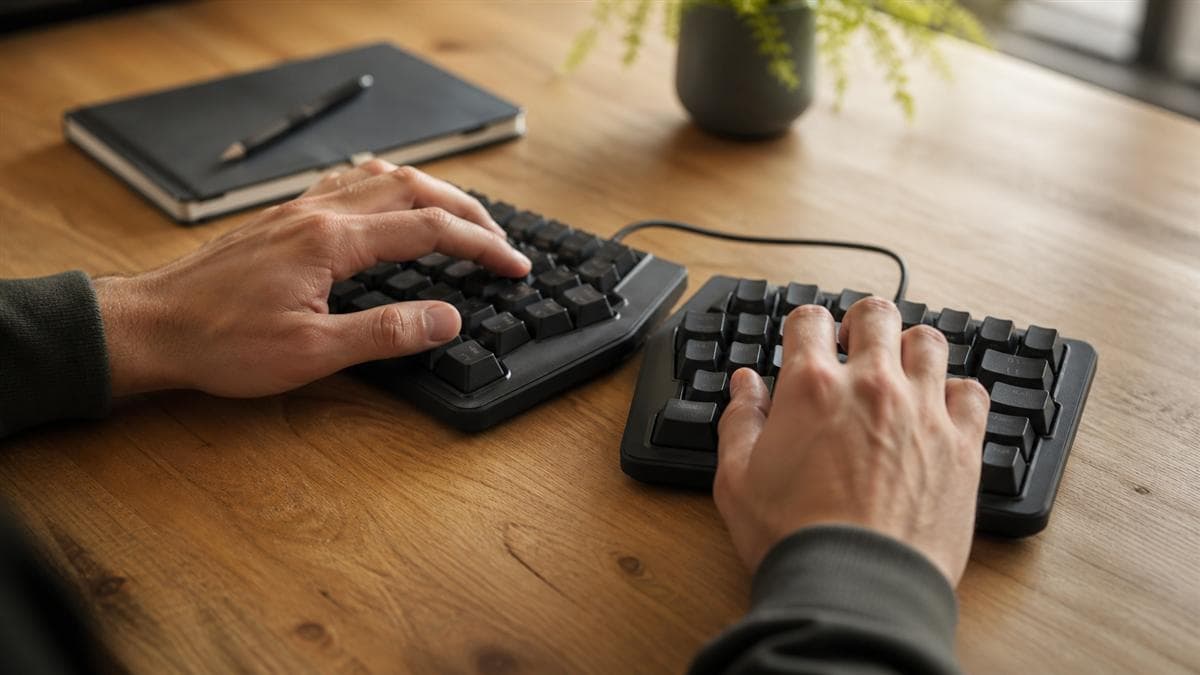
Xbows Mechanical Keyboards Long-Term: What Actually Holds Up After Regular Daily Use
Ergonomic mechanical keyboards get a lot of hype at unboxing. Here's what tends to matter — and what tends to wear — once one becomes your daily driver.
Published: August 11, 2026
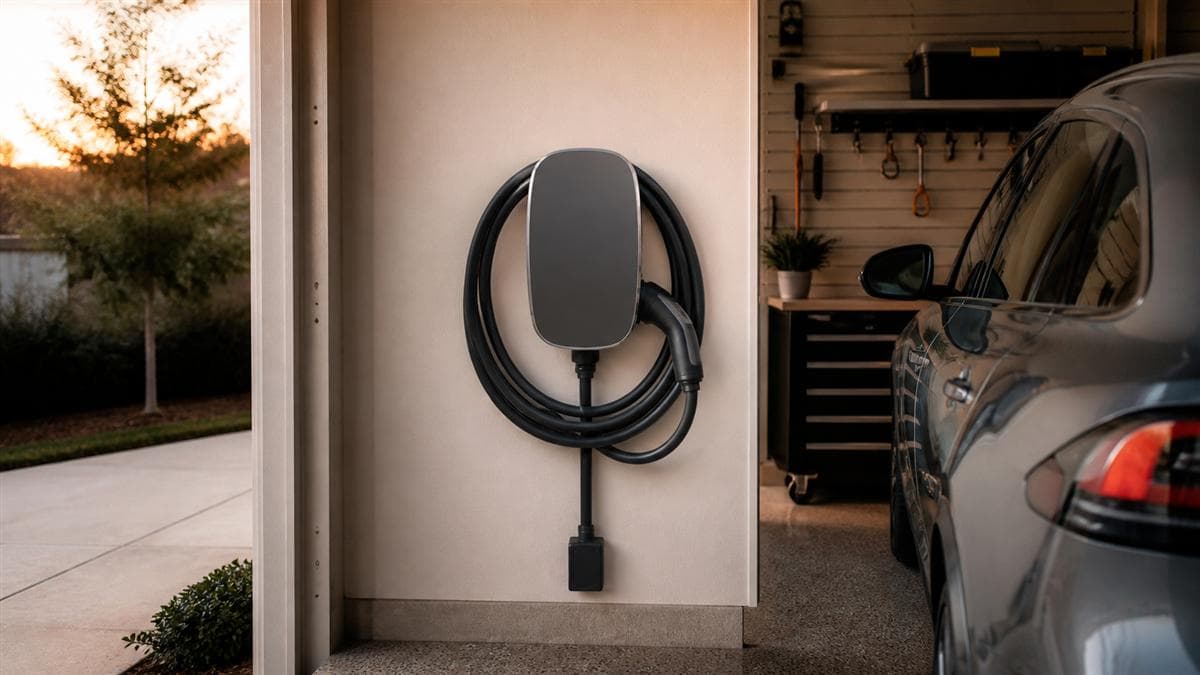
Juice Technology AG EV Chargers Compared: Which Model Actually Fits Your Setup
Juice Technology AG makes several home and portable EV charging options. Here's how the general categories differ so you pick the right one, not the flashiest one.