
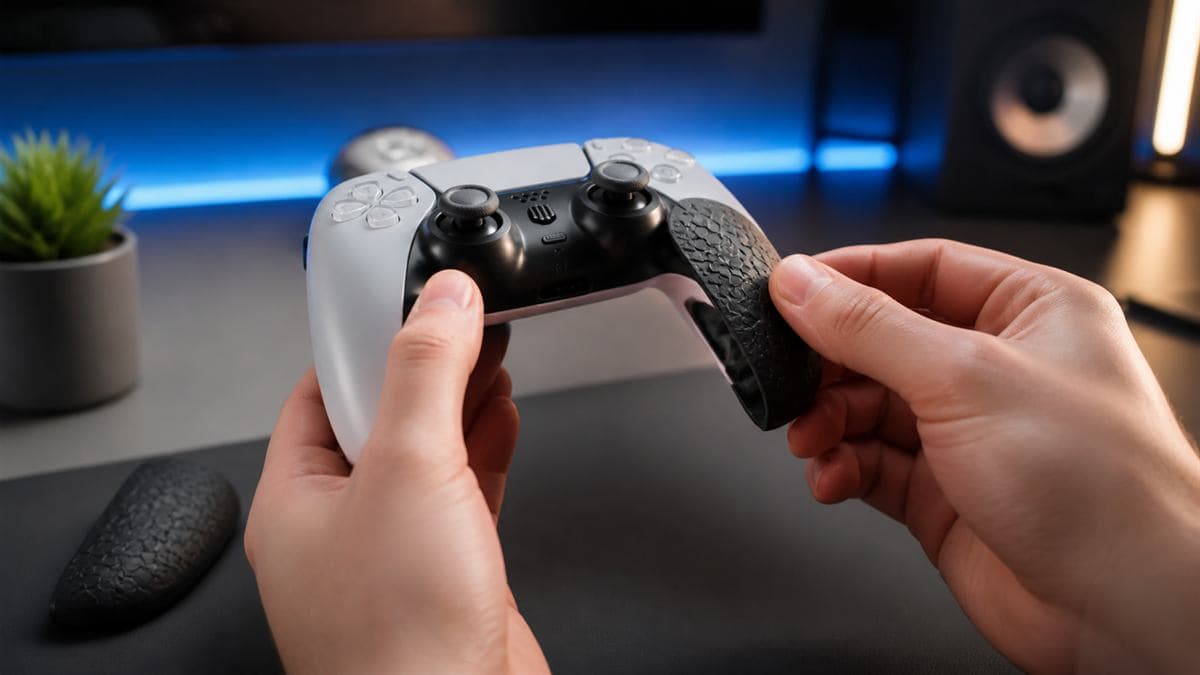
Controller customization — grips, thumbstick caps, faceplates, trigger extenders — has become a genuinely accessible way to improve comfort, aesthetics, or performance without buying a whole new controller. But a few common mistakes turn what should be a cheap, satisfying upgrade into wasted money or, occasionally, a damaged controller. Most of these are easy to avoid once you know what to check first.
Not checking compatibility with your exact controller model
Controller generations and revisions look similar but often have small dimensional differences that matter a lot for a snug-fitting grip or shell. Buying based on the general controller family (e.g. "PS5 controller") without confirming the specific revision can lead to a product that technically fits but doesn't sit quite right, or genuinely doesn't fit at all. A minute spent confirming exact model compatibility before buying saves the hassle of a return.
Choosing thumbstick height purely by look
Taller thumbstick caps are popular for certain games (competitive shooters, in particular) because they can offer finer control, but taller isn't universally better — for other game genres, a taller stick can actually feel less precise or more fatiguing over long sessions. Matching thumbstick height to the specific games you play most, rather than picking whatever looks best in product photos, makes a real functional difference.
Ignoring how a grip changes overall controller weight and balance
Added grips, plates, or heavier customized shells shift a controller's balance and total weight, which affects handling more than people expect until they're a few hours into a session. Something that felt fine in a quick five-minute test at home can feel different after an hour of actual play. If possible, test a modification during a real, longer session before deciding it's a permanent addition, rather than judging it purely on first impression.
Voiding warranty without realizing it
Some customizations — particularly ones involving opening the controller shell itself, like internal modding or shell swaps — can void a manufacturer's warranty, while purely external add-ons (snap-on grips, stick caps) generally don't. It's worth checking which category a planned modification falls into before doing it, especially on a controller that's still relatively new and under warranty.
Rushing the installation
- Forcing a grip or shell that doesn't seat properly, risking cracked plastic or a controller that no longer closes fully
- Applying stick caps at an angle instead of straight, which can wear unevenly or come loose faster
- Skipping the cleaning step before applying anything adhesive — dust or oil on the surface weakens adhesion significantly
- Not reading model-specific installation notes when a product includes them, assuming "it's basically the same for every controller"
Overbuying accessories that don't match actual play habits
It's easy to buy a full set of trigger extenders, back paddles, and grip kits at once based on what looks impressive, without confirming any of it actually improves your specific games or play style. Starting with one modification, using it for a real stretch of time, and deciding whether it genuinely helps before adding more tends to lead to a setup you actually like rather than a drawer of unused accessories.
Buying based on influencer setups without checking your own hand size
A lot of controller customization inspiration comes from content creators showing off their own setups, but hand size and grip preference vary enough between people that a configuration that looks great and feels great for one person can be genuinely uncomfortable for another. Checking your own hand size against a specific grip or accessory's sizing information, rather than assuming a popular setup will automatically suit your hands the same way, avoids a common and easily preventable mismatch.
Neglecting to clean before long-term storage of unused accessories
Grips and accessories that get swapped out or set aside, rather than sold or given away, benefit from a quick clean before storage — skin oils and dust left on a grip during storage can degrade adhesive backing or leave residue that's harder to clean off later than if it had been wiped down before being set aside. This is a small habit that protects the resale or future-use value of accessories you're not currently using but might want to swap back in later.
Assuming every game benefits from the same customization
A customization that genuinely improves performance or comfort in one game genre doesn't automatically transfer to every other genre played on the same controller — a stick height or grip texture ideal for a competitive shooter might feel unnecessary or even slightly worse for a slower-paced game. Being willing to reconsider a customization choice if your most-played game changes over time, rather than assuming an initial setup is permanently optimal, keeps a controller genuinely well-matched to current actual use.
Overlooking cable and connection compatibility on wired accessories
For any wired customization accessory, checking cable length and connector type against your actual gaming setup before buying avoids the frustrating discovery that an otherwise great accessory doesn't comfortably reach from controller to console or PC in your specific room layout.
If you're ready to buy, Playvital is worth checking — they currently have 10% off live right now.
If you're ready to buy, Playvital is worth checking — they currently have 10% off live right now.
If you're ready to buy, Playvital is worth checking — they currently have 10% off live right now.
If you're ready to buy, Playvital is worth checking — they currently have 10% off live right now.
If you're ready to buy, Playvital is worth checking — they currently have 10% off live right now.
If you're ready to buy, Playvital is worth checking — they currently have 10% off live right now.
If you're ready to buy, Playvital is worth checking — they currently have 10% off live right now.
If you're ready to buy, Playvital is worth checking — they currently have 10% off live right now.
If you're ready to buy, Playvital is worth checking — they currently have 10% off live right now.
If you're ready to buy, Playvital is worth checking — they currently have 10% off live right now.
If you're ready to buy, Playvital is worth checking — they currently have 10% off live right now.
If you're ready to buy, Playvital is worth checking — they currently have 10% off live right now.
If you're ready to buy, Playvital is worth checking — they currently have 10% off live right now.
If you're ready to buy, Playvital is worth checking — they currently have 10% off live right now.
If you're ready to buy, Playvital is worth checking — they currently have 10% off live right now.
If you're ready to buy, Playvital is worth checking — they currently have 10% off live right now.
Get 10% OFF at Playvital
This article contains an affiliate link. If you buy through it, 5listed may earn a commission at no extra cost to you — see our review policy.
Conclusion
Controller customization delivers real comfort and performance benefits when done thoughtfully — matched to your exact model, your actual games, and installed carefully. Most of the common mistakes here come down to rushing (skipping compatibility checks, installing carelessly) or buying based on looks rather than how a change actually feels during real, extended play. A little patience at each step avoids both wasted money and a damaged controller.
Keep reading
Related Articles
Published: August 11, 2026
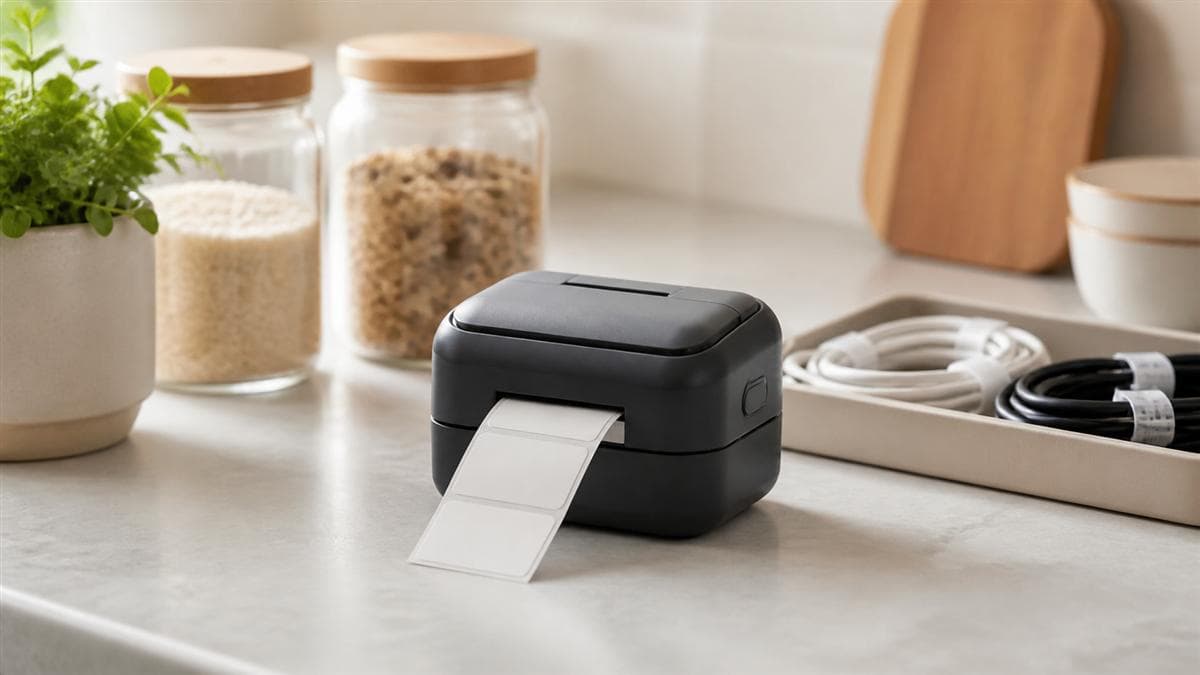
Niimbot Portable Label Printer Review: Is It Actually Worth Using for Everyday Organizing?
A practical look at Niimbot's pocket-sized Bluetooth label printers — what they're genuinely good at, where they fall short, and who should skip them.
Published: August 11, 2026
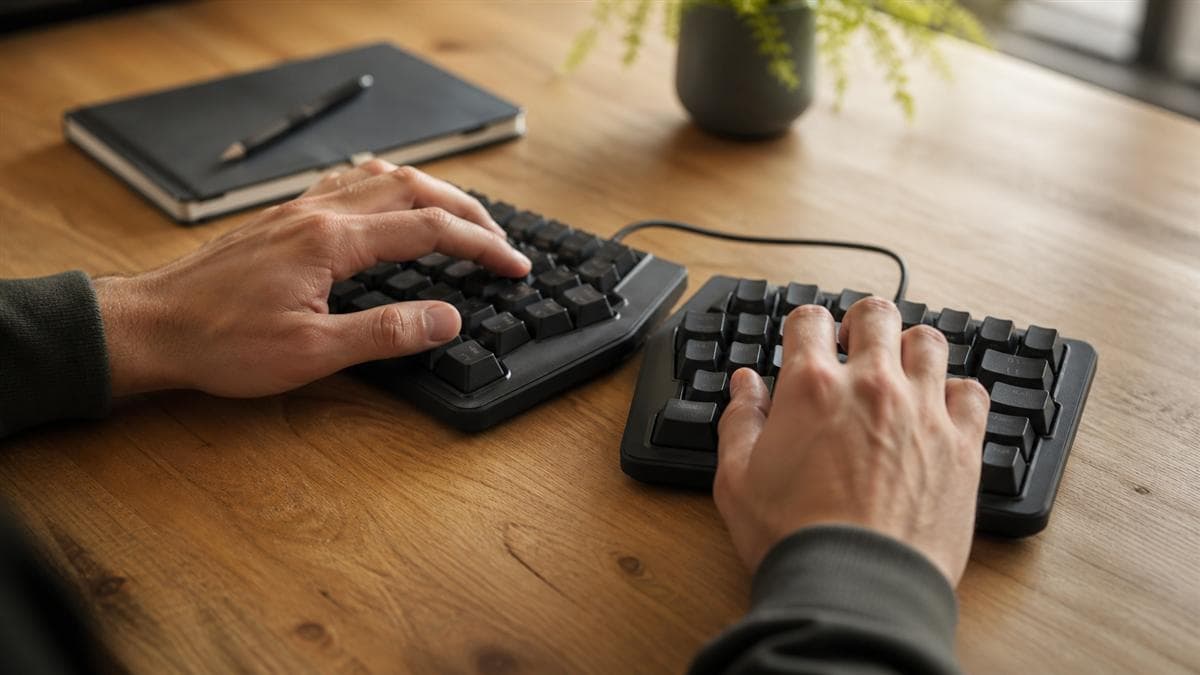
Xbows Mechanical Keyboards Long-Term: What Actually Holds Up After Regular Daily Use
Ergonomic mechanical keyboards get a lot of hype at unboxing. Here's what tends to matter — and what tends to wear — once one becomes your daily driver.
Published: August 11, 2026
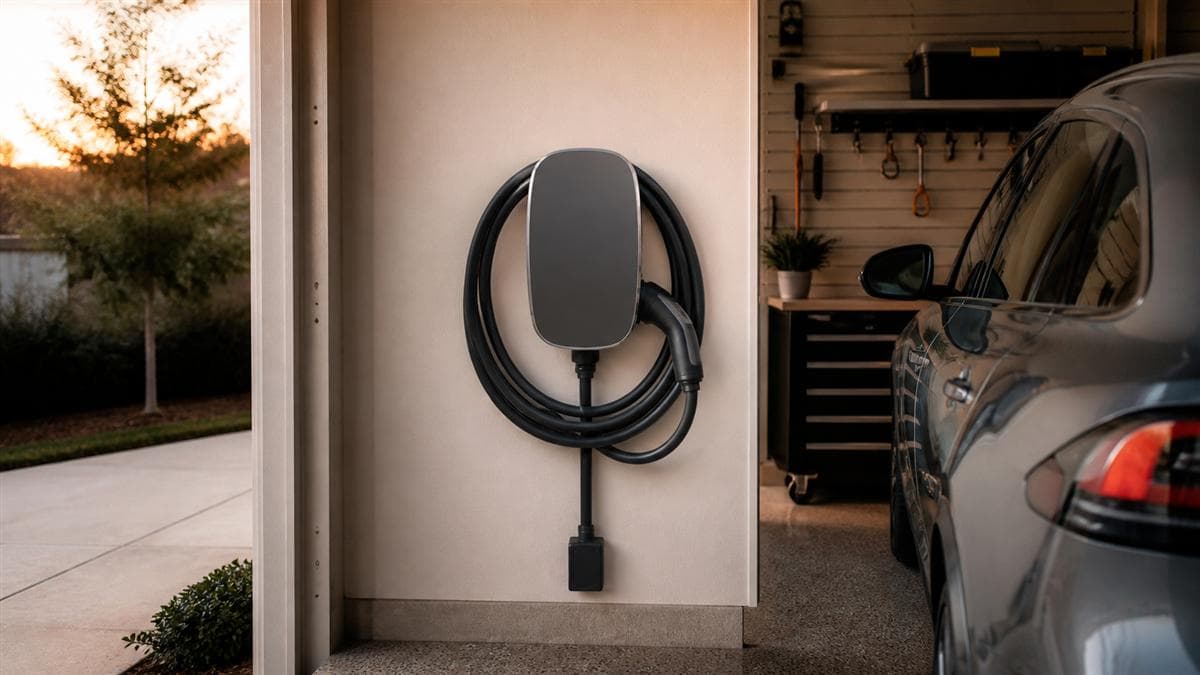
Juice Technology AG EV Chargers Compared: Which Model Actually Fits Your Setup
Juice Technology AG makes several home and portable EV charging options. Here's how the general categories differ so you pick the right one, not the flashiest one.