
Card condition, once damaged, generally can't be restored — a bent corner or a light-damaged surface is permanent, not something a later fix can undo. New collectors often don't realize how many everyday habits quietly damage cards until the damage is already done. Most of these mistakes are simple to avoid once you know they matter.
Storing cards loose in a box without sleeves
Loose cards sliding around a storage box, rubbing against each other, is one of the fastest ways to develop edge wear and surface scratches — even without any dramatic incident, just normal handling and shifting over time causes gradual damage. A basic penny sleeve for every card, even ones that aren't especially valuable, is cheap insurance against this kind of slow accumulated wear.
Using the wrong type of binder or pages
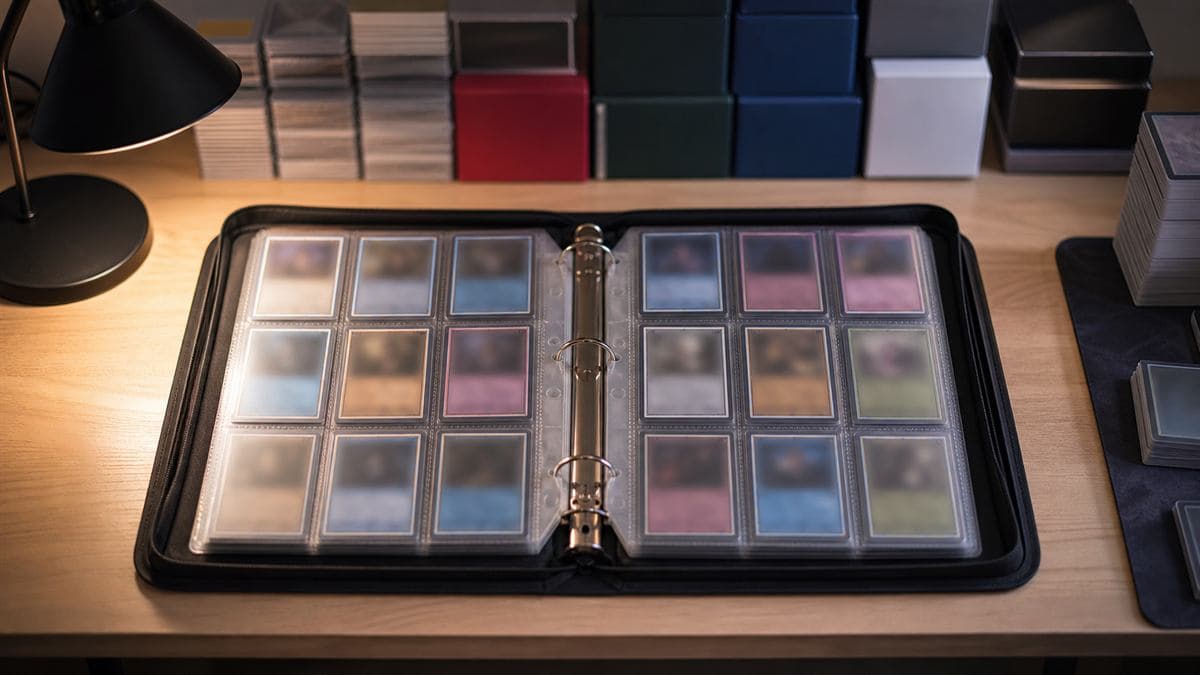
Not all trading card binder pages are created equal — some cheaper options are made from PVC, which can react with card surfaces over long storage periods and cause a sticky residue or discoloration, especially with prolonged contact. Choosing binder pages specifically labeled as archival-safe or non-PVC is a small detail that matters a lot for anything stored long-term.
Storing collections in humid or temperature-unstable spaces
Basements, garages, and attics are common storage spots simply because they have space, but they're also often the worst environments for humidity and temperature swings — both of which can cause warping, discoloration, or mold growth on card stock over time. A closet inside the main living space, away from exterior walls and temperature extremes, is almost always a better long-term storage environment than a garage or unfinished basement.
Handling cards with dirty or oily hands
Natural oils and dirt from hands transfer onto card surfaces with every touch, and over repeated handling this builds up in ways that affect both appearance and, for cards intended for grading, actual condition assessment. Simple habits — clean, dry hands before handling valuable cards, holding cards by the edges rather than the front and back surfaces — go a long way, especially for anything considered a genuinely valuable piece of a collection.
Mistakes worth flagging specifically
- Leaving cards in direct sunlight, even briefly and even through a window — UV exposure fades printed colors faster than most people expect
- Stacking heavy items on top of storage boxes, causing pressure damage to cards near the top of a stack
- Assuming a "special" card doesn't need the same basic sleeve protection as a common one — value isn't always obvious at the time of acquisition
- Mixing card sizes or types in a single sleeve or storage slot not designed for them, causing loose fit and unnecessary movement
A simple baseline worth adopting early
New collectors don't need premium storage for every single card from day one — a basic sleeve for anything worth keeping, a stable indoor storage location, and clean hands during handling cover the vast majority of preventable damage. Upgrading to premium sleeves, toploaders, or graded card cases can come later, once you've identified which specific cards are worth that extra investment.
Trusting inaccurate online value estimates over proper protection
Relying purely on informal online value estimates to decide which cards deserve protective sleeves and which don't is a common mistake — these estimates fluctuate and can be inaccurate, and a card assumed to be low-value based on an outdated or unreliable source can turn out to be worth protecting after all. Defaulting to basic protection for every card in a collection, rather than trying to selectively protect only the ones currently believed to be valuable, is a more reliable long-term habit than constantly re-evaluating which cards "deserve" protection.
Improper transport during trades, shows, or shipping
Cards being transported for a trade, a card show, or shipped to a buyer face different risks than cards sitting in home storage — rougher handling, temperature exposure during transit, and a higher chance of impact damage. Using rigid toploaders or a proper card carrying case for anything leaving the home, rather than the everyday storage method used at home, and using appropriate protective packaging for anything shipped, meaningfully reduces damage risk during the highest-risk moments in a card's life outside of controlled home storage.
Storing cards near strong-smelling materials
Cardboard and paper-based trading cards can absorb odors from nearby storage materials over long periods — strongly scented items, certain plastics, or materials stored in the same enclosed space can transfer an unwanted smell to cards over months or years of proximity. Keeping card storage away from strongly scented items (cleaning supplies, certain craft materials) in a shared storage space is a small, easily overlooked precaution worth taking for anything stored long-term.
Forgetting to periodically reassess storage as a collection grows
A storage system that worked fine for a small starting collection can become inadequate as a collection grows — periodically reassessing whether current storage still provides proper individual protection, rather than continuing to cram a growing collection into an original setup, prevents crowding-related damage that develops gradually and easily goes unnoticed.
Keeping supplies replenished before you actually run out
Running out of sleeves or toploaders mid-organizing session often leads to a temporary "I'll protect it later" pile that's easy to forget about — keeping a small buffer stock of basic supplies on hand avoids this common gap in an otherwise consistent protection habit.
If you're ready to buy, Yugimarket is worth checking — they currently have 5% off live right now.
If you're ready to buy, Yugimarket is worth checking — they currently have 5% off live right now.
If you're ready to buy, Yugimarket is worth checking — they currently have 5% off live right now.
If you're ready to buy, Yugimarket is worth checking — they currently have 5% off live right now.
If you're ready to buy, Yugimarket is worth checking — they currently have 5% off live right now.
If you're ready to buy, Yugimarket is worth checking — they currently have 5% off live right now.
If you're ready to buy, Yugimarket is worth checking — they currently have 5% off live right now.
If you're ready to buy, Yugimarket is worth checking — they currently have 5% off live right now.
If you're ready to buy, Yugimarket is worth checking — they currently have 5% off live right now.
If you're ready to buy, Yugimarket is worth checking — they currently have 5% off live right now.
If you're ready to buy, Yugimarket is worth checking — they currently have 5% off live right now.
If you're ready to buy, Yugimarket is worth checking — they currently have 5% off live right now.
If you're ready to buy, Yugimarket is worth checking — they currently have 5% off live right now.
If you're ready to buy, Yugimarket is worth checking — they currently have 5% off live right now.
If you're ready to buy, Yugimarket is worth checking — they currently have 5% off live right now.
If you're ready to buy, Yugimarket is worth checking — they currently have 5% off live right now.
Get 5% OFF at Yugimarket
This article contains an affiliate link. If you buy through it, 5listed may earn a commission at no extra cost to you — see our review policy.
Conclusion
Most card damage isn't dramatic — it's the slow accumulation of loose storage, humid environments, and careless handling over time. Sleeving cards from the start, choosing a stable storage location, and handling collections with clean hands are simple, low-cost habits that protect both condition and long-term value far more effectively than trying to fix a damaged card after the fact.
Keep reading
Related Articles
Published: August 11, 2026
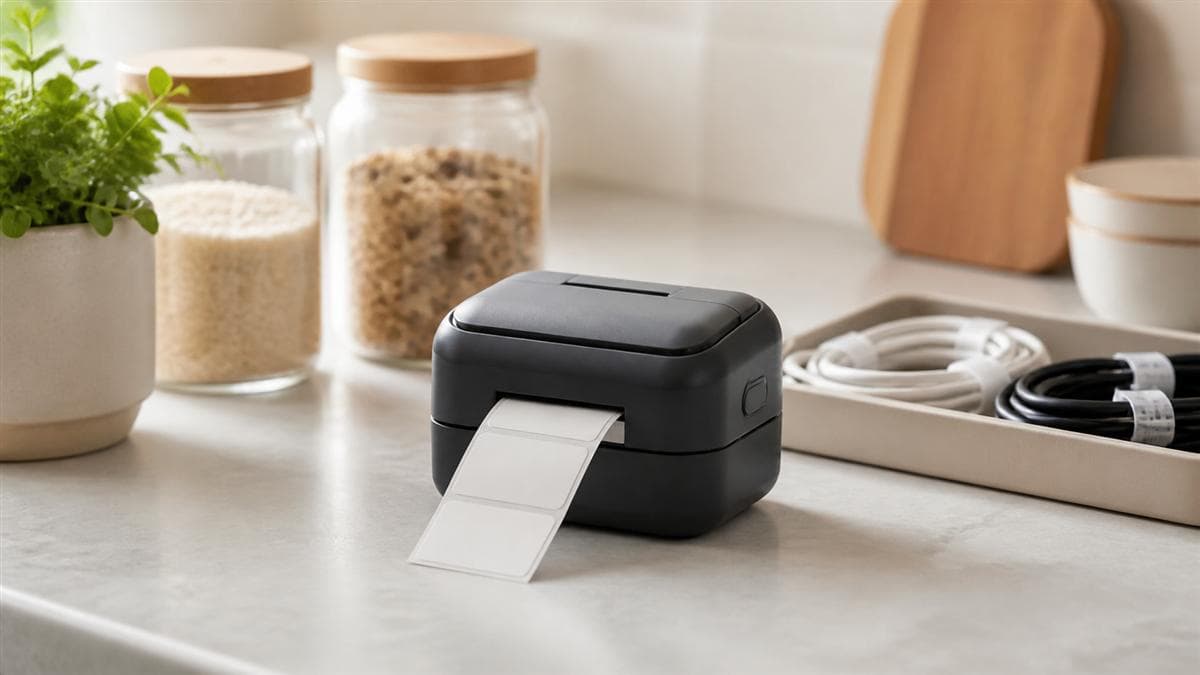
Niimbot Portable Label Printer Review: Is It Actually Worth Using for Everyday Organizing?
A practical look at Niimbot's pocket-sized Bluetooth label printers — what they're genuinely good at, where they fall short, and who should skip them.
Published: August 11, 2026
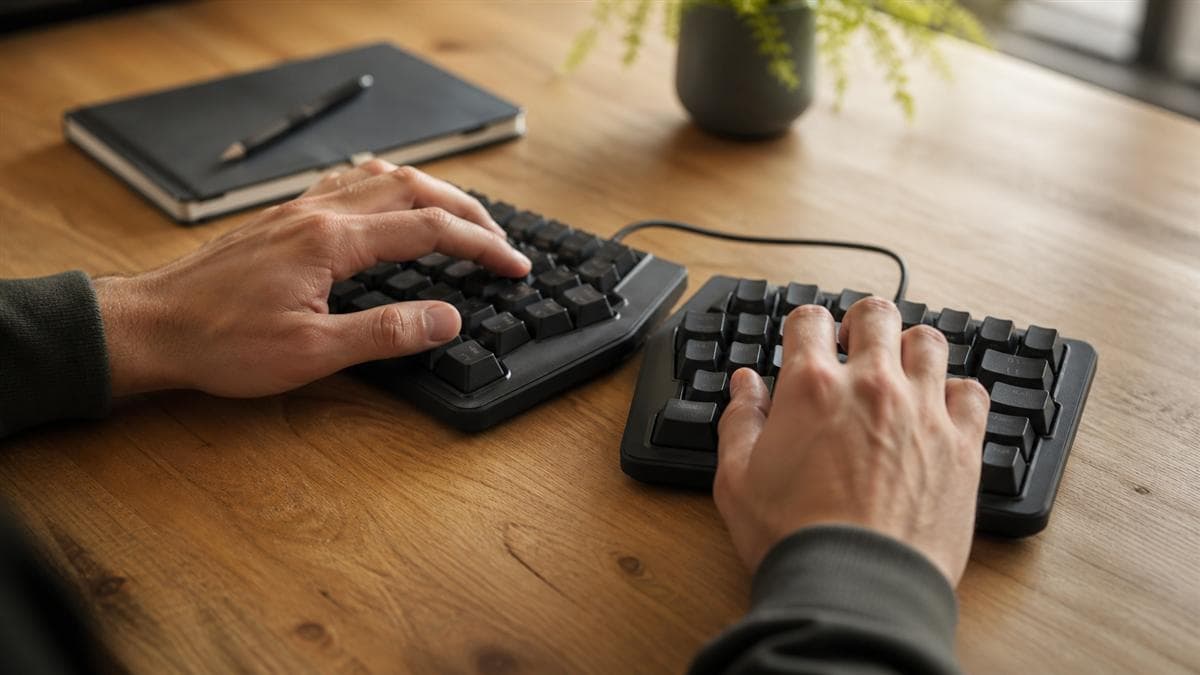
Xbows Mechanical Keyboards Long-Term: What Actually Holds Up After Regular Daily Use
Ergonomic mechanical keyboards get a lot of hype at unboxing. Here's what tends to matter — and what tends to wear — once one becomes your daily driver.
Published: August 11, 2026
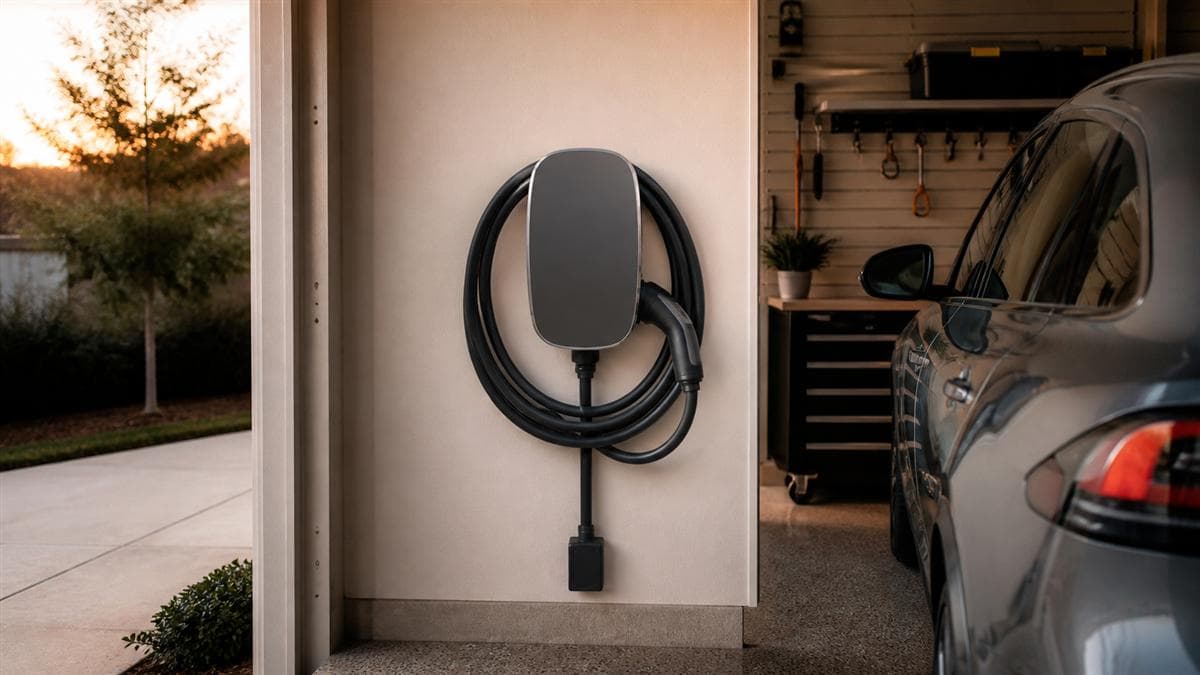
Juice Technology AG EV Chargers Compared: Which Model Actually Fits Your Setup
Juice Technology AG makes several home and portable EV charging options. Here's how the general categories differ so you pick the right one, not the flashiest one.