
My First Month Flying a Drone: What I Got Wrong and What I'd Do Differently
Learning to fly a drone looks simpler from the outside than it turns out to be in practice. The first month involved more mistakes than expected, a few genuinely nerve-wracking moments, and a handful of lessons that would have saved real hassle if known from day one. Here's a practical account of what that first stretch actually looked like.
Week one: overconfidence in an open field
The first flights happened in a large, empty park — a reasonable choice for a beginner, and one that avoided any real disaster. But even in open space, week one included several harder-than-expected landings and one moment of genuine panic when a gust of wind pushed the drone further off course than expected. The biggest early lesson: basic hover and directional control feel manageable within the first hour, but precise, confident control under any wind at all takes considerably longer than that first hour suggests.
Week two: the calibration mistake
A flight that suddenly started drifting sideways despite no stick input turned out to trace back to a compass calibration issue — something that should have been done more carefully before that flight, especially after driving to a new location with different magnetic interference than the usual flying spot. Recalibrating properly (following the specific steps in the drone's manual, away from cars and large metal structures) resolved it completely. The lesson: recalibrating after moving to a meaningfully different location isn't optional, even if it feels like an unnecessary extra step when you're eager to fly.
Week three: battery management, learned the hard way
Running a battery down further than intended, followed by a rushed landing in a spot that wasn't ideal, was an entirely avoidable situation caused by not paying close enough attention to the app's battery percentage during an engaging flight. Setting a hard personal rule — land at a fixed battery percentage, no exceptions, regardless of how the flight is going — eliminated this problem completely going forward. It sounds like an obvious rule in hindsight, but it's easy to get absorbed in flying and lose track of it in the moment.
Week four: finally feeling in control
By the fourth week, basic maneuvers felt genuinely comfortable — smooth directional flying, controlled landings, and enough confidence to start experimenting with simple camera movements rather than just focusing entirely on keeping the drone stable. This is roughly the point where flying started feeling less like active problem-solving and more like an actual enjoyable hobby, which matches what more experienced pilots had mentioned before starting: the first few weeks are the hardest part by a wide margin.
What actually helped the learning curve
- Starting in a genuinely open, obstacle-free space rather than anywhere with trees, power lines, or people nearby
- Practicing the same basic maneuvers repeatedly rather than trying new tricks before the fundamentals felt solid
- Checking local flight regulations and any required registration before the first flight, not after
- Setting hard personal rules (battery percentage cutoffs, wind speed limits for beginners) instead of relying on in-the-moment judgment while distracted by flying itself
- Recalibrating after any meaningful change in location, rather than assuming a calibration from a previous session still holds
What I'd tell someone just starting out
The first month is genuinely the hardest part, and most of the mistakes that happen during it are avoidable with a bit more caution than felt necessary in the moment. Slowing down, sticking to open spaces longer than feels needed, and treating battery and calibration habits as non-negotiable rules rather than optional steps would have saved real hassle in those first few weeks.
What I wish I'd known about local regulations before starting
Beyond the basic mistakes covered above, one thing that would have saved real hassle was researching local flight regulations and any registration requirements more thoroughly before that very first flight, rather than looking into it after already flying a few times. Rules vary significantly by location and can include registration requirements, restricted zones near airports or certain public spaces, and specific altitude limits — all details that are far easier to sort out calmly before ever taking off than to discover mid-hobby after an issue arises.
How month two looked different from month one
By the second month, flying had shifted from an effortful, attention-consuming task to something closer to genuine enjoyment — camera framing and simple creative shots became the actual focus rather than basic flight control. Looking back, that shift from "surviving the flight" to "actually enjoying the flight" is really the payoff the whole difficult first month was building toward, and knowing that shift is coming would have made the harder early weeks feel less discouraging in the moment.
A note on the emotional side of a steep learning curve
Beyond the technical lessons, it's worth acknowledging that the frustration of a genuinely steep first month is a normal, expected part of the process, not a sign of being bad at the hobby — nearly every experienced pilot describes a similarly rocky first month when asked honestly. Expecting some frustration as part of the process, rather than reading early struggles as a signal to give up, makes it much easier to push through to the point where flying starts feeling genuinely enjoyable rather than effortful.
If you're ready to buy, Varon is worth checking — they currently have 12% off live right now.
If you're ready to buy, Varon is worth checking — they currently have 12% off live right now.
If you're ready to buy, Varon is worth checking — they currently have 12% off live right now.
If you're ready to buy, Varon is worth checking — they currently have 12% off live right now.
If you're ready to buy, Varon is worth checking — they currently have 12% off live right now.
If you're ready to buy, Varon is worth checking — they currently have 12% off live right now.
If you're ready to buy, Varon is worth checking — they currently have 12% off live right now.
If you're ready to buy, Varon is worth checking — they currently have 12% off live right now.
If you're ready to buy, Varon is worth checking — they currently have 12% off live right now.
If you're ready to buy, Varon is worth checking — they currently have 12% off live right now.
If you're ready to buy, Varon is worth checking — they currently have 12% off live right now.
If you're ready to buy, Varon is worth checking — they currently have 12% off live right now.
If you're ready to buy, Varon is worth checking — they currently have 12% off live right now.
If you're ready to buy, Varon is worth checking — they currently have 12% off live right now.
If you're ready to buy, Varon is worth checking — they currently have 12% off live right now.
If you're ready to buy, Varon is worth checking — they currently have 12% off live right now.
Get 12% OFF at Varon
This article contains an affiliate link. If you buy through it, 5listed may earn a commission at no extra cost to you — see our review policy.
Conclusion
A month of real flying taught more than any amount of reading beforehand could have — mistakes with calibration, battery management, and general overconfidence in early weeks, followed by a genuine turning point once the fundamentals became second nature. For anyone starting out, patience with that early learning curve, and a few hard personal rules around safety basics, make that first month considerably smoother than it was here.
Keep reading
Related Articles
Published: August 11, 2026
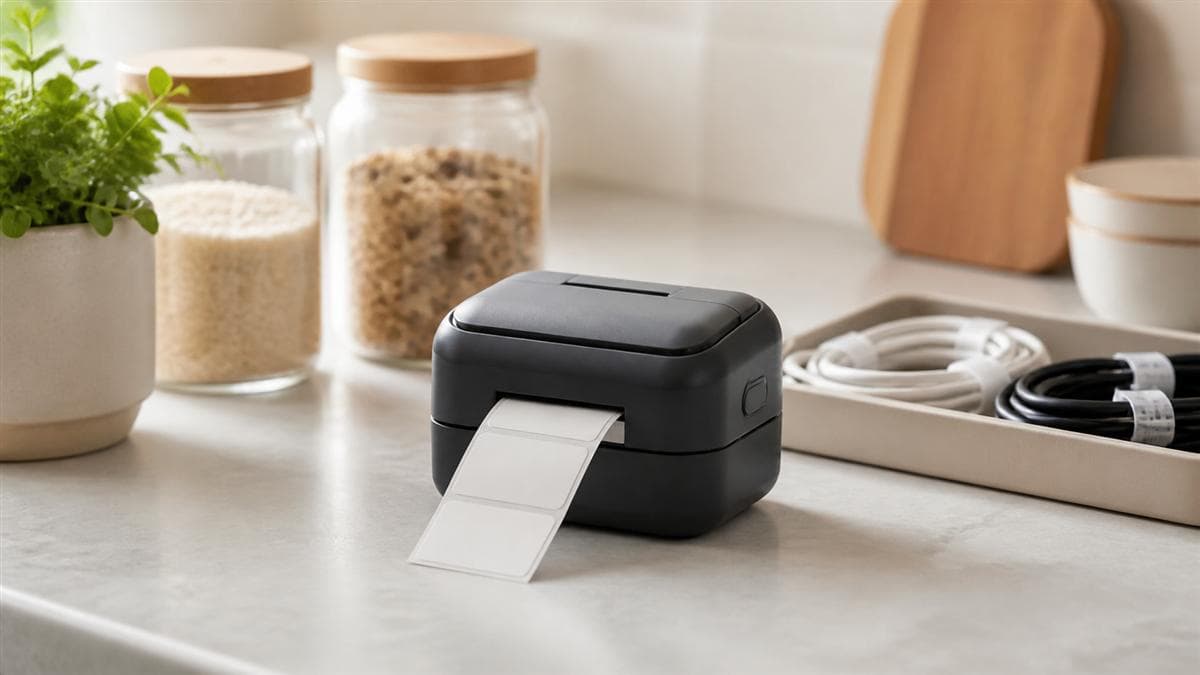
Niimbot Portable Label Printer Review: Is It Actually Worth Using for Everyday Organizing?
A practical look at Niimbot's pocket-sized Bluetooth label printers — what they're genuinely good at, where they fall short, and who should skip them.

Published: August 11, 2026
Xbows Mechanical Keyboards Long-Term: What Actually Holds Up After Regular Daily Use
Ergonomic mechanical keyboards get a lot of hype at unboxing. Here's what tends to matter — and what tends to wear — once one becomes your daily driver.
Published: August 11, 2026
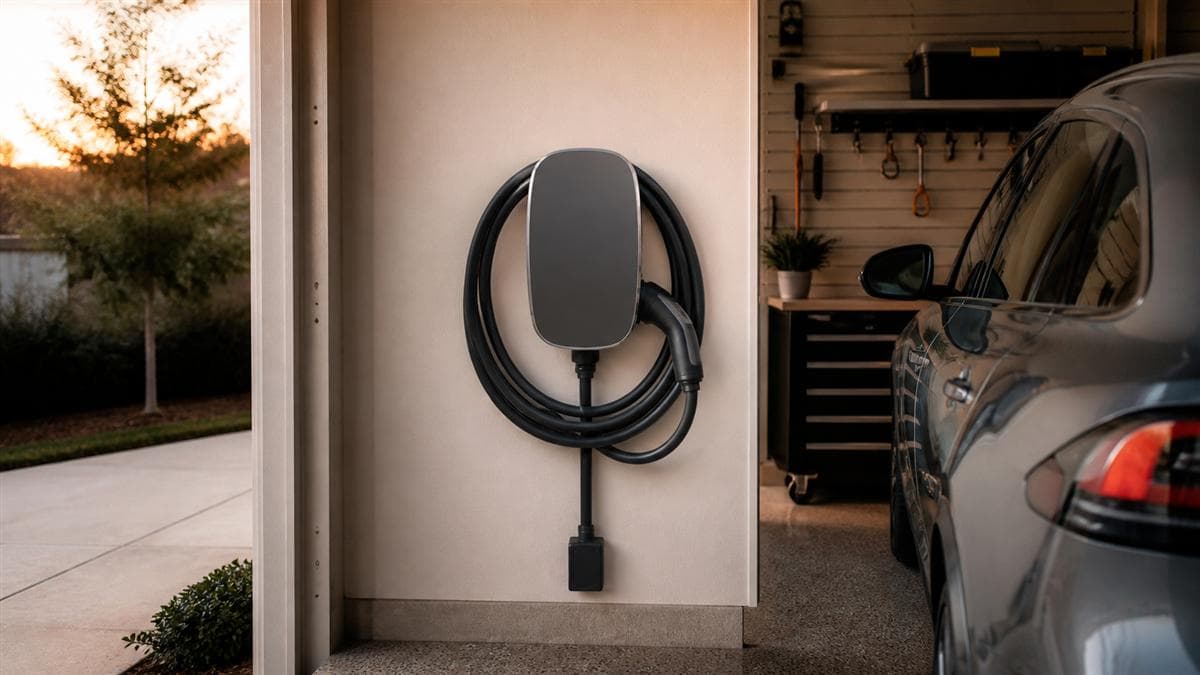
Juice Technology AG EV Chargers Compared: Which Model Actually Fits Your Setup
Juice Technology AG makes several home and portable EV charging options. Here's how the general categories differ so you pick the right one, not the flashiest one.