
A Practical Framework for Choosing Your First Cosplay Costume
Choosing a first cosplay costume is easy to approach purely emotionally — pick a favorite character and go — but a bit more strategic thinking up front leads to a much better first experience. A simple framework built around comfort, budget, skill/effort level, and event practicality helps avoid the most common first-timer regrets.
Step 1: Prioritize comfort for a full-day event
Conventions and cosplay events typically mean hours of walking, standing, sitting on floors for panels, and general activity — a costume that looks stunning in still photos but is genuinely uncomfortable to wear for six-plus hours can turn what should be a fun day into a miserable one. For a first costume specifically, weighting comfort heavily (breathable materials, reasonable mobility, manageable weight) over pure visual complexity is a choice most experienced cosplayers wish they'd made on their first attempt.
Step 2: Set a realistic budget before falling in love with a character
Costume costs vary enormously — a simple, well-chosen character can be assembled affordably, while an elaborate armor-heavy or prop-intensive costume can get expensive fast, especially before you know whether cosplay is a hobby you'll stick with. Setting a budget first, then choosing a character or costume style that fits within it, tends to produce a better first experience than falling in love with an expensive character and either overspending or ending up with a compromised, lower-quality version of it.
Step 3: Match costume complexity to your current skill level
If you're planning to make any part of the costume yourself, an overly ambitious first project (intricate armor, complex wig styling, detailed prop-making) can lead to frustration and an unfinished costume by event day. Choosing a character with simpler construction requirements for a first attempt, and saving more elaborate builds for after you've got a completed project or two under your belt, sets a much more achievable goal.
Step 4: Think about practical event logistics
- Can you comfortably use the restroom in this costume without major disassembly?
- Does the costume fit through doorways and standard convention aisles without catching or being cumbersome?
- Is there a plan for costume repairs at the event (a small kit for common issues like loose seams or props)?
- Does the venue have any specific prop weapon policies that affect a character requiring a large or realistic-looking prop?
- How will you transport the costume to the event without damaging delicate elements?
Step 5: Decide between buying, commissioning, or making it yourself
Each path has real tradeoffs — buying a pre-made costume is fastest and most predictable in outcome but offers less personalization; commissioning gives more customization with less personal effort but at a higher cost; making it yourself is the most involved but builds real skill and tends to be the most rewarding if it goes well. For a first costume, being honest about your available time, budget, and current skill level should drive this decision more than which option feels most "authentic" to the hobby.
Considering the character's popularity and how it affects your experience
A widely recognized, popular character generally means easier community engagement, more people to photograph with, and often more readily available reference materials and community guidance for construction — genuinely helpful factors for a first costume. A more obscure or original character choice can be personally meaningful but comes with less community support and fewer existing references to work from, which matters more for a first-timer relying on community knowledge than for someone with more established skills and confidence working independently.
Planning for the actual day-of experience, not just costume construction
Beyond building or acquiring the costume itself, planning the practical logistics of an actual event day — how you'll travel to the venue in costume, where you'll change if needed, how you'll manage the costume during meals — prevents a lot of day-of stress that has nothing to do with the costume's construction quality. First-time cosplayers who plan thoroughly for construction but not for these practical day-of logistics often find these overlooked details cause more actual frustration on event day than anything related to the costume build itself.
Setting a realistic timeline before the event, not just a budget
Beyond financial budgeting, setting a realistic time budget — accounting for potential delays in shipping, construction setbacks, or simply underestimating how long a task will take — protects against the common first-timer experience of a rushed, stressful final week before an event. Building in real buffer time before the actual event date, rather than planning to finish exactly on the deadline, is one of the most valuable but least glamorous parts of planning a first costume well.
Learning from the broader cosplay community's first-costume stories
Many experienced cosplayers openly share their own first-costume mistakes and lessons online, and reading a handful of these firsthand accounts before starting a first project often surfaces practical, specific pitfalls that a general framework like this one can't fully anticipate.
Considering weather and venue conditions specifically
An indoor convention hall and an outdoor summer event impose very different practical demands on a costume — checking the specific venue and likely weather conditions before finalizing a costume choice avoids discovering a beautiful but genuinely uncomfortable mismatch on event day itself.
If you're ready to buy, Sky cosplay is worth checking — they currently have 7% off live right now.
If you're ready to buy, Sky cosplay is worth checking — they currently have 7% off live right now.
If you're ready to buy, Sky cosplay is worth checking — they currently have 7% off live right now.
If you're ready to buy, Sky cosplay is worth checking — they currently have 7% off live right now.
If you're ready to buy, Sky cosplay is worth checking — they currently have 7% off live right now.
If you're ready to buy, Sky cosplay is worth checking — they currently have 7% off live right now.
If you're ready to buy, Sky cosplay is worth checking — they currently have 7% off live right now.
If you're ready to buy, Sky cosplay is worth checking — they currently have 7% off live right now.
If you're ready to buy, Sky cosplay is worth checking — they currently have 7% off live right now.
If you're ready to buy, Sky cosplay is worth checking — they currently have 7% off live right now.
If you're ready to buy, Sky cosplay is worth checking — they currently have 7% off live right now.
If you're ready to buy, Sky cosplay is worth checking — they currently have 7% off live right now.
If you're ready to buy, Sky cosplay is worth checking — they currently have 7% off live right now.
If you're ready to buy, Sky cosplay is worth checking — they currently have 7% off live right now.
If you're ready to buy, Sky cosplay is worth checking — they currently have 7% off live right now.
If you're ready to buy, Sky cosplay is worth checking — they currently have 7% off live right now.
Get 7% OFF at Sky cosplay
This article contains an affiliate link. If you buy through it, 5listed may earn a commission at no extra cost to you — see our review policy.
Conclusion
A great first cosplay experience comes down to comfort, a realistic budget, matching complexity to your current skill level, and thinking through event-day logistics before committing to a character. Starting with a manageable, well-chosen first costume — rather than the most ambitious one you can imagine — sets up a genuinely fun first event and a foundation to build more ambitious projects from later.
Keep reading
Related Articles
Published: August 11, 2026
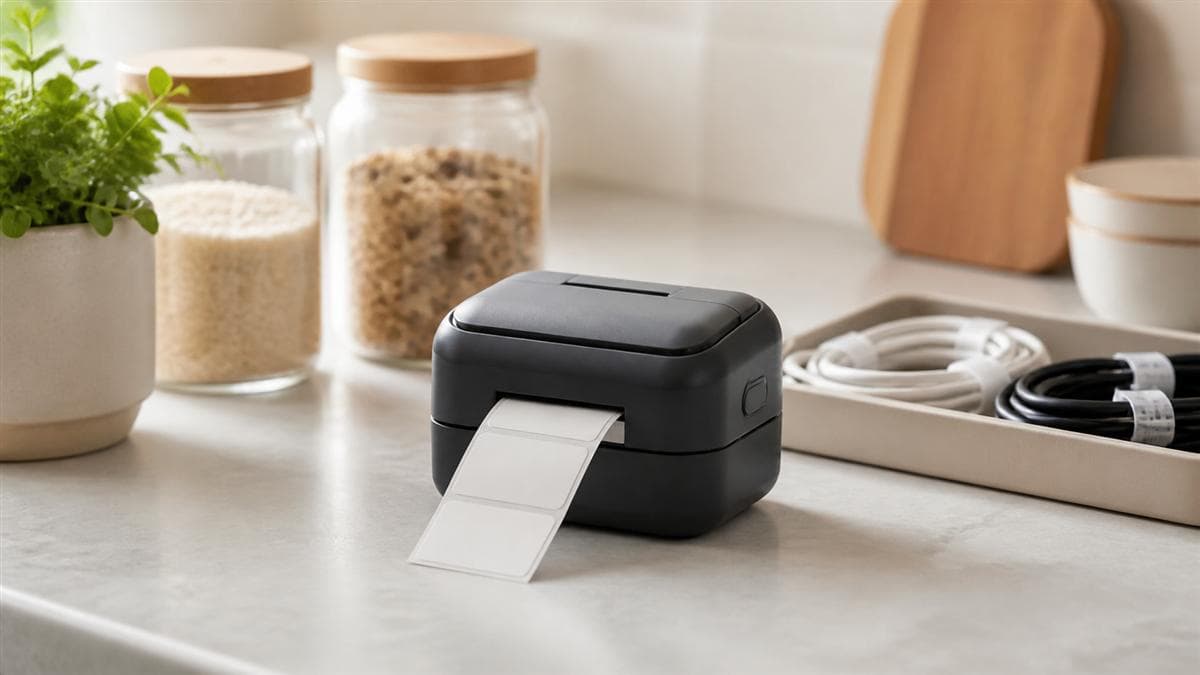
Niimbot Portable Label Printer Review: Is It Actually Worth Using for Everyday Organizing?
A practical look at Niimbot's pocket-sized Bluetooth label printers — what they're genuinely good at, where they fall short, and who should skip them.
Published: August 11, 2026
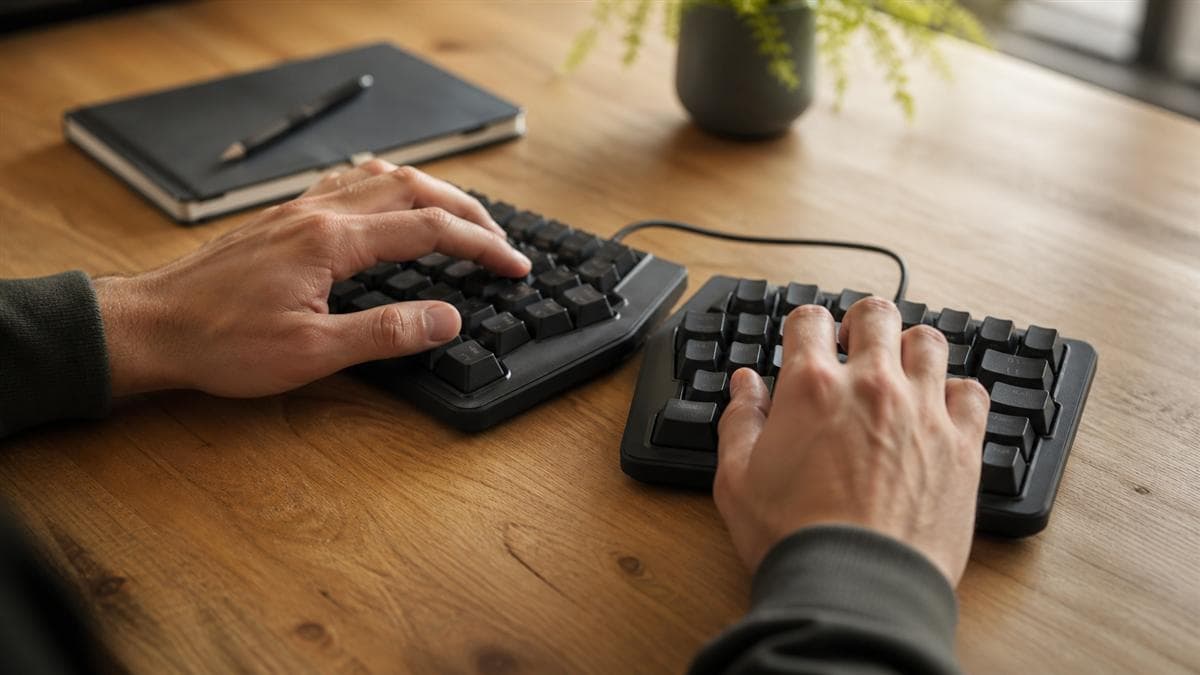
Xbows Mechanical Keyboards Long-Term: What Actually Holds Up After Regular Daily Use
Ergonomic mechanical keyboards get a lot of hype at unboxing. Here's what tends to matter — and what tends to wear — once one becomes your daily driver.
Published: August 11, 2026
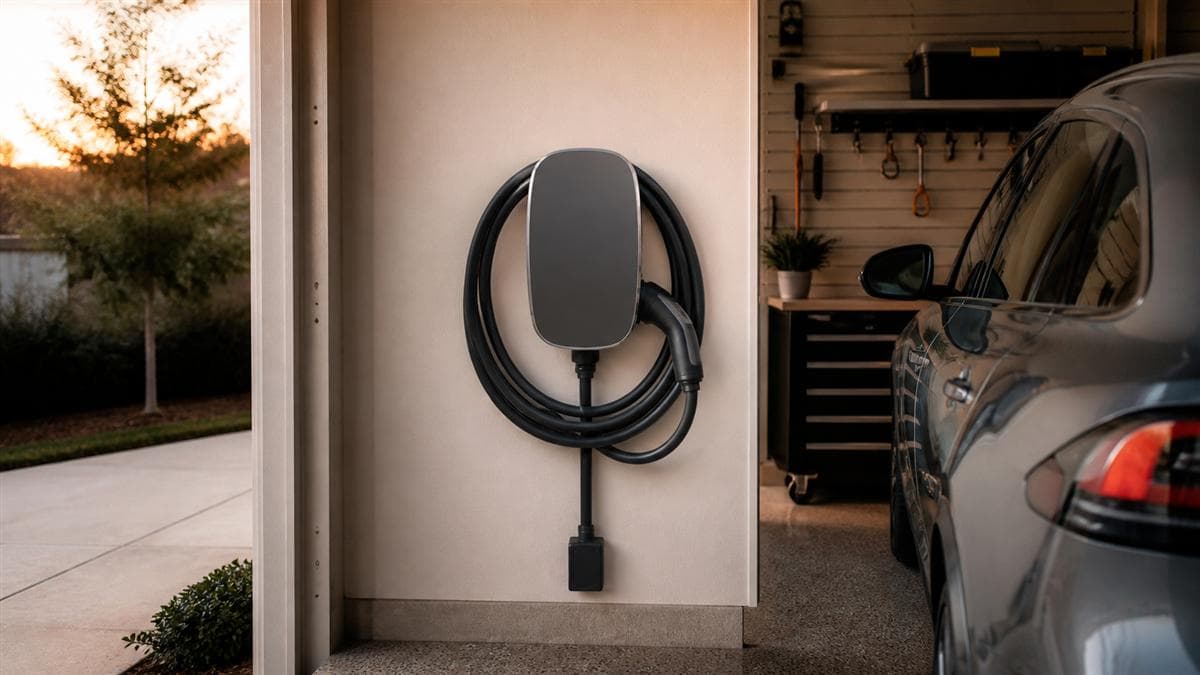
Juice Technology AG EV Chargers Compared: Which Model Actually Fits Your Setup
Juice Technology AG makes several home and portable EV charging options. Here's how the general categories differ so you pick the right one, not the flashiest one.