
The Best Snack Type for Your Specific Situation (Desk, Travel, or Lunchbox)
"Best snack" is a meaningless question without context — a snack that's great at a desk can be impractical for travel, and a snack perfect for a lunchbox can be a poor fit for a long commute. Matching snack choice to the actual situation makes a bigger practical difference than most people think about.
For the desk: mess-free and quiet matters more than people admit
Desk snacking happens during calls, focused work, and shared office spaces, which makes low-mess, relatively quiet-to-eat snacks genuinely more practical than louder, crunchier, or messier options — regardless of taste preference. Individually portioned options also help avoid the "finish the whole bag while working" pattern that's easy to fall into when a snack is sitting open at a desk all day with no natural stopping point.
For travel: shelf stability and crush resistance
Travel snacking has its own practical constraints — temperature swings in a car or bag, potential crushing from other items packed alongside it, and often no refrigeration access for extended periods. Shelf-stable options that can handle being tossed in a bag without turning to crumbs, and that don't require any special storage, hold up much better for travel than something delicate or perishable that seemed fine at home but doesn't survive a full day of travel conditions.
For kids' lunchboxes: balance, portion, and reheating reality
Lunchbox snacking has different constraints entirely — no reheating in most school settings, several hours between packing and eating (meaning insulation or shelf-stability matters), and often specific school policies around allergens or ingredients that vary by school. Choosing snacks that hold up well at room temperature for several hours, fit realistic portion sizes for the age group, and align with any known school policies matters more here than at a desk or during travel, where those specific constraints don't apply.
For post-workout or active situations
Snacking around physical activity has its own different set of priorities — something that's easy to eat quickly, doesn't sit heavy, and ideally supports recovery, rather than the mess-free or shelf-stable priorities that matter more in other contexts. What works well at a desk (something you can nibble slowly over an hour) is often a poor fit here, where quick, easy digestion matters more than slow, mess-free consumption.
A quick situational matching guide
- Desk/work: low-mess, relatively quiet, individually portioned to avoid mindless over-consumption during focused work
- Travel: shelf-stable, crush-resistant, no refrigeration required, holds up to temperature swings
- Kids' lunchboxes: room-temperature stable for several hours, age-appropriate portions, mindful of specific school policies
- Active/post-workout: quick to eat, easy to digest, doesn't require careful unwrapping or eating slowly
The real mistake: buying one snack type for every situation
It's convenient to buy in bulk and use the same snack for every context, but that convenience often means the snack is a mediocre fit for at least some of those situations — great for the desk but crumbly and messy for travel, for instance. Keeping a couple of different snack types on hand, matched to their actual best-fit situation, tends to lead to less waste and more actual satisfaction than a one-size-fits-all approach.
For social situations and sharing
Snacking in a group or social setting has its own distinct priorities — shareable formats, broadly appealing flavors that accommodate different preferences within a group, and packaging that makes portioning out to multiple people easy rather than awkward. This differs meaningfully from the individually-portioned, personal-preference-driven choices that work well for solo situations like a desk or a commute, where broad appeal matters far less than your own specific taste.
Considering dietary restrictions across different group situations
When snacks are being shared across a group — a classroom, an office, a family gathering — checking for common dietary restrictions and allergen concerns within that specific group becomes a genuine practical consideration beyond just matching the situation's general constraints (mess, portability, shelf stability). Keeping a couple of allergen-conscious options on hand for group settings specifically, separate from your own personal everyday snack choices, avoids excluding anyone unexpectedly from a shared snacking moment.
How climate and season affect snack choice within any situation
Beyond the situational factors already discussed, temperature and season affect which snacks hold up well — anything with chocolate or certain coatings can melt in a hot car or a warm bag during summer travel, while some snacks marketed as ideal for one season perform noticeably worse in a different climate. Factoring in current weather conditions alongside the core situational matching already covered rounds out a genuinely practical snack choice for any given day.
How portion awareness differs by situation
Some situations naturally encourage portion awareness (a pre-portioned lunchbox item) while others make mindless over-consumption easier (an open bag at a desk during a long, unstructured work session) — being aware of which situations carry this risk helps choose packaging and portioning that supports better habits in each specific context.
A final practical tip: keeping backup options on hand
Keeping one shelf-stable backup snack in each relevant location — desk, car, bag — for days when the ideal situational choice isn't available covers the gaps this matching approach can't fully anticipate, without requiring perfect planning every single day.
If you're ready to buy, Rosies chips is worth checking — they currently have 15% off with code WELCOME15 live right now.
If you're ready to buy, Rosies chips is worth checking — they currently have 15% off with code WELCOME15 live right now.
If you're ready to buy, Rosies chips is worth checking — they currently have 15% off with code WELCOME15 live right now.
If you're ready to buy, Rosies chips is worth checking — they currently have 15% off with code WELCOME15 live right now.
If you're ready to buy, Rosies chips is worth checking — they currently have 15% off with code WELCOME15 live right now.
If you're ready to buy, Rosies chips is worth checking — they currently have 15% off with code WELCOME15 live right now.
If you're ready to buy, Rosies chips is worth checking — they currently have 15% off with code WELCOME15 live right now.
If you're ready to buy, Rosies chips is worth checking — they currently have 15% off with code WELCOME15 live right now.
If you're ready to buy, Rosies chips is worth checking — they currently have 15% off with code WELCOME15 live right now.
If you're ready to buy, Rosies chips is worth checking — they currently have 15% off with code WELCOME15 live right now.
If you're ready to buy, Rosies chips is worth checking — they currently have 15% off with code WELCOME15 live right now.
If you're ready to buy, Rosies chips is worth checking — they currently have 15% off with code WELCOME15 live right now.
If you're ready to buy, Rosies chips is worth checking — they currently have 15% off with code WELCOME15 live right now.
If you're ready to buy, Rosies chips is worth checking — they currently have 15% off with code WELCOME15 live right now.
If you're ready to buy, Rosies chips is worth checking — they currently have 15% off with code WELCOME15 live right now.
If you're ready to buy, Rosies chips is worth checking — they currently have 15% off with code WELCOME15 live right now.
Get 15% OFF at Rosies chips
Use code WELCOME15 at checkout
This article contains an affiliate link. If you buy through it, 5listed may earn a commission at no extra cost to you — see our review policy.
Conclusion
The right snack depends far more on the situation — desk, travel, lunchbox, active use — than on taste preference alone, since each context has its own real practical constraints around mess, shelf stability, portioning, and timing. Matching snack choice to the actual situation, rather than defaulting to one type for everything, leads to a noticeably better fit across all of them.
Keep reading
Related Articles
Published: August 11, 2026
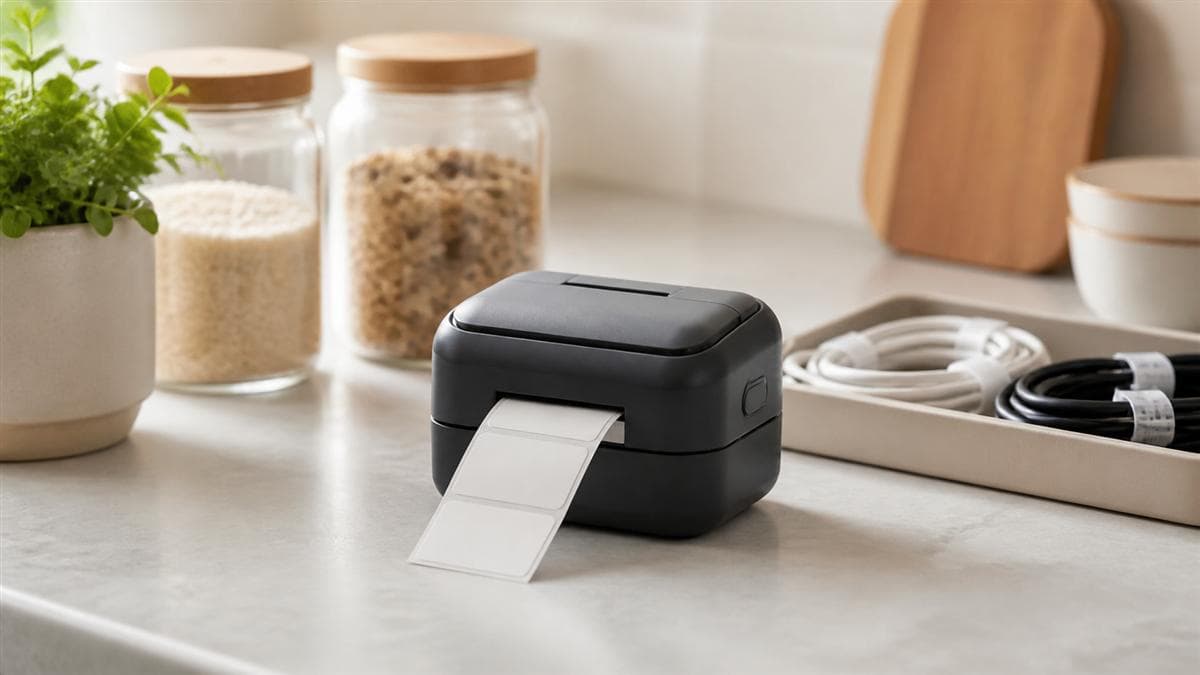
Niimbot Portable Label Printer Review: Is It Actually Worth Using for Everyday Organizing?
A practical look at Niimbot's pocket-sized Bluetooth label printers — what they're genuinely good at, where they fall short, and who should skip them.
Published: August 11, 2026
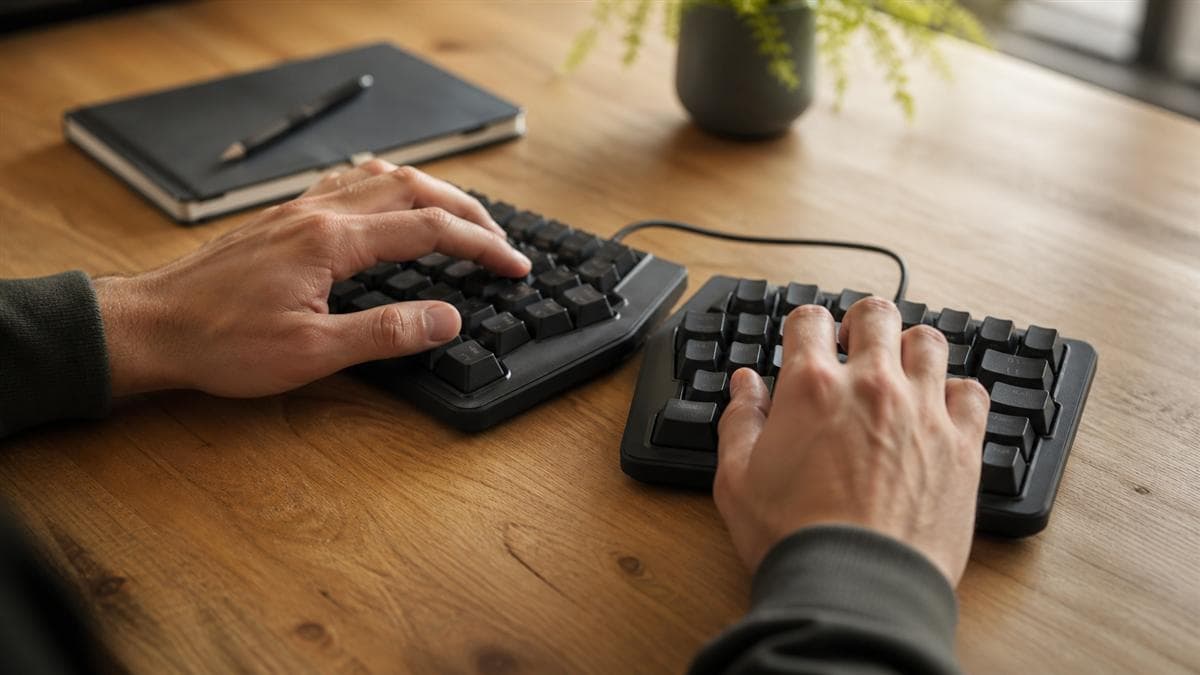
Xbows Mechanical Keyboards Long-Term: What Actually Holds Up After Regular Daily Use
Ergonomic mechanical keyboards get a lot of hype at unboxing. Here's what tends to matter — and what tends to wear — once one becomes your daily driver.

Published: August 11, 2026
Juice Technology AG EV Chargers Compared: Which Model Actually Fits Your Setup
Juice Technology AG makes several home and portable EV charging options. Here's how the general categories differ so you pick the right one, not the flashiest one.