
Building a Home Tea Collection: What to Buy First at Every Budget Level
A genuinely enjoyable home tea collection doesn't need to be built all at once, and starting with the wrong priorities — expensive rare teas before basic quality equipment, for instance — often leads to a less satisfying experience than a more deliberate, staged approach.
Tier 1 (starter budget): one genuinely good everyday tea and basic equipment
At this stage, prioritize one or two well-made, versatile everyday teas (a solid green tea and a solid black tea cover a lot of ground) over trying several lower-quality options at once, plus the most basic equipment — a simple infuser or strainer and a kettle that lets you control temperature reasonably well. A smaller collection of genuinely good tea and functional basic equipment delivers more actual enjoyment than a larger collection of mediocre tea brewed with inadequate equipment.
Tier 2 (modest budget): expand variety, upgrade water quality tools
Once the basics feel solid, this is a reasonable point to add tea variety — an herbal tisane, an oolong, or a different regional style — and to consider a water filter if your tap water has a strong taste that affects brewing quality. Water quality is an easy factor to overlook, but it genuinely affects how good even excellent tea tastes, and this tier is where addressing it starts to pay off.
Tier 3 (moderate budget): dedicated brewing vessels
A dedicated teapot or gaiwan suited to a specific tea style you've come to enjoy most (rather than one generic all-purpose vessel for everything) starts to make a real, noticeable difference at this stage. Many enthusiasts find that a vessel truly suited to a specific tea type improves the brewing experience more than simply buying more varieties of tea at this point in the collection's development.
Tier 4 (larger budget): specialty and rare teas, refined equipment
With solid everyday basics, good variety, and proper equipment already established, this tier is where exploring specialty, single-origin, or rarer teas genuinely makes sense — at this stage, you have the palate experience and proper equipment to actually appreciate the differences a specialty tea offers, rather than "wasting" a rare tea's nuance on an underdeveloped palate or inadequate brewing setup.
Why this order matters more than it might seem
Buying an expensive, delicate specialty tea before developing a basic palate for everyday tea (or before having proper equipment to brew it well) often leads to disappointment — either the tea doesn't taste noticeably different from a cheaper option to an undeveloped palate, or improper brewing equipment fails to bring out what actually makes it special. Building the foundation first means later, pricier purchases are far more likely to deliver genuine, appreciable enjoyment.
A quick reference by tier
- Tier 1: one or two solid everyday teas, basic infuser/strainer, a temperature-controllable kettle
- Tier 2: expand tea variety, address water quality if needed
- Tier 3: a dedicated brewing vessel matched to your most-enjoyed tea style
- Tier 4: specialty and rarer teas, refined or specialized equipment
How seasonal tea preferences might shift your tier priorities
Tea preferences often shift somewhat with the seasons — lighter, more delicate teas in warmer months, richer or more warming blends in colder months — and being aware of this natural seasonal variation can inform which varieties to prioritize when expanding at tier 2, rather than building a static collection that doesn't account for how your own preferences might genuinely change across the year. This is worth factoring in especially once a collection reaches the variety-expansion stage, where seasonal awareness can guide which new teas are actually likely to get used regularly.
Sharing and gifting from a growing collection
As a tea collection matures into tier 3 and 4, it often becomes a natural source of thoughtful gifts for other tea-curious friends or family — sharing a smaller sample of a favorite tier 3 or 4 tea is a low-cost way to introduce someone else to the hobby, and can be a rewarding part of a maturing collection beyond personal consumption alone. This social dimension isn't necessary to enjoy a tea collection, but it's a genuine, often-overlooked benefit of building one thoughtfully over time.
How to know when you've genuinely outgrown a tier
Rather than a fixed spending threshold, a more reliable signal for moving to the next tier is whether the current tier's teas and equipment still feel genuinely satisfying in daily use, or whether curiosity about trying something more is becoming a persistent, specific interest rather than a vague, generic desire to spend more. Moving tiers based on genuine developed interest, rather than an arbitrary budget milestone, tends to produce a collection that grows in a way that actually matches real developing taste.
How gifting fits into building someone else's tea collection
When helping someone else start a tea collection as a gift-giver, following this same tiered logic — solid basics before specialty items — tends to produce a more genuinely appreciated and used gift than an impressive but premature specialty tea gifted to someone still early in developing their palate and routine.
If you're ready to buy, Genuine essiac is worth checking — they currently have 15% off with code HIEN10 live right now.
If you're ready to buy, Genuine essiac is worth checking — they currently have 15% off with code HIEN10 live right now.
If you're ready to buy, Genuine essiac is worth checking — they currently have 15% off with code HIEN10 live right now.
If you're ready to buy, Genuine essiac is worth checking — they currently have 15% off with code HIEN10 live right now.
If you're ready to buy, Genuine essiac is worth checking — they currently have 15% off with code HIEN10 live right now.
If you're ready to buy, Genuine essiac is worth checking — they currently have 15% off with code HIEN10 live right now.
If you're ready to buy, Genuine essiac is worth checking — they currently have 15% off with code HIEN10 live right now.
If you're ready to buy, Genuine essiac is worth checking — they currently have 15% off with code HIEN10 live right now.
If you're ready to buy, Genuine essiac is worth checking — they currently have 15% off with code HIEN10 live right now.
If you're ready to buy, Genuine essiac is worth checking — they currently have 15% off with code HIEN10 live right now.
If you're ready to buy, Genuine essiac is worth checking — they currently have 15% off with code HIEN10 live right now.
If you're ready to buy, Genuine essiac is worth checking — they currently have 15% off with code HIEN10 live right now.
If you're ready to buy, Genuine essiac is worth checking — they currently have 15% off with code HIEN10 live right now.
If you're ready to buy, Genuine essiac is worth checking — they currently have 15% off with code HIEN10 live right now.
If you're ready to buy, Genuine essiac is worth checking — they currently have 15% off with code HIEN10 live right now.
If you're ready to buy, Genuine essiac is worth checking — they currently have 15% off with code HIEN10 live right now.
Get 15% OFF at Genuine essiac
Use code HIEN10 at checkout
This article contains an affiliate link. If you buy through it, 5listed may earn a commission at no extra cost to you — see our review policy.
Conclusion
A home tea collection grows best in stages — solid everyday basics and functional equipment first, then variety, then dedicated equipment, and only then specialty or rare teas. This order builds genuine appreciation and proper brewing skill along the way, so later, pricier purchases actually deliver the enjoyment they're capable of rather than being wasted on an underdeveloped palate or setup.
Keep reading
Related Articles
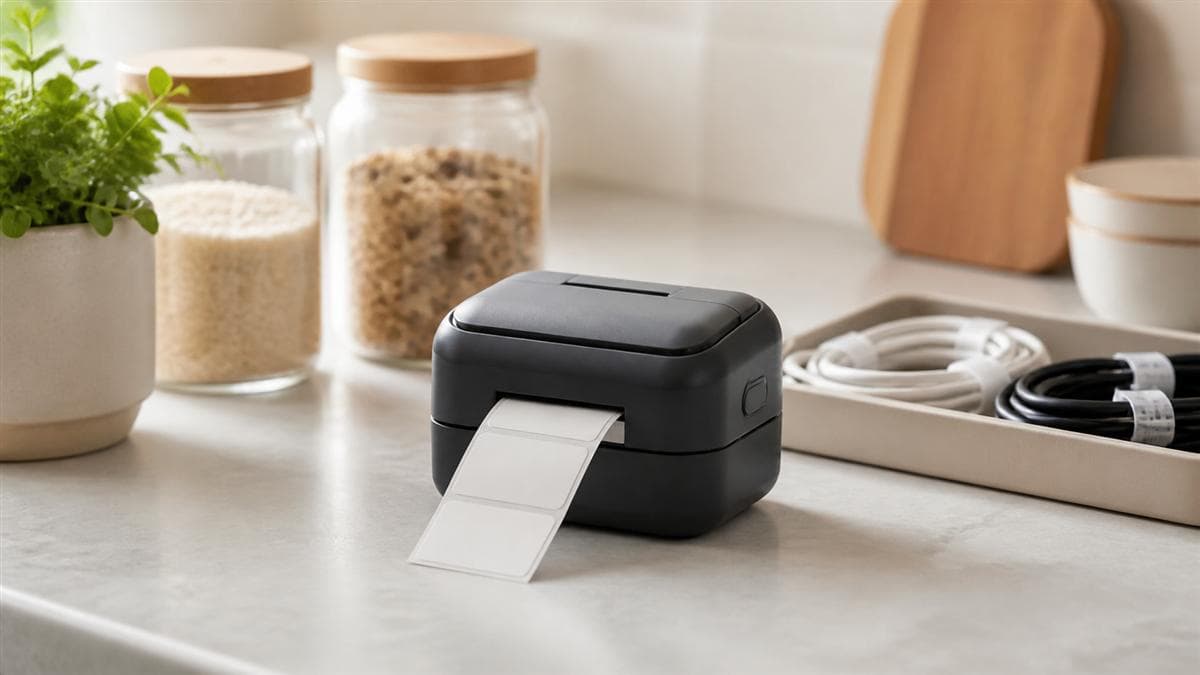
Published: August 11, 2026
Niimbot Portable Label Printer Review: Is It Actually Worth Using for Everyday Organizing?
A practical look at Niimbot's pocket-sized Bluetooth label printers — what they're genuinely good at, where they fall short, and who should skip them.
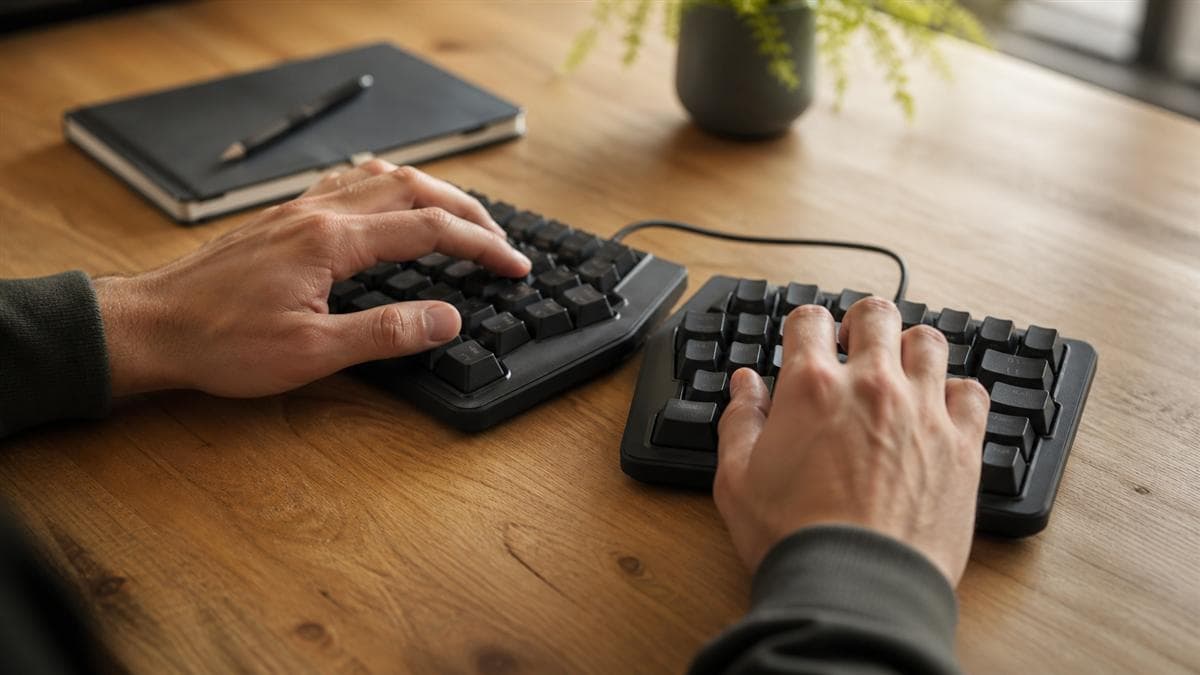
Published: August 11, 2026
Xbows Mechanical Keyboards Long-Term: What Actually Holds Up After Regular Daily Use
Ergonomic mechanical keyboards get a lot of hype at unboxing. Here's what tends to matter — and what tends to wear — once one becomes your daily driver.
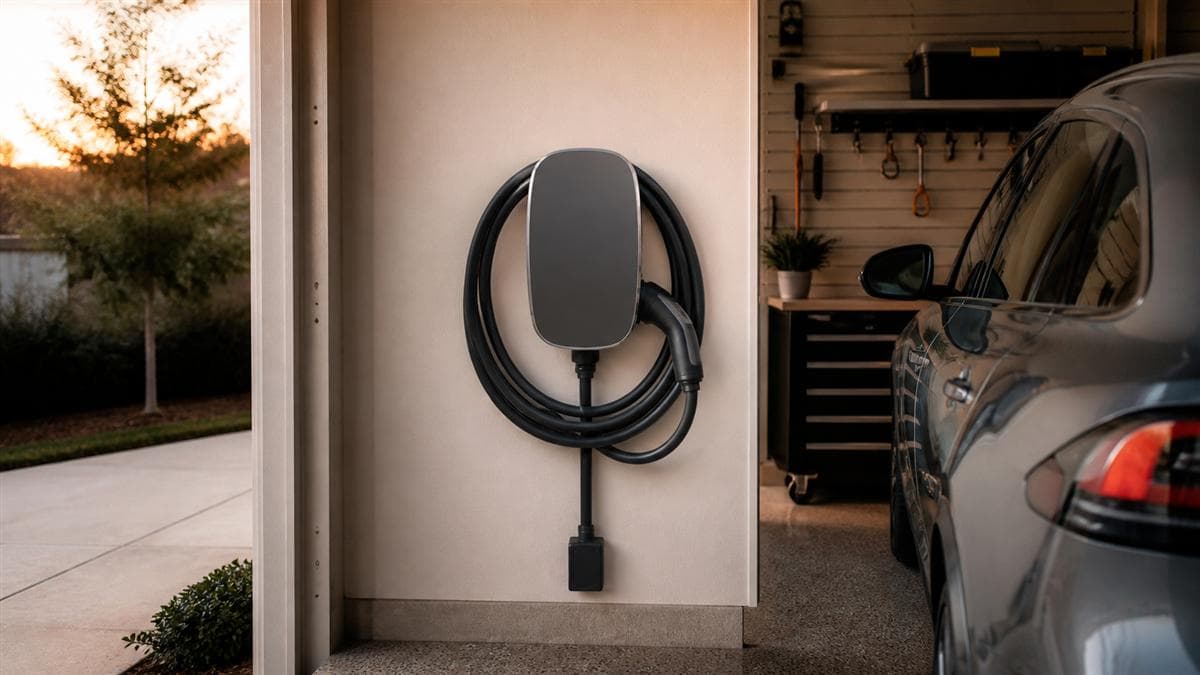
Published: August 11, 2026
Juice Technology AG EV Chargers Compared: Which Model Actually Fits Your Setup
Juice Technology AG makes several home and portable EV charging options. Here's how the general categories differ so you pick the right one, not the flashiest one.