
Buy, Rent, or Borrow: What Makes Sense for a Laser Leveling Tool?
A laser leveling tool makes a genuine difference for tasks like hanging pictures in a straight line, installing shelving, or larger projects like tiling and cabinetry — but not everyone uses one often enough to justify owning one outright. Working through actual usage frequency, project scale, and precision needs clarifies which option makes the most sense.
When buying makes sense
If home projects requiring leveling come up regularly — an ongoing series of DIY projects, a household that does a lot of its own installation and improvement work — owning a laser level pays for itself in convenience and avoiding repeated rental trips or scheduling around a borrowed tool's availability. Buying also means the tool is available on your own schedule for smaller, spontaneous tasks (a single picture frame, a quick shelf) that wouldn't justify a rental trip on their own.
When renting makes more sense
For a single larger project — a full room of shelving, a significant tiling job — that isn't part of an ongoing pattern of DIY work, renting a laser level for the specific days needed avoids paying for a tool that would otherwise sit unused for most of the year afterward. Rental costs for a single project are almost always lower than a full purchase price, making this the more cost-effective choice for genuinely one-off or infrequent needs.
When borrowing is worth considering
If you know someone — a neighbor, family member, friend — who owns a laser level and doesn't use it often, borrowing avoids both purchase and rental costs entirely for an occasional project. The tradeoff is scheduling around someone else's availability and tool condition, which matters more for a time-sensitive project than a flexible one with no hard deadline.
Matching precision needs to the tool tier
Laser levels vary significantly in precision and features — a basic model suits simple tasks like picture-hanging and basic shelving, while more demanding projects (larger-scale construction, precise tiling across a big area) benefit from a more advanced, more precise model. If renting or borrowing for a specific demanding project, checking that the specific tool's precision rating actually matches the project's real requirements matters more than it would for a basic task where nearly any laser level performs adequately.
A practical decision framework
- Regular ongoing DIY projects, multiple times a year: buying makes financial and convenience sense
- A single larger project, not part of an ongoing pattern: renting is usually the more cost-effective choice
- An occasional, flexible-timeline project with an available lender: borrowing avoids cost entirely, if scheduling allows
- A demanding, precision-critical project: confirm the specific tool (rented, borrowed, or bought) actually meets the project's precision requirements, regardless of acquisition method
Understanding rental logistics and typical costs
Rental costs for laser levels are typically charged daily or by a multi-day period, and it's worth checking a specific rental provider's policies on what happens if a project runs longer than initially planned, since project delays are common and unexpectedly extending a rental can sometimes cost more than a slightly longer initial rental period booked upfront. Confirming return logistics and any late-return fees before committing to a rental period avoids an unpleasant surprise if a project takes longer than the optimistic initial estimate.
What if I need one only once but might need it again someday?
For a genuinely uncertain future need — you're not sure if you'll need a laser level again but suspect you might eventually take on another project — a lower-cost basic model purchase can sometimes make more sense than repeated rentals over time, even if current need is limited to a single project. Comparing the cost of one rental against a basic purchase price, and being honest about the actual likelihood of a future project materializing, helps decide whether "just in case" ownership is worth the upfront cost compared to renting again if and when a future need actually arises.
Checking tool condition carefully when renting or borrowing
A rented or borrowed laser level's calibration accuracy isn't always guaranteed the way a new purchase's would be — a quick accuracy check against a known level surface before starting a precision-dependent project, when renting or borrowing rather than buying new, catches a miscalibrated unit before it causes an error in the actual project, which can be considerably more costly to fix than the tool itself.
How multi-day projects change the rental math
For a project spanning several non-consecutive days, checking whether a rental provider offers a flexible multi-day or weekly rate, rather than paying for consecutive daily rentals covering idle days in between, can meaningfully change which option — buying or renting — actually works out cheaper for that specific project timeline.
A final practical note on insurance for rented equipment
Checking whether a rental agreement includes basic damage coverage, or whether separate insurance is recommended, avoids an unexpected liability if a rented tool is accidentally damaged during a home project — a detail worth clarifying before signing any rental agreement.
A closing note on checking tool availability before finalizing project timing
Confirming a specific rental unit is actually available on your intended project dates, rather than assuming availability, avoids a last-minute scramble that could delay an otherwise well-planned project timeline.
If you're ready to buy, Varon is worth checking — they currently have 12% off live right now.
If you're ready to buy, Varon is worth checking — they currently have 12% off live right now.
If you're ready to buy, Varon is worth checking — they currently have 12% off live right now.
If you're ready to buy, Varon is worth checking — they currently have 12% off live right now.
If you're ready to buy, Varon is worth checking — they currently have 12% off live right now.
If you're ready to buy, Varon is worth checking — they currently have 12% off live right now.
If you're ready to buy, Varon is worth checking — they currently have 12% off live right now.
If you're ready to buy, Varon is worth checking — they currently have 12% off live right now.
If you're ready to buy, Varon is worth checking — they currently have 12% off live right now.
If you're ready to buy, Varon is worth checking — they currently have 12% off live right now.
If you're ready to buy, Varon is worth checking — they currently have 12% off live right now.
If you're ready to buy, Varon is worth checking — they currently have 12% off live right now.
If you're ready to buy, Varon is worth checking — they currently have 12% off live right now.
If you're ready to buy, Varon is worth checking — they currently have 12% off live right now.
If you're ready to buy, Varon is worth checking — they currently have 12% off live right now.
If you're ready to buy, Varon is worth checking — they currently have 12% off live right now.
Get 12% OFF at Varon
This article contains an affiliate link. If you buy through it, 5listed may earn a commission at no extra cost to you — see our review policy.
Conclusion
Whether to buy, rent, or borrow a laser level comes down mostly to how often you'll genuinely use one — regular DIY activity favors buying, a single larger project favors renting, and an occasional flexible project favors borrowing if a lender is available. Matching the decision to actual, honest usage frequency rather than a hypothetical future need avoids both an underused purchase and unnecessary repeated rental costs.
Keep reading
Related Articles
Published: August 11, 2026
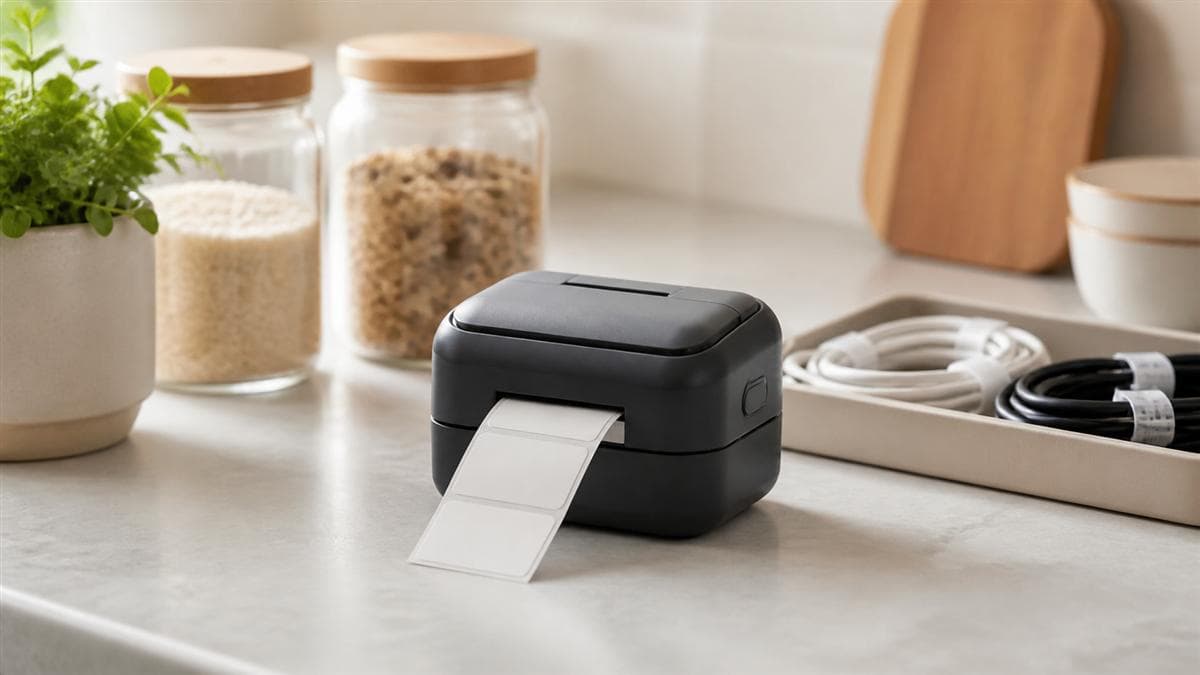
Niimbot Portable Label Printer Review: Is It Actually Worth Using for Everyday Organizing?
A practical look at Niimbot's pocket-sized Bluetooth label printers — what they're genuinely good at, where they fall short, and who should skip them.

Published: August 11, 2026
Xbows Mechanical Keyboards Long-Term: What Actually Holds Up After Regular Daily Use
Ergonomic mechanical keyboards get a lot of hype at unboxing. Here's what tends to matter — and what tends to wear — once one becomes your daily driver.
Published: August 11, 2026
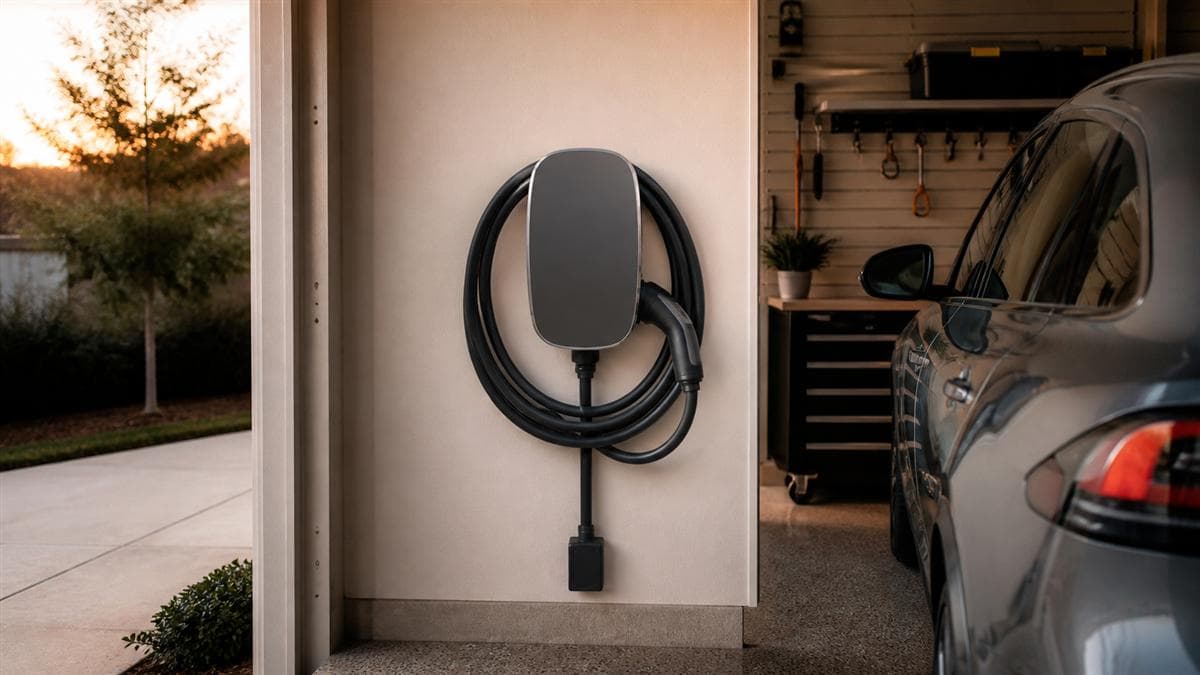
Juice Technology AG EV Chargers Compared: Which Model Actually Fits Your Setup
Juice Technology AG makes several home and portable EV charging options. Here's how the general categories differ so you pick the right one, not the flashiest one.