
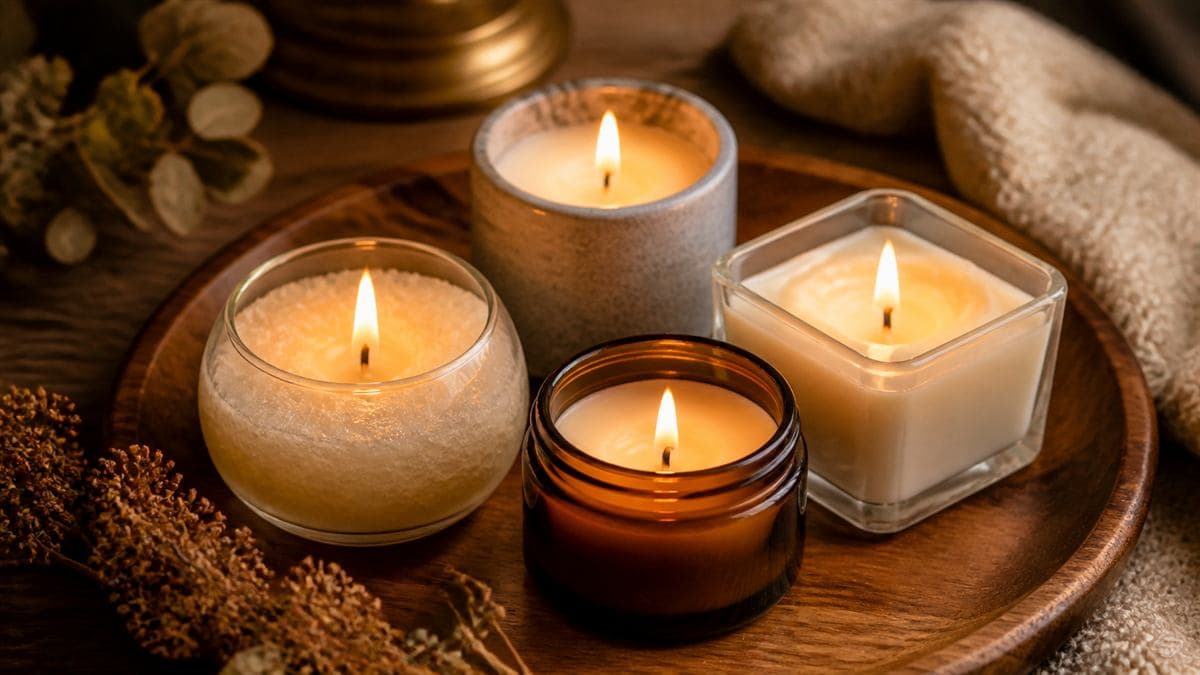
Wax type is one of the most overlooked factors in candle shopping, even though it meaningfully affects burn time, how well a candle carries scent, and how clean it burns. The four most common options — soy, beeswax, paraffin, and coconut — each have real tradeoffs worth understanding before assuming any one is universally "the best."
Soy wax
Made from soybean oil, soy wax is popular for burning relatively cleanly with less soot than paraffin, and it has a lower melting point, which contributes to a longer, cooler burn in many cases. Scent throw (how strongly a candle's fragrance fills a room) tends to be moderate — often described as a stronger "cold throw" (scent when unlit) than "hot throw" (scent while burning) compared to some other waxes. Soy candles are also more prone to frost (a natural, harmless white surface texture) and can be more sensitive to temperature during shipping and storage than paraffin.
Beeswax
A natural byproduct of honey production, beeswax burns with a distinctive natural honey-like scent of its own (which can complicate layering with added fragrance oils) and is known for burning particularly cleanly, actually helping purify air in some accounts due to negative ions released during burning, though this specific claim is debated and shouldn't be treated as an established medical benefit. Beeswax candles tend to be pricier than the other options here, reflecting the more involved sourcing and production process, and they generally burn longer per ounce than most other wax types due to a higher melting point.
Paraffin wax
A petroleum byproduct, paraffin remains widely used because it's inexpensive, holds fragrance and color exceptionally well (generally the strongest scent throw of the common wax types), and is versatile for a huge range of candle styles. The tradeoff is more soot production during burning compared to soy or beeswax, and some people prefer to avoid petroleum-derived products for personal or environmental reasons. Well-made paraffin candles with a properly sized wick still burn reasonably cleanly — most soot issues trace back to a wick that's too large for the candle's diameter, not paraffin itself being inherently sooty.
Coconut wax
A newer entrant to mainstream candle-making, coconut wax burns cleanly and holds scent well, often praised for a strong, even hot throw — but it's rarely sold in pure form due to cost and a naturally soft texture, and is more commonly blended with soy or another wax to improve structural stability. When shopping for "coconut wax" candles, checking whether it's a blend (and what percentage coconut) versus a pure claim gives a more accurate expectation of what you're actually getting.
A quick side-by-side summary
- Cleanest burn: beeswax, closely followed by soy and coconut
- Strongest scent throw: paraffin, closely followed by coconut wax blends
- Most budget-friendly: paraffin, generally by a meaningful margin
- Longest burn time per ounce: beeswax, due to its higher melting point
- Most prone to surface frosting: soy wax
Which one actually makes sense for you
If strong scent throw matters most, paraffin or a coconut-soy blend tends to deliver the most noticeable fragrance. If a cleaner burn and natural sourcing matter more, beeswax or pure soy are the stronger picks, accepting a tradeoff in scent strength or cost. There's no universally "correct" wax — it comes down to which specific tradeoff matters most for how and where you actually burn candles.
Environmental and sourcing considerations across wax types
Beyond performance characteristics, sourcing matters to some buyers — soy is a renewable crop but raises questions for some about monoculture farming practices, beeswax depends on healthy bee populations and responsible beekeeping practices, paraffin is a non-renewable petroleum byproduct, and coconut wax sourcing varies by supplier and region. None of these considerations affect how a candle actually burns, but for buyers who weigh sourcing and environmental factors as part of a purchase decision, they're worth researching specifically for a given brand rather than assuming any wax category is uniformly "better" on this dimension across all suppliers.
How wax type interacts with wick size for the best results
Wick sizing needs to be matched to the specific wax type and container diameter for optimal burning — the same wick that performs well in a paraffin candle may burn too hot or too cool in a soy or beeswax candle of the same size, since different waxes have different melting points and burn characteristics. This is primarily a concern for anyone making candles rather than buying pre-made ones, but it explains why a candle from an experienced, reputable maker tends to burn more predictably than one from a less experienced source, regardless of which wax type is used.
How to identify wax type when it's not clearly labeled
Not every candle product clearly states its wax type on the label — visual and tactile cues can help make an educated guess when this information is missing: soy wax often has a slightly textured, matte surface and is typically opaque white when unscented; paraffin tends to have a smoother, sometimes slightly translucent appearance; beeswax often has a natural yellow or golden tint and a distinct, recognizable honey-like scent even before any added fragrance. These aren't foolproof identification methods, but they offer a reasonable starting guess when label information is incomplete.
If you're ready to buy, Spirit visions is worth checking — they currently have 10% off live right now.
If you're ready to buy, Spirit visions is worth checking — they currently have 10% off live right now.
If you're ready to buy, Spirit visions is worth checking — they currently have 10% off live right now.
If you're ready to buy, Spirit visions is worth checking — they currently have 10% off live right now.
If you're ready to buy, Spirit visions is worth checking — they currently have 10% off live right now.
If you're ready to buy, Spirit visions is worth checking — they currently have 10% off live right now.
If you're ready to buy, Spirit visions is worth checking — they currently have 10% off live right now.
If you're ready to buy, Spirit visions is worth checking — they currently have 10% off live right now.
If you're ready to buy, Spirit visions is worth checking — they currently have 10% off live right now.
If you're ready to buy, Spirit visions is worth checking — they currently have 10% off live right now.
If you're ready to buy, Spirit visions is worth checking — they currently have 10% off live right now.
If you're ready to buy, Spirit visions is worth checking — they currently have 10% off live right now.
If you're ready to buy, Spirit visions is worth checking — they currently have 10% off live right now.
If you're ready to buy, Spirit visions is worth checking — they currently have 10% off live right now.
If you're ready to buy, Spirit visions is worth checking — they currently have 10% off live right now.
If you're ready to buy, Spirit visions is worth checking — they currently have 10% off live right now.
Get 10% OFF at Spirit visions
This article contains an affiliate link. If you buy through it, 5listed may earn a commission at no extra cost to you — see our review policy.
Conclusion
Wax type shapes a candle's burn cleanliness, scent strength, and cost more than most casual buyers account for. Soy and beeswax generally burn cleaner and more naturally; paraffin and coconut blends generally throw scent more strongly. Matching wax type to what actually matters most to you — clean burn versus strong fragrance versus budget — leads to a much better candle choice than picking based on packaging alone.
Keep reading
Related Articles
Published: August 11, 2026
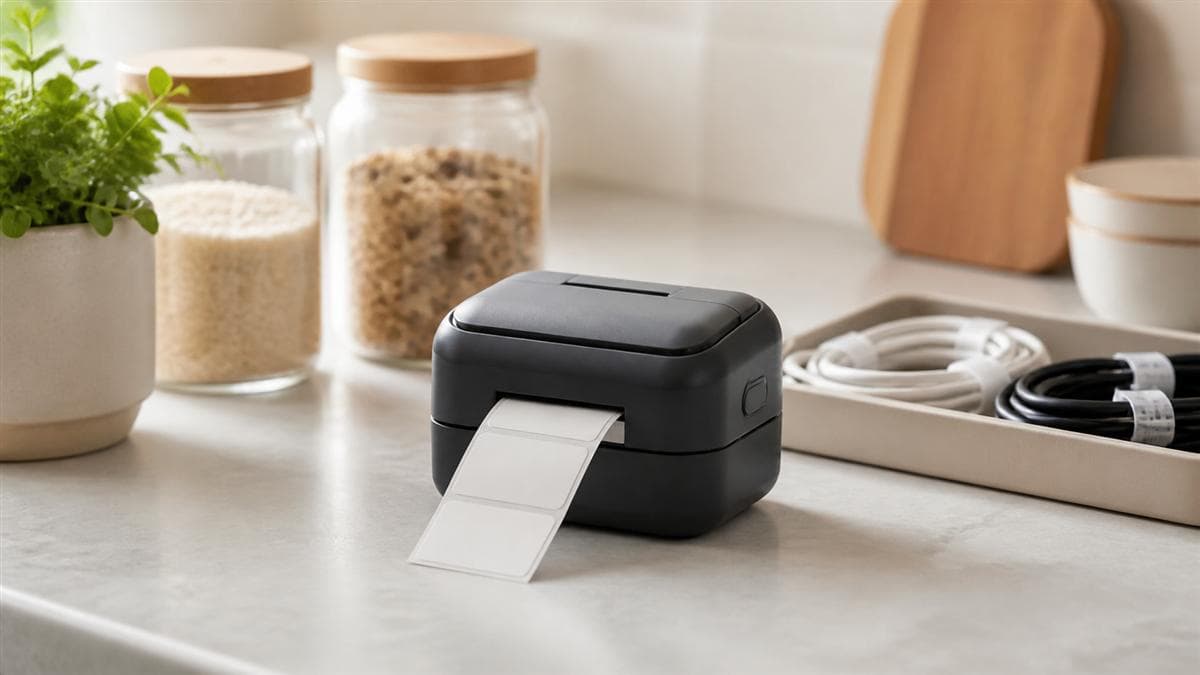
Niimbot Portable Label Printer Review: Is It Actually Worth Using for Everyday Organizing?
A practical look at Niimbot's pocket-sized Bluetooth label printers — what they're genuinely good at, where they fall short, and who should skip them.

Published: August 11, 2026
Xbows Mechanical Keyboards Long-Term: What Actually Holds Up After Regular Daily Use
Ergonomic mechanical keyboards get a lot of hype at unboxing. Here's what tends to matter — and what tends to wear — once one becomes your daily driver.

Published: August 11, 2026
Juice Technology AG EV Chargers Compared: Which Model Actually Fits Your Setup
Juice Technology AG makes several home and portable EV charging options. Here's how the general categories differ so you pick the right one, not the flashiest one.