
The Right DIY Cleaning Solution Ratios for Common Household Surfaces
DIY cleaning solutions are popular for good reason — cheaper, fewer packaging materials, and often just as effective as commercial products for routine cleaning. But getting the ratio right matters more than a lot of casual advice suggests: too weak and a solution doesn't actually clean effectively, too strong and it risks damaging certain surfaces or finishes. A few reliable, surface-matched ratios cover most common household cleaning needs.
General all-purpose surfaces: 1:1 water to white vinegar
An equal-parts water and white vinegar mix handles a wide range of everyday surfaces — countertops (non-stone), sinks, and general kitchen or bathroom wipe-downs. This ratio is diluted enough to avoid a strong lingering vinegar smell while still providing real cleaning power for routine grime. It's worth noting vinegar isn't suitable for every surface, covered in the caution section below.
Glass and mirrors: 1 part water to 1 part vinegar, plus a drop of dish soap
The same base ratio works for glass, but adding just a drop of dish soap helps cut through fingerprints and residue that plain vinegar-water alone can struggle with. Using a microfiber cloth rather than paper towels for the wipe-down noticeably reduces streaking, regardless of which cleaning solution is used underneath.
Tougher grease and grime: 2 parts water to 1 part vinegar, plus baking soda for scrubbing
A slightly stronger vinegar concentration, combined with a baking soda paste for actual scrubbing on stuck-on grease (stovetops, oven interiors, baked-on cookware residue), handles tougher jobs than the standard all-purpose ratio. The baking soda's mild abrasiveness does the physical scrubbing work, while the vinegar solution helps cut through grease chemically.
Surfaces that should NOT get a vinegar-based solution
- Natural stone (granite, marble, limestone) — vinegar's acidity can etch and dull the surface finish over time, even at diluted ratios
- Hardwood floors — repeated vinegar exposure can dull a wood floor's finish and, over time, affect the wood itself
- Cast iron cookware — vinegar can strip a well-seasoned cast iron surface
- Some rubber or silicone seals — prolonged, repeated vinegar exposure can degrade certain rubber gaskets and seals over time
A critical safety note on mixing
Never combine vinegar (an acid) with bleach — the reaction produces toxic chlorine gas, and this is a genuinely dangerous combination that's caused real injuries in home settings. Similarly, never combine ammonia-based cleaners with bleach for the same reason. Stick to one cleaning solution type at a time on a given surface, rinse thoroughly between different products if switching, and never store mixed solutions in unlabeled containers where a mix-up could happen later.
A simple ratio reference to keep handy
- All-purpose (most surfaces): 1:1 water to white vinegar
- Glass/mirrors: 1:1 water to vinegar, plus a drop of dish soap
- Tough grease: 2:1 water to vinegar, paired with a baking soda paste for scrubbing
- Never combine vinegar or any acid-based cleaner with bleach or ammonia-based products
A note on essential oils in DIY cleaning solutions
Adding a few drops of essential oil to a vinegar-based solution is a common way to address vinegar's strong smell, and while this is generally fine for most surfaces at typical dilution levels, it's worth checking that any specific essential oil used doesn't have its own surface-sensitivity concerns (citrus oils, for instance, can affect certain finishes at higher concentrations) and keeping any solution with essential oils clearly labeled and away from pets, since some essential oils are genuinely harmful to cats and dogs even in fairly small amounts.
Testing a new ratio on an inconspicuous area first
Even with generally reliable ratios like the ones above, testing any DIY cleaning solution on a small, inconspicuous area of a new or unfamiliar surface before broader use is a smart habit — surface finishes and sealants vary enough between products that a ratio safe for one countertop material might not be ideal for a different finish, even within the same general material category. This small extra step, taking less than a minute, avoids a much bigger problem if a specific surface reacts unexpectedly to an otherwise generally safe solution.
Storing DIY solutions safely between uses
DIY cleaning solutions should be stored in clearly labeled, appropriate containers — ideally spray bottles specifically intended for cleaning use rather than repurposed food or beverage containers, which can create dangerous confusion for anyone else in the household. Labeling with both the contents and the date mixed helps track freshness, since some DIY solutions lose effectiveness or can develop bacterial growth if stored for extended periods, particularly any solution that includes water without a strong preservative component.
How to properly dilute for different cleaning tasks
Beyond the specific ratios already covered, general light dusting or wipe-downs can often use an even more diluted solution than the standard all-purpose ratio, saving on vinegar usage for routine light cleaning while reserving the stronger ratios for genuinely tougher, less frequent cleaning tasks.
Keeping a simple written reference near where solutions are mixed
A small card or note with the core ratios kept near where cleaning supplies are stored saves having to look them up repeatedly, and helps ensure consistency each time a solution is mixed rather than relying on memory that can drift over time.
If you're ready to buy, Select brands is worth checking — they currently have 10% off live right now.
If you're ready to buy, Select brands is worth checking — they currently have 10% off live right now.
If you're ready to buy, Select brands is worth checking — they currently have 10% off live right now.
If you're ready to buy, Select brands is worth checking — they currently have 10% off live right now.
If you're ready to buy, Select brands is worth checking — they currently have 10% off live right now.
If you're ready to buy, Select brands is worth checking — they currently have 10% off live right now.
If you're ready to buy, Select brands is worth checking — they currently have 10% off live right now.
If you're ready to buy, Select brands is worth checking — they currently have 10% off live right now.
If you're ready to buy, Select brands is worth checking — they currently have 10% off live right now.
If you're ready to buy, Select brands is worth checking — they currently have 10% off live right now.
If you're ready to buy, Select brands is worth checking — they currently have 10% off live right now.
If you're ready to buy, Select brands is worth checking — they currently have 10% off live right now.
If you're ready to buy, Select brands is worth checking — they currently have 10% off live right now.
If you're ready to buy, Select brands is worth checking — they currently have 10% off live right now.
If you're ready to buy, Select brands is worth checking — they currently have 10% off live right now.
If you're ready to buy, Select brands is worth checking — they currently have 10% off live right now.
Get 10% OFF at Select brands
This article contains an affiliate link. If you buy through it, 5listed may earn a commission at no extra cost to you — see our review policy.
Conclusion
A handful of reliable ratios — mostly built around diluted white vinegar, adjusted slightly by task — cover the majority of routine household cleaning without needing a cabinet full of specialized commercial products. Just as important as the ratios themselves is knowing which surfaces to avoid (natural stone, hardwood, cast iron) and the one hard safety rule: never mix vinegar or ammonia with bleach.
Keep reading
Related Articles
Published: August 11, 2026
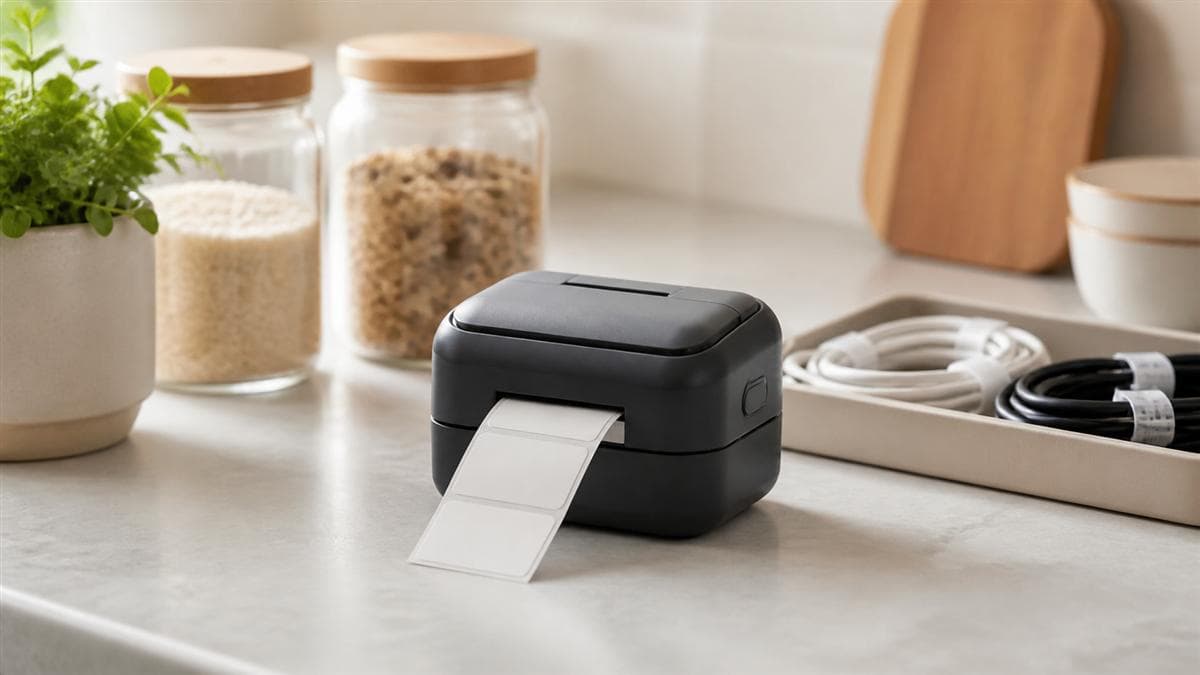
Niimbot Portable Label Printer Review: Is It Actually Worth Using for Everyday Organizing?
A practical look at Niimbot's pocket-sized Bluetooth label printers — what they're genuinely good at, where they fall short, and who should skip them.
Published: August 11, 2026
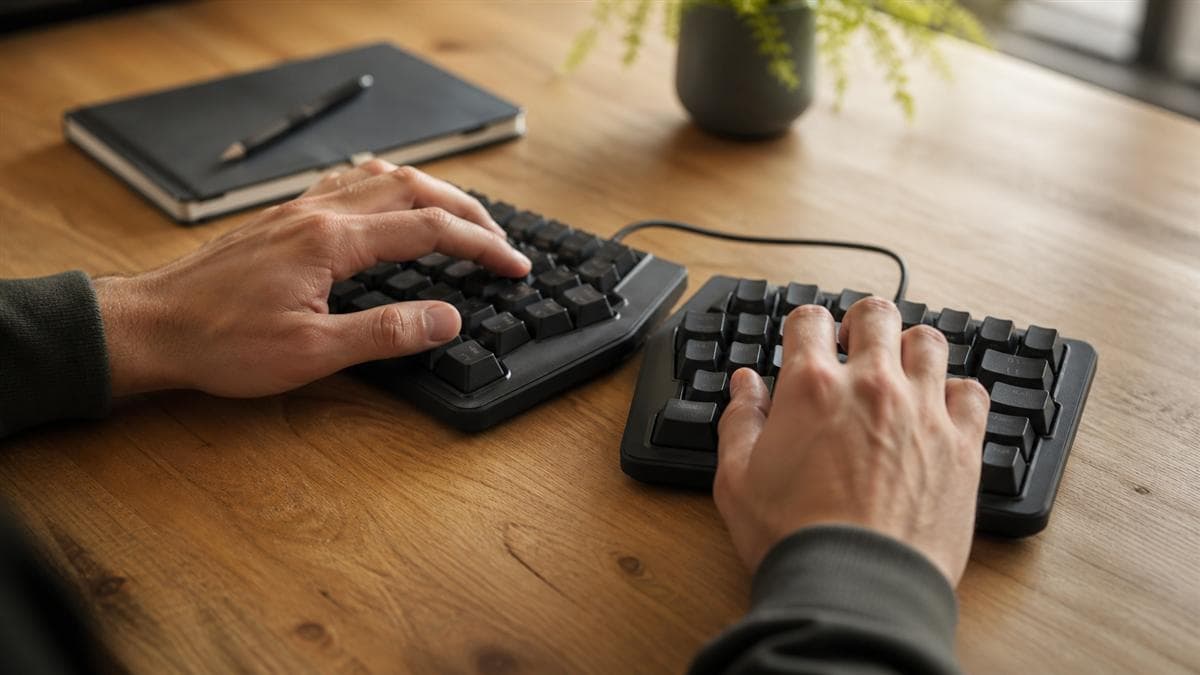
Xbows Mechanical Keyboards Long-Term: What Actually Holds Up After Regular Daily Use
Ergonomic mechanical keyboards get a lot of hype at unboxing. Here's what tends to matter — and what tends to wear — once one becomes your daily driver.
Published: August 11, 2026
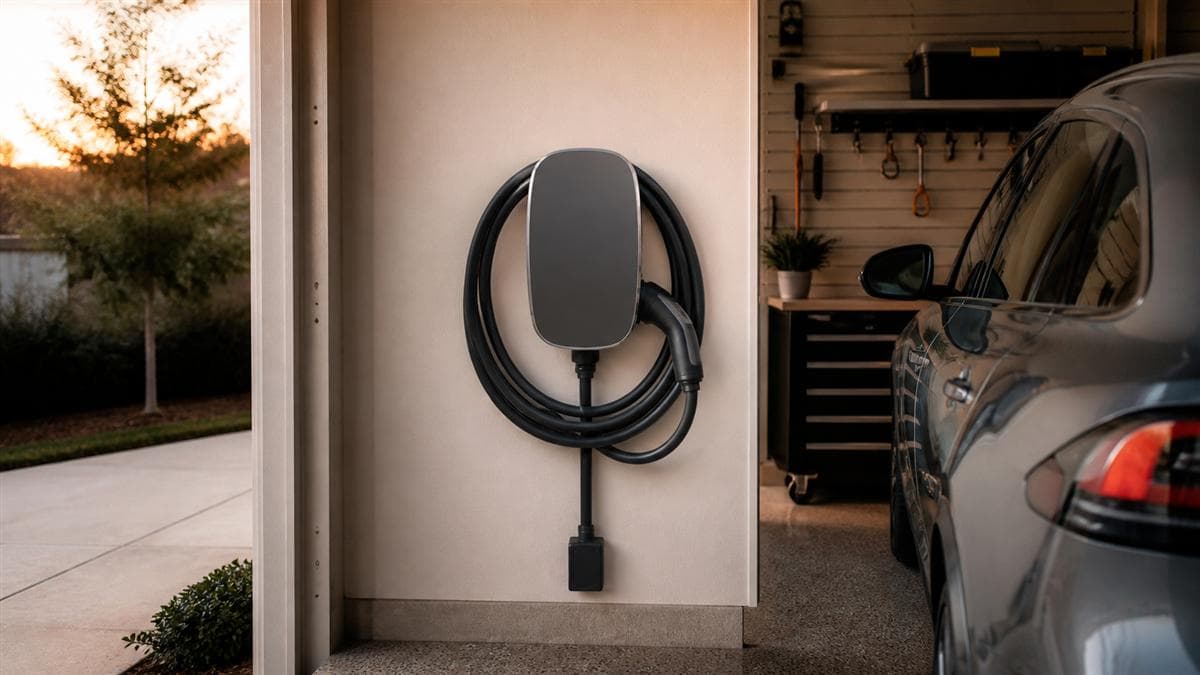
Juice Technology AG EV Chargers Compared: Which Model Actually Fits Your Setup
Juice Technology AG makes several home and portable EV charging options. Here's how the general categories differ so you pick the right one, not the flashiest one.