
Matching Educational Toys to How Your Child Actually Learns Best
Educational toys marketed as universally beneficial don't land the same way for every child — kids engage with learning differently, and matching a toy's format to how a specific child actually learns best tends to produce far more genuine engagement than picking based on age-range labeling alone.
For hands-on, tactile learners
Some children learn best through physical manipulation — building, assembling, taking things apart and putting them back together. For these kids, construction sets, tactile puzzles, and toys that reward physical experimentation tend to hold attention far longer than toys that are primarily about watching, listening, or passive observation. If a child consistently gravitates toward touching, building, and physically manipulating objects during free play, this is a strong signal that hands-on toy formats will engage them more effectively than other types.
For visual and pattern-oriented learners
Other children respond especially well to visual patterns, colors, and spatial relationships — puzzles, matching games, and toys built around visual sequencing or pattern recognition tend to resonate strongly here. A child who notices and comments on colors, shapes, and visual details unprompted, or who enjoys sorting and organizing objects by visual criteria, often responds particularly well to toys built around visual and spatial learning.
For socially-oriented learners
Some children learn best through interaction and collaborative play rather than independent, solitary engagement — cooperative games, role-play sets, and toys explicitly designed for multiplayer interaction tend to hold their interest far more than a toy meant for solo, independent use, even an objectively well-designed one. A child who consistently seeks out playing with others rather than independent play, even when solo toys are available, often benefits more from social/collaborative educational formats.
For auditory and language-oriented learners
Children who respond strongly to sound, music, and verbal interaction often engage especially well with toys involving storytelling, sound-based feedback, or verbal/language-based games. A child who enjoys being read to, engages readily in verbal back-and-forth, or responds noticeably to music and sound cues may find genuinely more engagement in language- and sound-based educational toys than in purely visual or tactile ones.
Most kids show a blend, not one pure style
- These categories are useful starting points, not rigid boxes — most children show a genuine blend of learning tendencies rather than fitting purely into one category
- Observing a child's actual, unprompted play preferences over time is more reliable than guessing from age or general child-development advice alone
- A toy that doesn't land well isn't necessarily a bad toy — it may simply be a mismatch for how that specific child engages, worth trying a different format rather than assuming the child "isn't interested in learning" generally
- Offering some variety across categories, rather than committing entirely to one learning-style theory, gives a child exposure to multiple engagement styles
How to actually observe and match
Paying attention to what a child gravitates toward during unstructured free play — not guided or assigned play, but what they choose on their own — gives the clearest signal about genuine engagement style. A toy that gets picked up repeatedly and used with real focus is a much stronger signal than a toy that gets tried once out of novelty and then set aside.
How age and developmental stage interact with learning style
Learning style preferences can shift somewhat as a child develops, and a toy format that resonates strongly at one age may resonate less strongly a year or two later as new interests and abilities emerge — treating learning style observations as an ongoing, evolving process rather than a fixed, permanent classification keeps toy choices better aligned with a child's actual current developmental stage rather than an outdated assessment from an earlier age.
Balancing a child's preferred style with genuine exposure to others
While matching toys to a child's dominant learning style tends to produce the strongest immediate engagement, intentionally offering some exposure to other formats as well helps build broader skills and prevents a child from becoming narrowly reliant on just one mode of learning. This doesn't mean forcing an uninterested child through a mismatched toy format, but rather ensuring some variety exists in the overall toy collection even while leaning primarily toward what currently generates the most genuine engagement.
How siblings with different learning styles complicate toy selection
In households with multiple children who show genuinely different learning style tendencies, building a toy collection that offers some options well-matched to each child individually, rather than assuming one generic toy selection suits every child in the household equally, tends to produce better engagement across the board — even if it means a somewhat more varied collection than would be needed for a single child with one consistent learning style.
How screen-based educational tools fit into this framework
Screen-based educational apps and tools can be evaluated with the same learning-style lens discussed throughout — some are built around visual pattern recognition, others around interactive problem-solving — though balancing screen-based and physical toy formats remains a separate consideration worth weighing alongside pure learning-style matching.
A final practical note on toy rotation
Rotating a smaller set of well-matched toys periodically, rather than keeping everything accessible at once, often sustains engagement better than a large static collection — a simple practical technique that complements the learning-style matching discussed throughout this piece.
If you're ready to buy, NeuroKids is worth checking — they currently have 20% off with code HIEN live right now.
If you're ready to buy, NeuroKids is worth checking — they currently have 20% off with code HIEN live right now.
If you're ready to buy, NeuroKids is worth checking — they currently have 20% off with code HIEN live right now.
If you're ready to buy, NeuroKids is worth checking — they currently have 20% off with code HIEN live right now.
If you're ready to buy, NeuroKids is worth checking — they currently have 20% off with code HIEN live right now.
If you're ready to buy, NeuroKids is worth checking — they currently have 20% off with code HIEN live right now.
If you're ready to buy, NeuroKids is worth checking — they currently have 20% off with code HIEN live right now.
If you're ready to buy, NeuroKids is worth checking — they currently have 20% off with code HIEN live right now.
If you're ready to buy, NeuroKids is worth checking — they currently have 20% off with code HIEN live right now.
If you're ready to buy, NeuroKids is worth checking — they currently have 20% off with code HIEN live right now.
If you're ready to buy, NeuroKids is worth checking — they currently have 20% off with code HIEN live right now.
If you're ready to buy, NeuroKids is worth checking — they currently have 20% off with code HIEN live right now.
If you're ready to buy, NeuroKids is worth checking — they currently have 20% off with code HIEN live right now.
If you're ready to buy, NeuroKids is worth checking — they currently have 20% off with code HIEN live right now.
If you're ready to buy, NeuroKids is worth checking — they currently have 20% off with code HIEN live right now.
If you're ready to buy, NeuroKids is worth checking — they currently have 20% off with code HIEN live right now.
Get 20% OFF at NeuroKids
Use code HIEN at checkout
This article contains an affiliate link. If you buy through it, 5listed may earn a commission at no extra cost to you — see our review policy.
Conclusion
Matching educational toys to how a specific child actually engages — hands-on, visual, social, or auditory — leads to noticeably better, more sustained engagement than choosing based on age-range labeling alone. Observing genuine, unprompted play preferences over time is the most reliable way to figure out which formats are worth investing in for a particular child.
Keep reading
Related Articles
Published: August 11, 2026
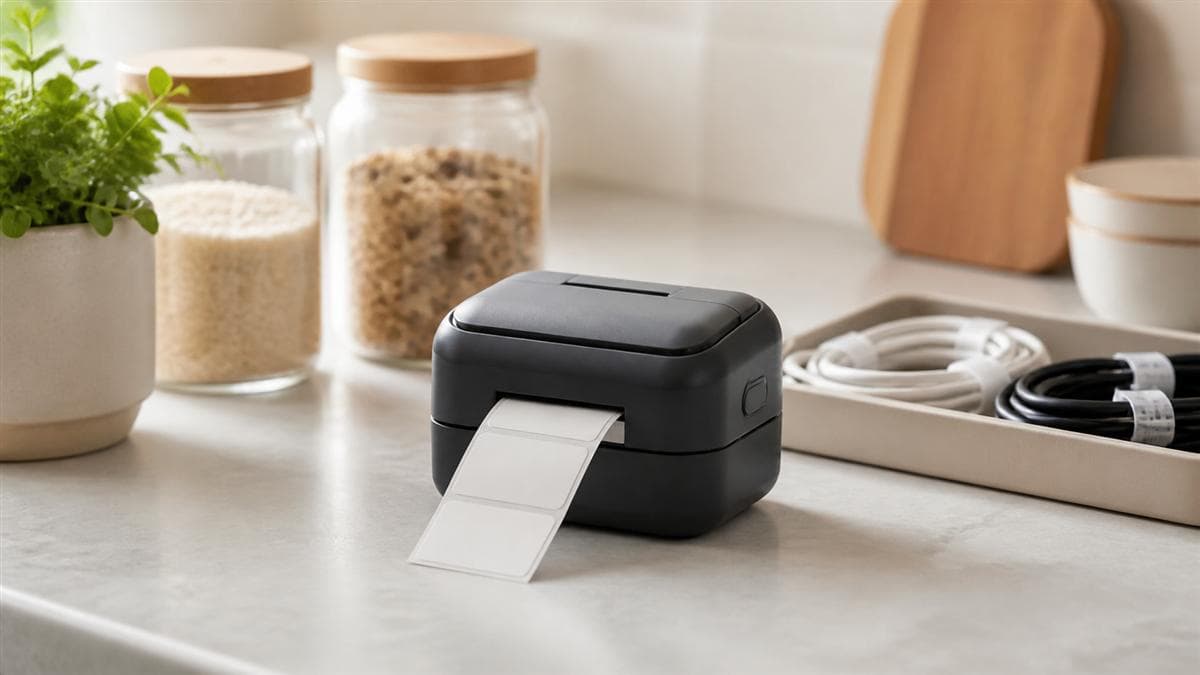
Niimbot Portable Label Printer Review: Is It Actually Worth Using for Everyday Organizing?
A practical look at Niimbot's pocket-sized Bluetooth label printers — what they're genuinely good at, where they fall short, and who should skip them.
Published: August 11, 2026
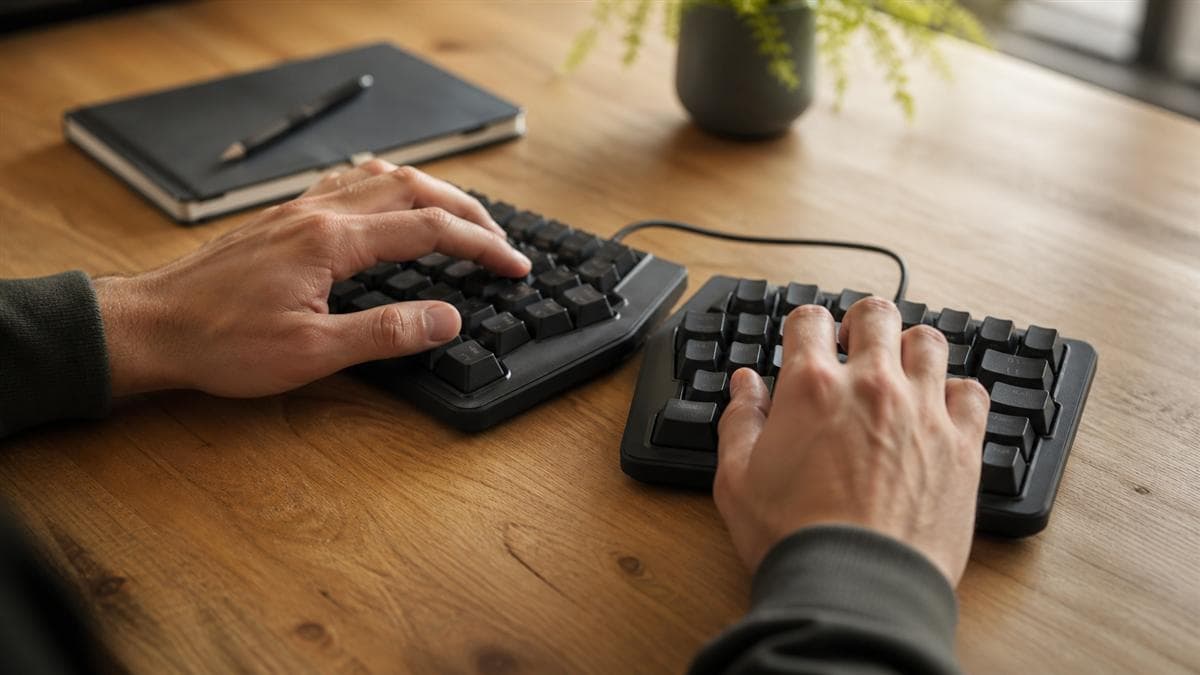
Xbows Mechanical Keyboards Long-Term: What Actually Holds Up After Regular Daily Use
Ergonomic mechanical keyboards get a lot of hype at unboxing. Here's what tends to matter — and what tends to wear — once one becomes your daily driver.
Published: August 11, 2026
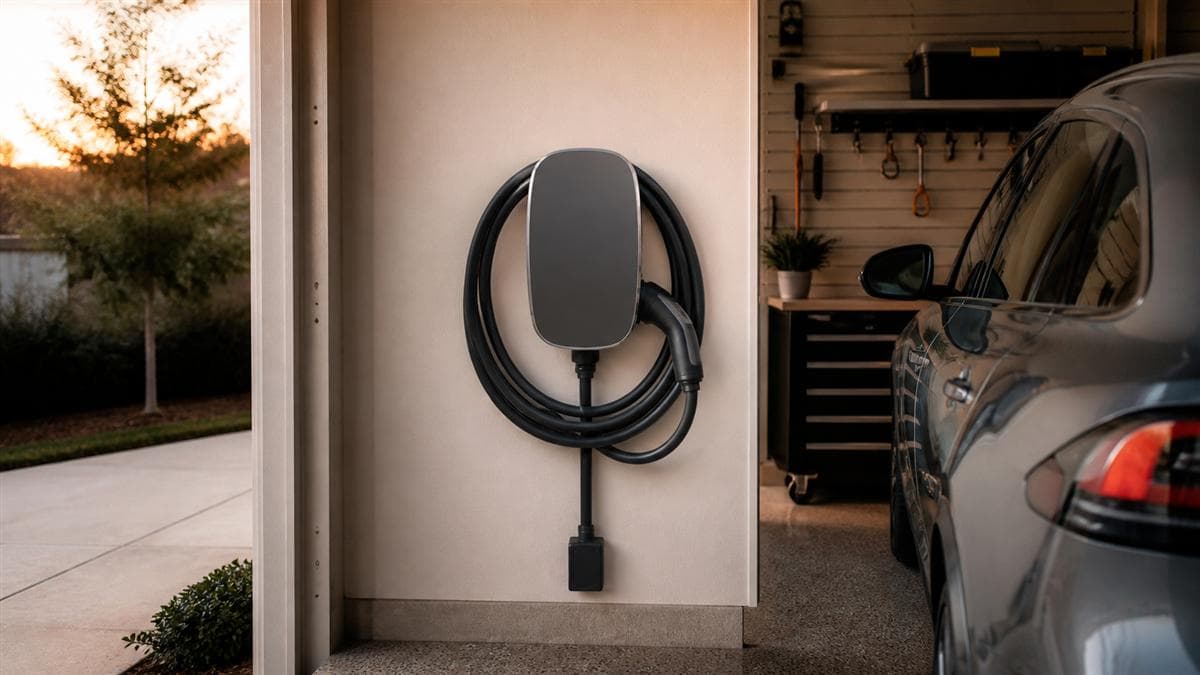
Juice Technology AG EV Chargers Compared: Which Model Actually Fits Your Setup
Juice Technology AG makes several home and portable EV charging options. Here's how the general categories differ so you pick the right one, not the flashiest one.