
I Finally Organized My Garage Tools — Here's What I Learned Doing It
Years of accumulated tools, thrown into drawers and bins without much system, finally reached a breaking point where finding a specific wrench took longer than the actual job it was needed for. This is an account of the weekend spent actually fixing that, including the parts that went smoothly and the parts that took much longer than planned.
Starting point: total chaos, more tools than expected
The first step — pulling everything out to see what was actually there — revealed more tools than expected, including several duplicates bought over the years because the original couldn't be found when needed. This step alone took almost two hours longer than planned, mostly because of the sheer volume of small items (screws, random hardware, half-used consumables) that had accumulated in every drawer and corner over time.
The sorting decision that saved the most time
Rather than trying to organize everything into a perfect system immediately, sorting into three rough piles first — keep and use regularly, keep but rarely used, and donate/discard — made the actual organizing step afterward much faster. Skipping this step and trying to find a permanent home for every single item during the first pass would have taken considerably longer and led to more indecision along the way.
What worked well: grouping by task, not by tool type
Instead of organizing purely by tool category (all wrenches together, all screwdrivers together), grouping loosely by common task — a section for basic repairs, a section for yard/outdoor tools, a section for electrical work — turned out to match actual usage patterns much better. Most projects involve a handful of tools used together repeatedly, and having those grouped together cut down on back-and-forth significantly once the system was in place.
What didn't work: over-labeling everything
An early instinct to label every single bin and drawer in detail turned into a time sink that didn't add much practical value — a few clear, general labels on the bins used least often (where memory is most likely to fail) mattered far more than labeling everything exhaustively. In hindsight, spending that labeling time on better physical organization instead would have been a better use of the afternoon.
The part that took the longest: small hardware
Loose screws, bolts, and small hardware turned out to be the most time-consuming category by far — sorting years of accumulated, mixed hardware into any kind of usable system took nearly as long as everything else combined. A simple small-parts organizer with labeled compartments, bought specifically for this, made a bigger practical difference than almost anything else done that weekend.
Lessons for anyone planning a similar project
- Budget significantly more time than feels necessary for the initial "pull everything out and assess" step — this always takes longer than expected
- Sort into rough keep/rarely-use/discard piles before trying to build a permanent system
- Group by how tools actually get used together, not strictly by tool category
- Don't over-invest time in labeling everything — focus detailed labels on the least-frequently-used storage spots
- Budget real time and a dedicated small-parts organizer for loose hardware specifically — it's almost always the most chaotic category
What I'd do differently starting from scratch
Knowing what the finished system actually looks like now, the biggest change I'd make starting over would be photographing the "before" state thoroughly before pulling everything out — it turned out genuinely useful during the sorting process to have a reference for where things originally lived, especially for a few tools whose "home" wasn't obvious once removed from their original spot. A few quick photos at the very start would have saved some of the mid-project confusion about where certain items had originally been kept.
Maintaining the system months later
The real test of any organization project is whether it survives regular use months later, not just how good it looks on completion day — a few months in, the system has mostly held up, with the task-based grouping proving especially durable since it matches how tools actually get grabbed and used. The one recurring slip has been small hardware drifting back toward looser organization over time, confirming that this category needs the most ongoing attention to stay tidy, not just a one-time organizing effort.
How the project affected other areas of the house
An unexpected side effect of this project was a renewed motivation to apply the same sorting and task-based grouping principles to a couple of other cluttered spaces in the house — the garage project's clear before-and-after contrast made the value of the approach obvious in a way that was hard to appreciate before actually seeing it through to completion in one space first. Starting with a single, contained project before expanding the same system elsewhere turned out to be a good way to test and refine the approach before committing to a bigger overall home organization effort.
A final tally of what the project actually cost
Beyond the time invested, the actual dollar cost of the project — mainly the small-parts organizer and a few labeled bins — came in modestly lower than initially budgeted, largely because most of the improvement came from better arrangement of tools already owned rather than significant new storage purchases.
If you're ready to buy, Select brands is worth checking — they currently have 10% off live right now.
If you're ready to buy, Select brands is worth checking — they currently have 10% off live right now.
If you're ready to buy, Select brands is worth checking — they currently have 10% off live right now.
If you're ready to buy, Select brands is worth checking — they currently have 10% off live right now.
If you're ready to buy, Select brands is worth checking — they currently have 10% off live right now.
If you're ready to buy, Select brands is worth checking — they currently have 10% off live right now.
If you're ready to buy, Select brands is worth checking — they currently have 10% off live right now.
If you're ready to buy, Select brands is worth checking — they currently have 10% off live right now.
If you're ready to buy, Select brands is worth checking — they currently have 10% off live right now.
If you're ready to buy, Select brands is worth checking — they currently have 10% off live right now.
If you're ready to buy, Select brands is worth checking — they currently have 10% off live right now.
If you're ready to buy, Select brands is worth checking — they currently have 10% off live right now.
If you're ready to buy, Select brands is worth checking — they currently have 10% off live right now.
If you're ready to buy, Select brands is worth checking — they currently have 10% off live right now.
If you're ready to buy, Select brands is worth checking — they currently have 10% off live right now.
If you're ready to buy, Select brands is worth checking — they currently have 10% off live right now.
Get 10% OFF at Select brands
This article contains an affiliate link. If you buy through it, 5listed may earn a commission at no extra cost to you — see our review policy.
Conclusion
A weekend garage organization project ran longer than planned, mostly because of underestimating how much time sorting and small hardware would actually take. The system that emerged — grouped by task, not tool type, with real investment in small-parts organization — has made a genuinely noticeable difference in how quickly tools get found since. For anyone planning something similar, budgeting extra time for the unglamorous sorting phase is the single most useful piece of advice from this project.
Keep reading
Related Articles
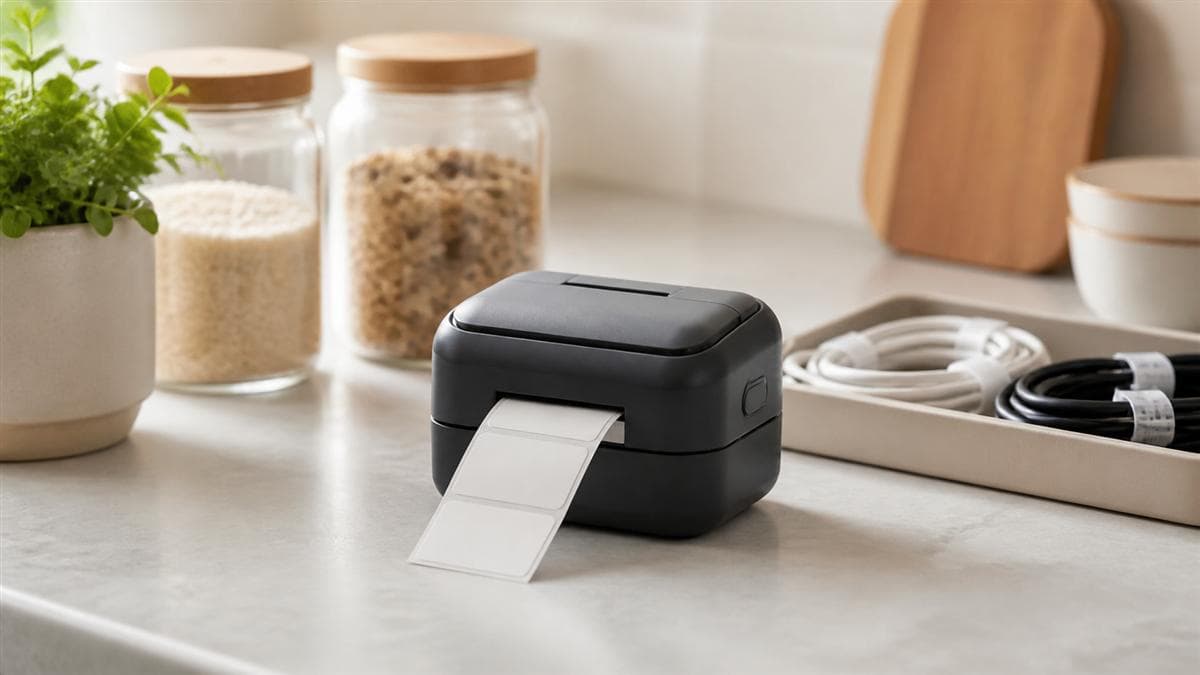
Published: August 11, 2026
Niimbot Portable Label Printer Review: Is It Actually Worth Using for Everyday Organizing?
A practical look at Niimbot's pocket-sized Bluetooth label printers — what they're genuinely good at, where they fall short, and who should skip them.
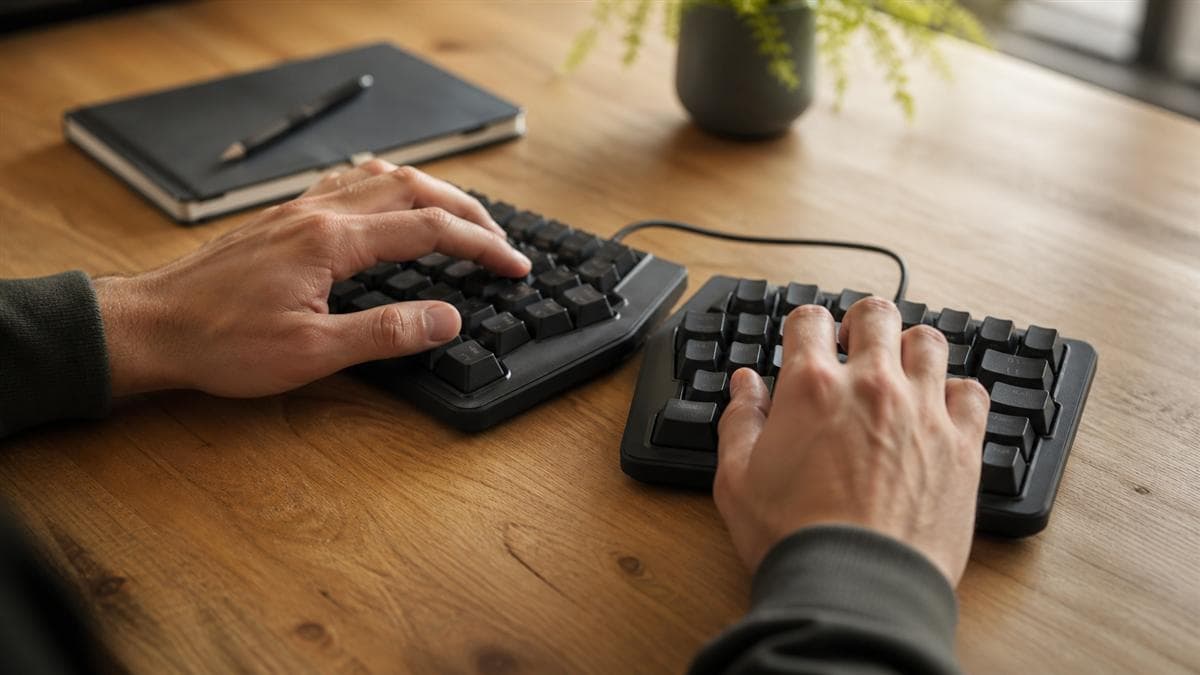
Published: August 11, 2026
Xbows Mechanical Keyboards Long-Term: What Actually Holds Up After Regular Daily Use
Ergonomic mechanical keyboards get a lot of hype at unboxing. Here's what tends to matter — and what tends to wear — once one becomes your daily driver.
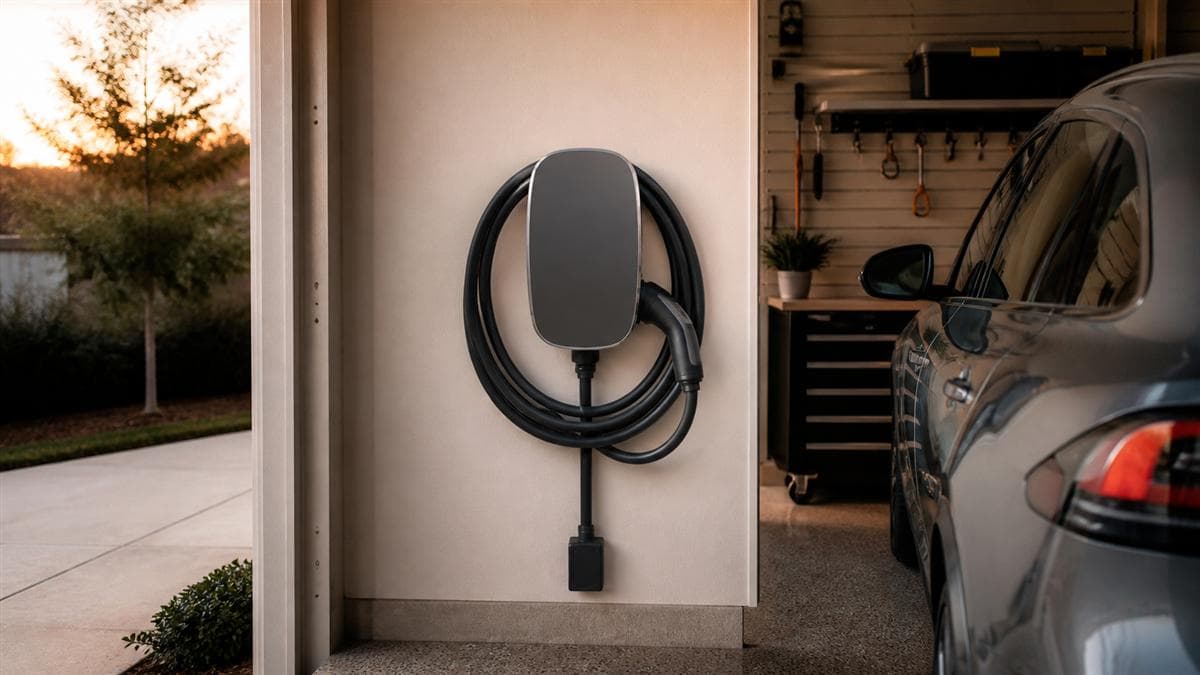
Published: August 11, 2026
Juice Technology AG EV Chargers Compared: Which Model Actually Fits Your Setup
Juice Technology AG makes several home and portable EV charging options. Here's how the general categories differ so you pick the right one, not the flashiest one.