
What Home Decor Material Specs Actually Mean (A Deep Dive)
Home decor product listings often list material specs in passing — "solid wood," "premium fabric," "engineered composite" — without much context for what these terms mean practically. Understanding a few of the most common specs in more depth makes a real difference in predicting how a piece will actually hold up.
"Solid wood" vs. "engineered wood" vs. "wood composite"
Solid wood is genuinely a single piece (or joined pieces) of actual wood throughout — generally the most durable and repairable option, but also the most expensive and the most prone to expanding/contracting with humidity changes. Engineered wood (plywood, MDF with a wood veneer) uses layered or composite construction with a real wood veneer on visible surfaces — more dimensionally stable than solid wood and often more affordable, though generally less repairable if damaged since sanding through the veneer reveals the composite core beneath. Wood composite (particleboard, generally the least expensive option) uses wood particles bonded together — the least durable of the three, particularly vulnerable to moisture damage and heavy weight, but also the most budget-friendly.
Fabric weight and weave density
Fabric specs often list a weight measurement (sometimes in GSM — grams per square meter, or ounces per yard depending on region) that correlates with durability and drape quality — heavier fabric generally holds up better to regular use and pet claws, while lighter fabric drapes more elegantly but wears faster under heavy use. Weave density (how tightly threads are woven together) similarly affects both durability and how prone a fabric is to snagging or pilling over time. Neither weight nor weave alone tells the whole story, but checking for either spec, when listed, gives more useful information than a vague "premium fabric" claim.
Finish types and what they actually protect against
A "sealed" or "finished" wood surface protects against different things depending on the specific finish type — a water-based polyurethane finish generally protects well against moisture and everyday scuffs but can show wear patterns over years; an oil finish penetrates the wood itself and can be easier to spot-repair but generally offers less protection against water damage than a polyurethane topcoat. Checking what specific finish type is used, rather than assuming "finished" means uniformly protected against everything, sets more accurate expectations for care and maintenance needs.
Metal gauge and plating
For metal decor and hardware components, gauge (a measurement of metal thickness — lower numbers mean thicker, more durable metal) and plating type (what coats the base metal, affecting both appearance and corrosion resistance) both matter for real-world durability. A thin-gauge metal with an attractive plating can still bend or dent more easily than it appears, and plating quality varies significantly, affecting how well a piece resists tarnishing or wear over time.
A practical checklist for reading material specs
- For wood furniture, check whether it's solid wood, engineered wood, or composite — and match the choice to how much weight/use the piece will see and your budget for that tradeoff
- For fabric, look for weight (GSM/oz) and weave density specs when listed, not just a vague quality descriptor
- For finished wood surfaces, check the specific finish type to understand what maintenance and protection level to expect
- For metal components, check gauge/thickness specs when available, especially for anything load-bearing or high-use
Why this matters more for some pieces than others
Material spec details matter most for pieces that see heavy regular use or bear real weight — a dining table, a frequently-used chair, load-bearing shelving — where durability directly affects longevity and safety. For purely decorative, low-use pieces, material specs matter less practically, though they still affect how a piece ages visually over time even without heavy physical use.
Reading upholstery-specific durability ratings
For upholstered furniture specifically, a rub count rating (measuring how many rubbing cycles a fabric withstands in standardized testing before showing wear) offers a genuinely comparable durability metric beyond general fabric weight — a higher rub count generally indicates better suitability for heavy daily use furniture, while lower-rated fabrics may be better suited to lower-traffic, more decorative pieces. When available, checking this specific rating gives more precise information than general fabric weight alone for predicting how upholstery will hold up under a household's actual usage pattern.
How to weigh material specs against overall design when specs aren't available
Not every product listing includes detailed material specs, and in those cases, some reasonable inference is still possible — checking manufacturer reputation, reading detailed customer reviews that mention long-term durability specifically (not just initial impressions), and, where possible, examining a piece in person before buying all help fill the information gap left by an incomplete spec sheet. This is a reasonable fallback approach, though it's inherently less reliable than having specific, verifiable material specs to evaluate directly.
How environmental humidity affects material choice regionally
Buyers in consistently humid climates should weight material moisture-resistance more heavily than the general guidance above suggests, since materials that perform adequately in a moderate climate can show accelerated warping, swelling, or mold-related issues in consistently high-humidity conditions. Checking a specific material's humidity tolerance, not just its general durability reputation, matters more for buyers in genuinely humid regions than for those in drier, more moderate climates.
If you're ready to buy, Advantage lumber is worth checking — they currently have 10% off with code TEAK10 live right now.
If you're ready to buy, Advantage lumber is worth checking — they currently have 10% off with code TEAK10 live right now.
If you're ready to buy, Advantage lumber is worth checking — they currently have 10% off with code TEAK10 live right now.
If you're ready to buy, Advantage lumber is worth checking — they currently have 10% off with code TEAK10 live right now.
If you're ready to buy, Advantage lumber is worth checking — they currently have 10% off with code TEAK10 live right now.
If you're ready to buy, Advantage lumber is worth checking — they currently have 10% off with code TEAK10 live right now.
If you're ready to buy, Advantage lumber is worth checking — they currently have 10% off with code TEAK10 live right now.
If you're ready to buy, Advantage lumber is worth checking — they currently have 10% off with code TEAK10 live right now.
If you're ready to buy, Advantage lumber is worth checking — they currently have 10% off with code TEAK10 live right now.
If you're ready to buy, Advantage lumber is worth checking — they currently have 10% off with code TEAK10 live right now.
If you're ready to buy, Advantage lumber is worth checking — they currently have 10% off with code TEAK10 live right now.
If you're ready to buy, Advantage lumber is worth checking — they currently have 10% off with code TEAK10 live right now.
If you're ready to buy, Advantage lumber is worth checking — they currently have 10% off with code TEAK10 live right now.
If you're ready to buy, Advantage lumber is worth checking — they currently have 10% off with code TEAK10 live right now.
If you're ready to buy, Advantage lumber is worth checking — they currently have 10% off with code TEAK10 live right now.
If you're ready to buy, Advantage lumber is worth checking — they currently have 10% off with code TEAK10 live right now.
Get 10% OFF at Advantage lumber
Use code TEAK10 at checkout
This article contains an affiliate link. If you buy through it, 5listed may earn a commission at no extra cost to you — see our review policy.
Conclusion
Home decor material terms that sound similar — solid wood versus engineered wood versus composite, different fabric weights, different finish types — actually perform quite differently in real-world use. Checking for specific, verifiable specs rather than relying on vague marketing descriptors leads to purchases that hold up the way you actually expect them to.
Keep reading
Related Articles
Published: August 11, 2026
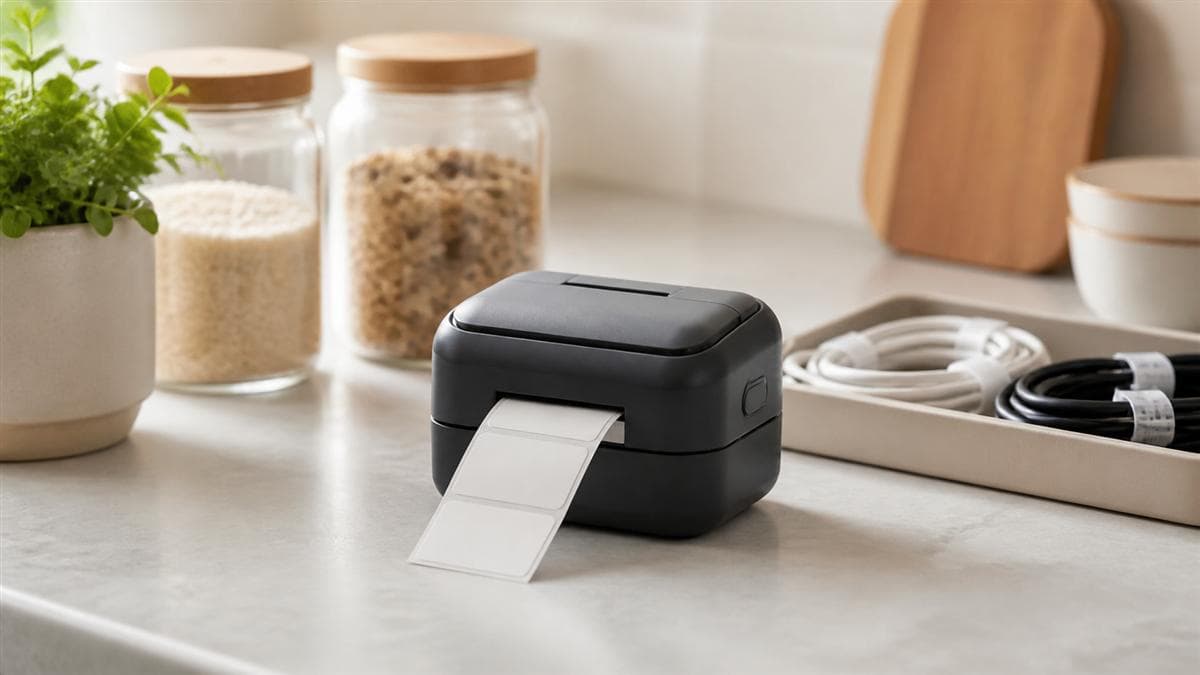
Niimbot Portable Label Printer Review: Is It Actually Worth Using for Everyday Organizing?
A practical look at Niimbot's pocket-sized Bluetooth label printers — what they're genuinely good at, where they fall short, and who should skip them.

Published: August 11, 2026
Xbows Mechanical Keyboards Long-Term: What Actually Holds Up After Regular Daily Use
Ergonomic mechanical keyboards get a lot of hype at unboxing. Here's what tends to matter — and what tends to wear — once one becomes your daily driver.
Published: August 11, 2026
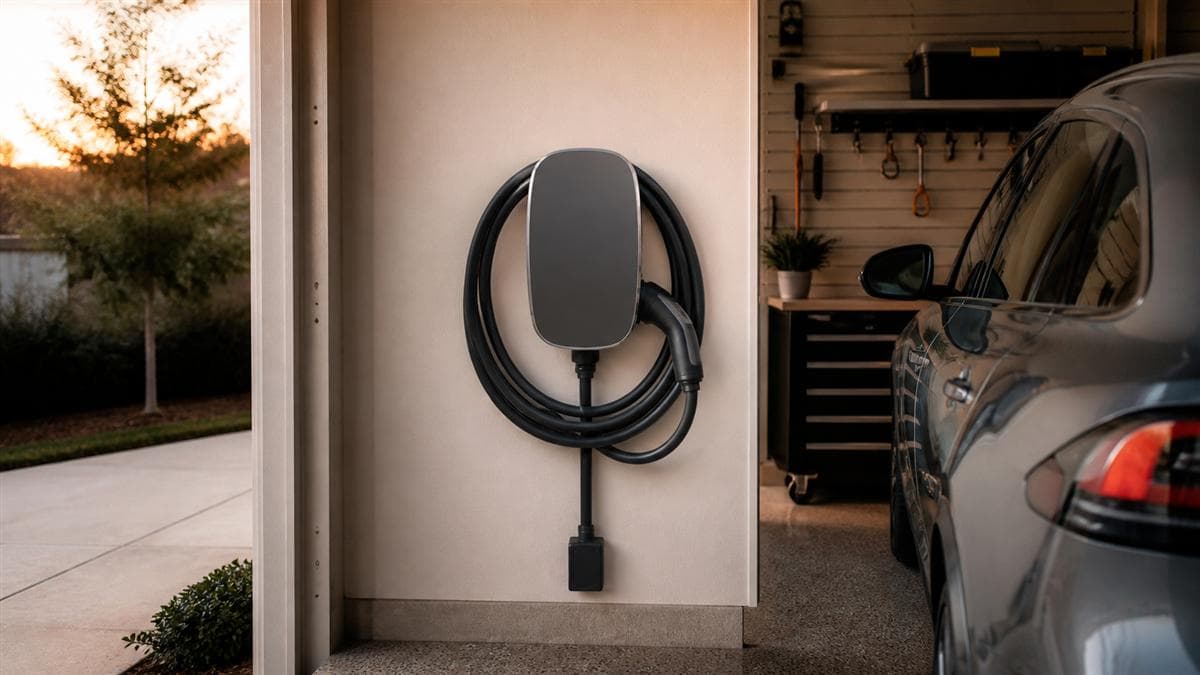
Juice Technology AG EV Chargers Compared: Which Model Actually Fits Your Setup
Juice Technology AG makes several home and portable EV charging options. Here's how the general categories differ so you pick the right one, not the flashiest one.