
Where Handcrafted Olive Wood Pieces Actually Work Best in a Home
Handcrafted olive wood pieces — bowls, cutting boards, decorative and religious items — bring warmth and natural character to a home, but different pieces genuinely suit different rooms, both functionally and aesthetically. Matching a piece to the right space makes a real difference in how much it gets used and appreciated.
Kitchen: functional pieces that see real daily use
Cutting boards, serving bowls, and utensils are natural fits for kitchen use, where olive wood's natural durability and attractive grain get to shine through genuine daily function rather than sitting purely decorative. These pieces benefit from occasional oiling to maintain the wood's condition given regular exposure to food, water, and handling — worth factoring into the decision if you want a genuinely low-maintenance kitchen piece versus one you're willing to care for more actively.
Dining room: centerpiece and serving pieces
Larger decorative bowls or serving pieces work well as a dining table centerpiece or sideboard display, where they get seen regularly during meals and gatherings without the more frequent wear-and-tear of daily kitchen prep use. This is a good spot for a slightly more decorative or intricately carved piece that might be too delicate for constant food-prep use in the kitchen itself.
Living room: decorative and display pieces
Smaller sculptural or decorative olive wood pieces suit a living room shelf, mantle, or coffee table display, where their natural grain and craftsmanship can be appreciated visually without needing to withstand kitchen-level daily handling. This is often the right spot for a piece chosen more for its aesthetic or, for religious items, personal/spiritual significance than its practical function.
Entryway or foyer: smaller welcoming pieces
A smaller olive wood piece — a bowl for keys, a small decorative item — works well in an entryway, offering a warm, natural first impression as people enter a home. Given more foot traffic and less controlled conditions (humidity from an entry door, more incidental contact) than a formal living room, choosing a sturdier, simpler piece for this space tends to hold up better than something more delicate.
Considerations that apply across any room
- Avoid placing olive wood pieces in direct, prolonged sunlight, which can cause fading and drying/cracking over time in any room
- Keep pieces away from direct heat sources (radiators, fireplaces, heating vents) regardless of which room they're displayed in
- Occasional oiling with a food-safe wood conditioner benefits any olive wood piece, functional or purely decorative, though functional kitchen pieces benefit from more frequent care given heavier use
- Humidity-stable rooms generally suit wood pieces better than consistently damp or very dry environments (a poorly ventilated bathroom, for instance, is rarely a good spot for wood decor)
Matching piece style to room formality
More simply-shaped, functional pieces tend to suit casual, high-use spaces (kitchen, entryway), while more intricately carved or decorative pieces tend to suit formal or display-focused spaces (dining room, living room) where they're appreciated visually rather than handled constantly. Thinking about a room's actual use pattern, not just its general style, leads to better placement decisions.
Caring for pieces with religious or personal significance
For olive wood pieces carrying religious or deeply personal meaning, placement decisions often reasonably prioritize significance and visibility over purely practical room-matching considerations discussed elsewhere — a meaningful piece might earn a prominent spot regardless of whether that room is technically the "ideal" environment by the functional criteria covered above. In these cases, applying the general care guidelines (avoiding direct sun and heat sources, periodic oiling) becomes even more important, since protecting a personally significant piece matters more than for a purely decorative item that could be more easily replaced.
Combining olive wood pieces with other natural materials in a space
Olive wood's warm, natural character pairs well visually with other natural materials — woven textiles, stone, other wood tones — and thinking about a piece's placement alongside a room's existing natural material palette, not just as a standalone object, tends to produce a more cohesive overall look than placing a piece purely based on available surface space without considering its visual relationship to what's already in the room.
How piece size should scale with the intended room
Beyond room function, physical scale matters for how well a piece fits its intended space — a small decorative piece can feel lost in a large, open living room, while an appropriately larger piece might overwhelm a compact entryway table. Considering the actual physical scale of the intended display space, not just its general function and formality level already discussed, helps choose a piece that feels proportionally right in its specific setting.
How to safely clean pieces without damaging natural oils
A simple dry or barely damp cloth, rather than any soap-based cleaner, preserves the wood's natural oils best during routine dusting — reserving actual oiling treatments for the periodic conditioning already discussed rather than attempting to clean and condition in the same step.
A final note on pairing pieces with lighting
Warm-toned lighting tends to complement olive wood's natural grain more flatteringly than cool, harsh lighting — a small placement detail worth considering alongside the room-by-room functional guidance already covered, especially for pieces chosen primarily for display and visual appreciation.
If you're ready to buy, Zuluf is worth checking — they currently have 5% off live right now.
If you're ready to buy, Zuluf is worth checking — they currently have 5% off live right now.
If you're ready to buy, Zuluf is worth checking — they currently have 5% off live right now.
If you're ready to buy, Zuluf is worth checking — they currently have 5% off live right now.
If you're ready to buy, Zuluf is worth checking — they currently have 5% off live right now.
If you're ready to buy, Zuluf is worth checking — they currently have 5% off live right now.
If you're ready to buy, Zuluf is worth checking — they currently have 5% off live right now.
If you're ready to buy, Zuluf is worth checking — they currently have 5% off live right now.
If you're ready to buy, Zuluf is worth checking — they currently have 5% off live right now.
If you're ready to buy, Zuluf is worth checking — they currently have 5% off live right now.
If you're ready to buy, Zuluf is worth checking — they currently have 5% off live right now.
If you're ready to buy, Zuluf is worth checking — they currently have 5% off live right now.
If you're ready to buy, Zuluf is worth checking — they currently have 5% off live right now.
If you're ready to buy, Zuluf is worth checking — they currently have 5% off live right now.
If you're ready to buy, Zuluf is worth checking — they currently have 5% off live right now.
If you're ready to buy, Zuluf is worth checking — they currently have 5% off live right now.
Get 5% OFF at Zuluf
This article contains an affiliate link. If you buy through it, 5listed may earn a commission at no extra cost to you — see our review policy.
Conclusion
Handcrafted olive wood pieces suit different rooms based on both function and formality — durable functional pieces for the kitchen, centerpiece pieces for dining, decorative pieces for living rooms, and sturdy welcoming pieces for entryways. Matching piece style and care needs to the room's actual conditions and use pattern gets the most genuine enjoyment out of each piece.
Keep reading
Related Articles
Published: August 11, 2026
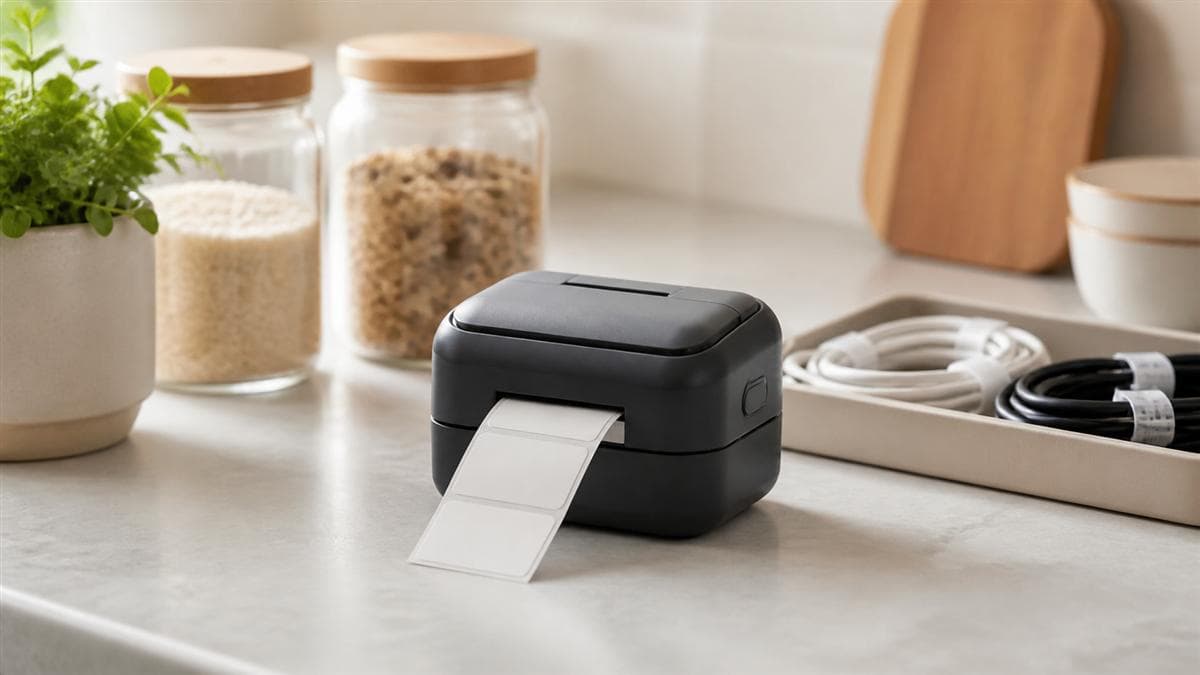
Niimbot Portable Label Printer Review: Is It Actually Worth Using for Everyday Organizing?
A practical look at Niimbot's pocket-sized Bluetooth label printers — what they're genuinely good at, where they fall short, and who should skip them.
Published: August 11, 2026
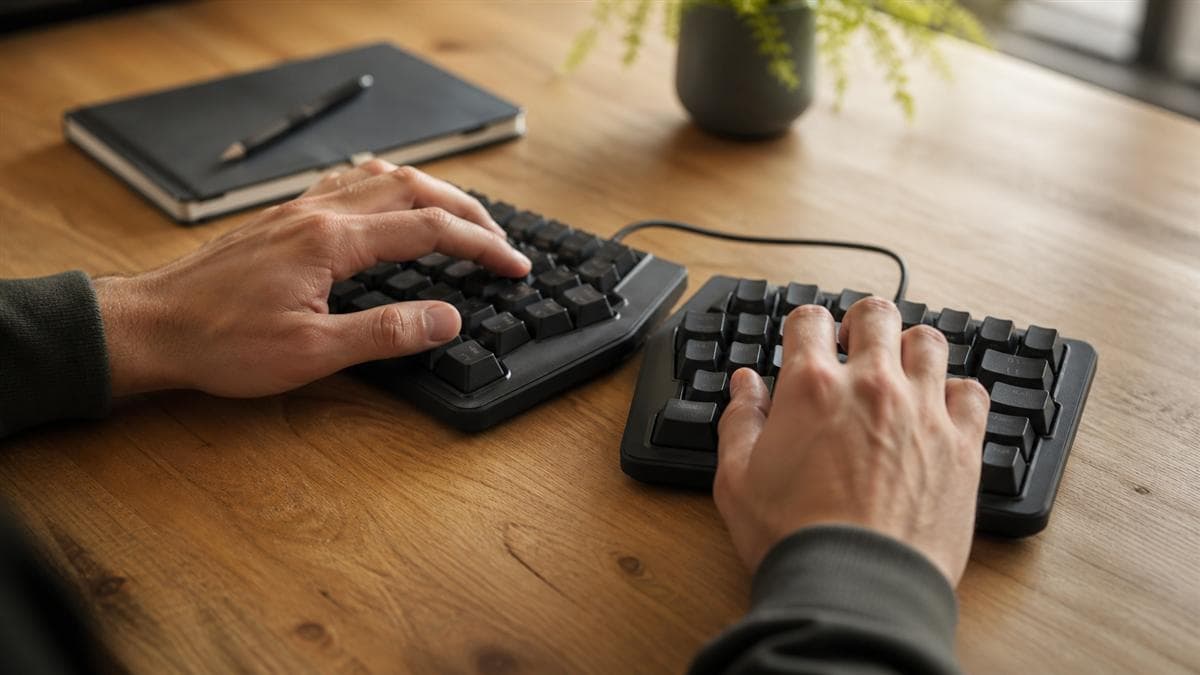
Xbows Mechanical Keyboards Long-Term: What Actually Holds Up After Regular Daily Use
Ergonomic mechanical keyboards get a lot of hype at unboxing. Here's what tends to matter — and what tends to wear — once one becomes your daily driver.
Published: August 11, 2026
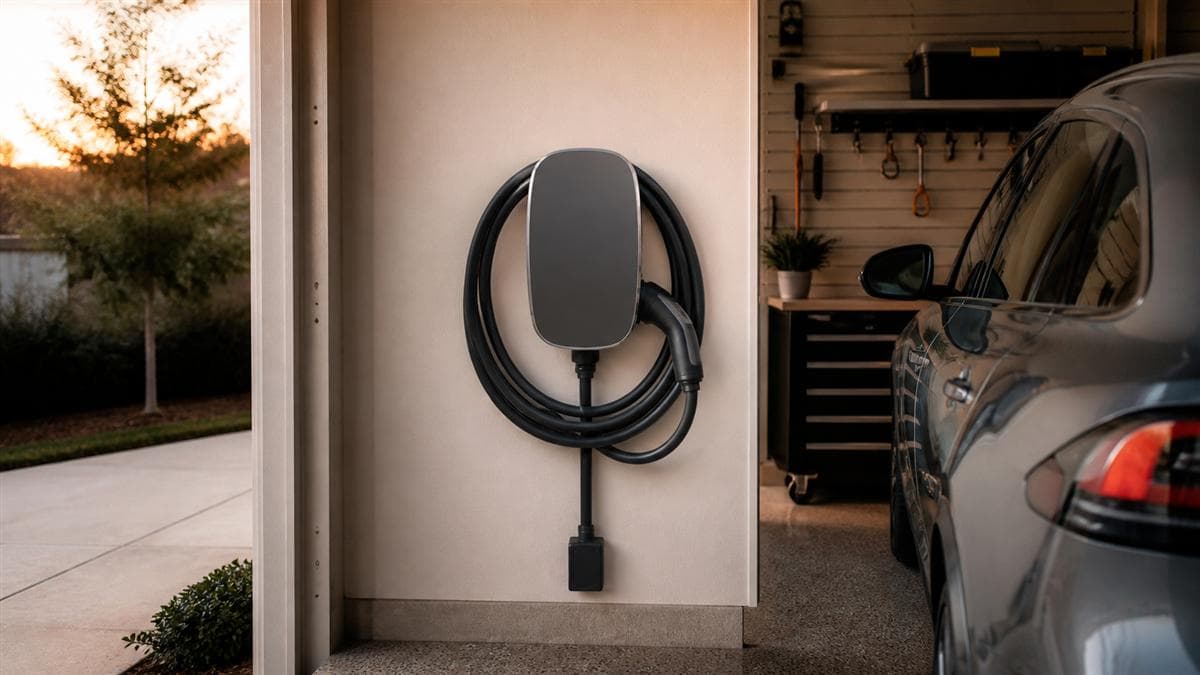
Juice Technology AG EV Chargers Compared: Which Model Actually Fits Your Setup
Juice Technology AG makes several home and portable EV charging options. Here's how the general categories differ so you pick the right one, not the flashiest one.