
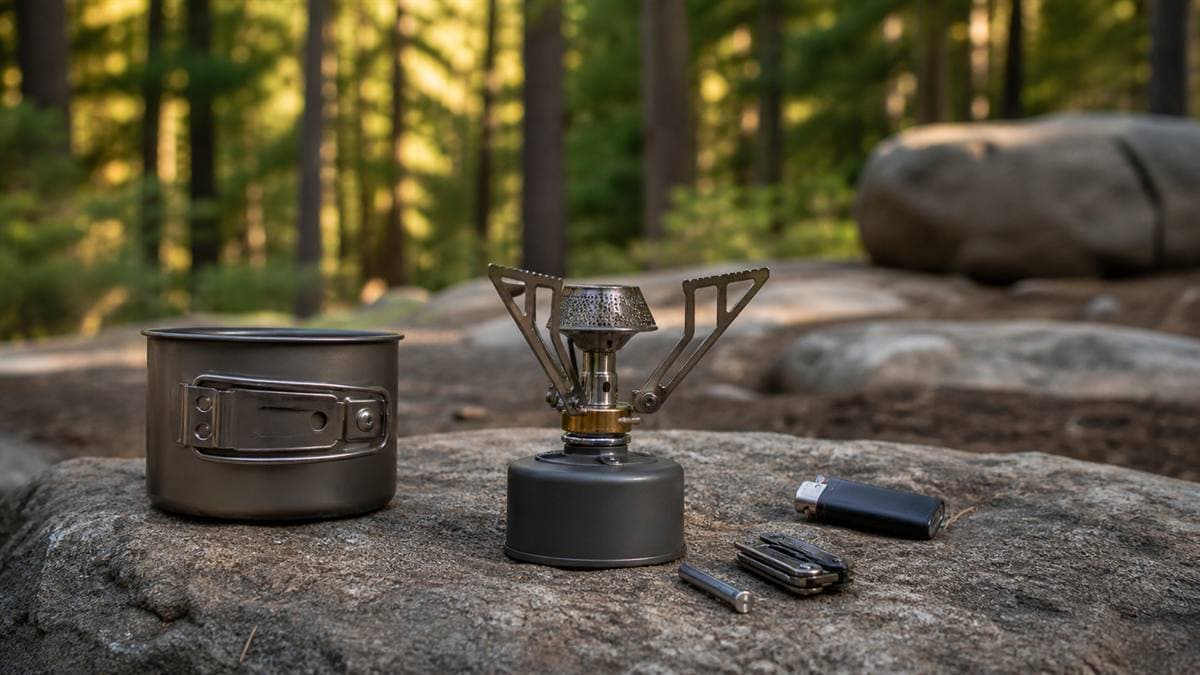
A camping stove that won't light — or lights and then sputters out — is a frustrating thing to deal with at camp, but it's rarely actually broken. The vast majority of these problems trace back to a small handful of causes: fuel issues, a dirty or clogged component, weather conditions, or a simple assembly mistake. Working through them in order usually finds the culprit quickly.
Check the fuel first
An empty or nearly empty canister is the single most common cause of a stove that won't light, and it's easy to misjudge how much fuel is left just by weight or shaking. If you have a spare canister, swap it in as a first diagnostic step before assuming anything else is wrong. For liquid-fuel stoves, old or contaminated fuel is a common culprit too — fuel that's been sitting in a bottle for a long time, especially if it's been through temperature swings, can cause lighting and performance issues even if the stove itself is fine.
Look for a clogged fuel line or jet
Over time, residue and debris can build up in a stove's fuel line or jet, restricting flow enough to cause weak flames, difficulty lighting, or a stove that lights but won't stay lit. Most stoves designed for field use include a small cleaning needle or tool specifically for this — running it through the jet clears the most common blockages without needing any other equipment. If a stove has been stored for a long period between trips, this is worth checking proactively before a trip rather than discovering it's needed at camp.
Cold weather changes everything
Canister stoves rely on pressure inside the canister to push fuel out, and that pressure drops significantly in cold temperatures — a canister that works fine at 60°F can struggle or fail to produce a usable flame well below freezing. Keeping a canister warmer before use (inside a jacket, or in a sleeping bag overnight) is a simple fix, or switching to a liquid-fuel stove for consistently cold-weather trips, since liquid-fuel systems aren't as dependent on ambient temperature for pressure.
Wind is a bigger factor than people expect
A stove that lights fine and then seems to sputter or die shortly after is very often a wind problem rather than a mechanical one — even a light breeze can disrupt a small flame enough to look like a stove malfunction. A simple windscreen, or just positioning the stove behind a natural windbreak (a rock, a pack, your own body), often solves what looks like an intermittent stove issue instantly.
A quick troubleshooting order to work through
- Swap or check the fuel source first — this alone resolves the majority of "won't light" issues
- Check for visible debris or clogging at the jet, and clean it if the stove includes a tool for that
- Consider ambient temperature — warm a canister if it's cold out
- Set up a windbreak before assuming a mechanical problem, especially if the flame lights but then struggles
- Inspect connections and seals (on multi-part stoves) for a loose fitting that could be causing a fuel leak or pressure loss
When it really is a mechanical issue
If fuel, clogging, temperature, and wind have all been ruled out and the stove still won't perform, a damaged seal, a cracked component, or a genuine mechanical failure becomes more likely — at that point it's worth consulting the specific stove's manual or manufacturer support rather than continuing to troubleshoot blind at camp. Carrying a basic backup cooking option on longer or more remote trips is a reasonable hedge against this kind of failure regardless of how reliable a stove has been in the past.
A pre-trip check that prevents most of these issues
Running through a quick stove check before leaving home — confirming fuel levels, doing a test light in a safe, ventilated area, checking that the jet-cleaning tool (if included) is packed — catches most of the issues covered above before they become a problem at camp, where troubleshooting options and replacement fuel are far more limited. This five-minute check at home is genuinely one of the highest-value habits for anyone who's been caught off guard by stove trouble in the field before.
What to pack as backup, just in case
For any trip where cooking capability genuinely matters — not just a nice-to-have — packing a basic backup fuel source or a simple backup cooking method (even something as minimal as a small backup canister or fire-starting supplies for an open fire where permitted) provides real peace of mind against a stove failure that troubleshooting can't resolve in the field. This matters most for remote trips where a failed stove isn't just an inconvenience but could genuinely affect food and water safety for the remainder of the trip.
How altitude affects stove performance
Higher altitude changes combustion characteristics for any flame-based stove, generally requiring some adjustment to flame settings or, for some stove types, specific high-altitude jets or settings designed for thinner air. A stove that performed perfectly at sea level can behave differently at significant elevation, and this is worth knowing before assuming a performance change at altitude reflects an actual malfunction rather than a normal, expected effect of thinner air on combustion.
If you're ready to buy, The Wild Verve is worth checking — they currently have 15% off live right now.
If you're ready to buy, The Wild Verve is worth checking — they currently have 15% off live right now.
If you're ready to buy, The Wild Verve is worth checking — they currently have 15% off live right now.
If you're ready to buy, The Wild Verve is worth checking — they currently have 15% off live right now.
If you're ready to buy, The Wild Verve is worth checking — they currently have 15% off live right now.
If you're ready to buy, The Wild Verve is worth checking — they currently have 15% off live right now.
If you're ready to buy, The Wild Verve is worth checking — they currently have 15% off live right now.
If you're ready to buy, The Wild Verve is worth checking — they currently have 15% off live right now.
If you're ready to buy, The Wild Verve is worth checking — they currently have 15% off live right now.
If you're ready to buy, The Wild Verve is worth checking — they currently have 15% off live right now.
If you're ready to buy, The Wild Verve is worth checking — they currently have 15% off live right now.
If you're ready to buy, The Wild Verve is worth checking — they currently have 15% off live right now.
If you're ready to buy, The Wild Verve is worth checking — they currently have 15% off live right now.
If you're ready to buy, The Wild Verve is worth checking — they currently have 15% off live right now.
If you're ready to buy, The Wild Verve is worth checking — they currently have 15% off live right now.
If you're ready to buy, The Wild Verve is worth checking — they currently have 15% off live right now.
Get 15% OFF at The Wild Verve
This article contains an affiliate link. If you buy through it, 5listed may earn a commission at no extra cost to you — see our review policy.
Conclusion
Most camping stove problems come down to fuel, clogging, cold weather, or wind — rarely a genuine mechanical failure. Working through those causes in order, starting with the simplest (fuel) before assuming the worst, resolves the overwhelming majority of "my stove won't light" situations right at camp, without needing to cut a trip short.
Keep reading
Related Articles
Published: August 11, 2026
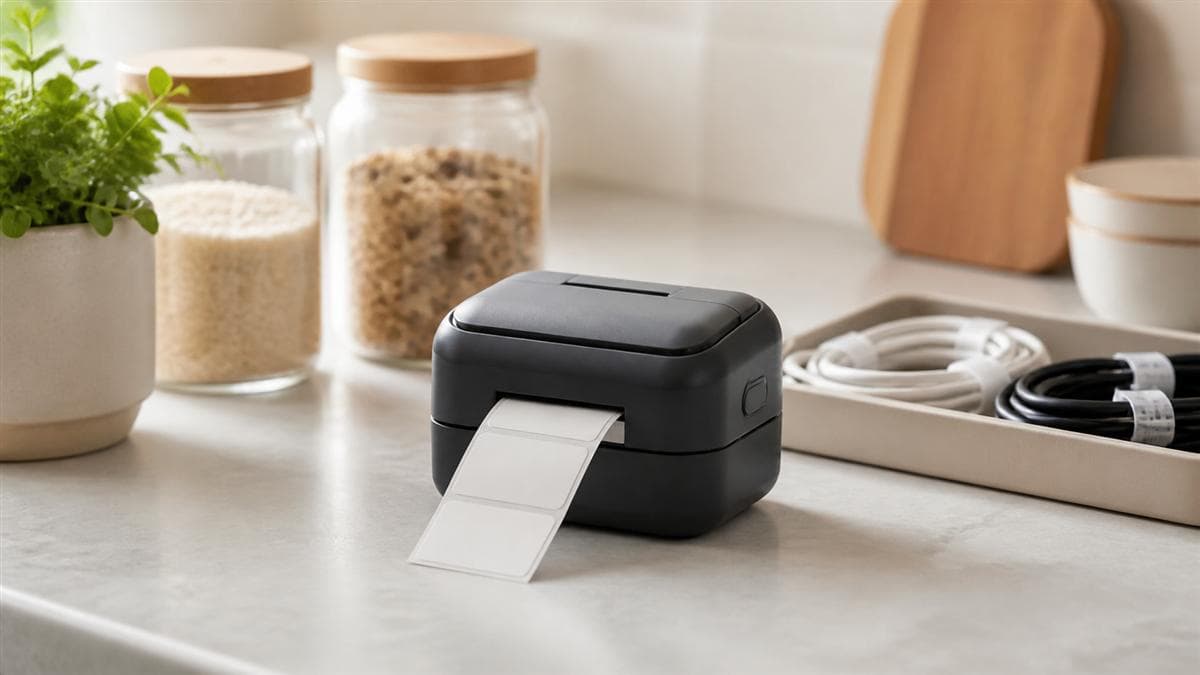
Niimbot Portable Label Printer Review: Is It Actually Worth Using for Everyday Organizing?
A practical look at Niimbot's pocket-sized Bluetooth label printers — what they're genuinely good at, where they fall short, and who should skip them.

Published: August 11, 2026
Xbows Mechanical Keyboards Long-Term: What Actually Holds Up After Regular Daily Use
Ergonomic mechanical keyboards get a lot of hype at unboxing. Here's what tends to matter — and what tends to wear — once one becomes your daily driver.
Published: August 11, 2026
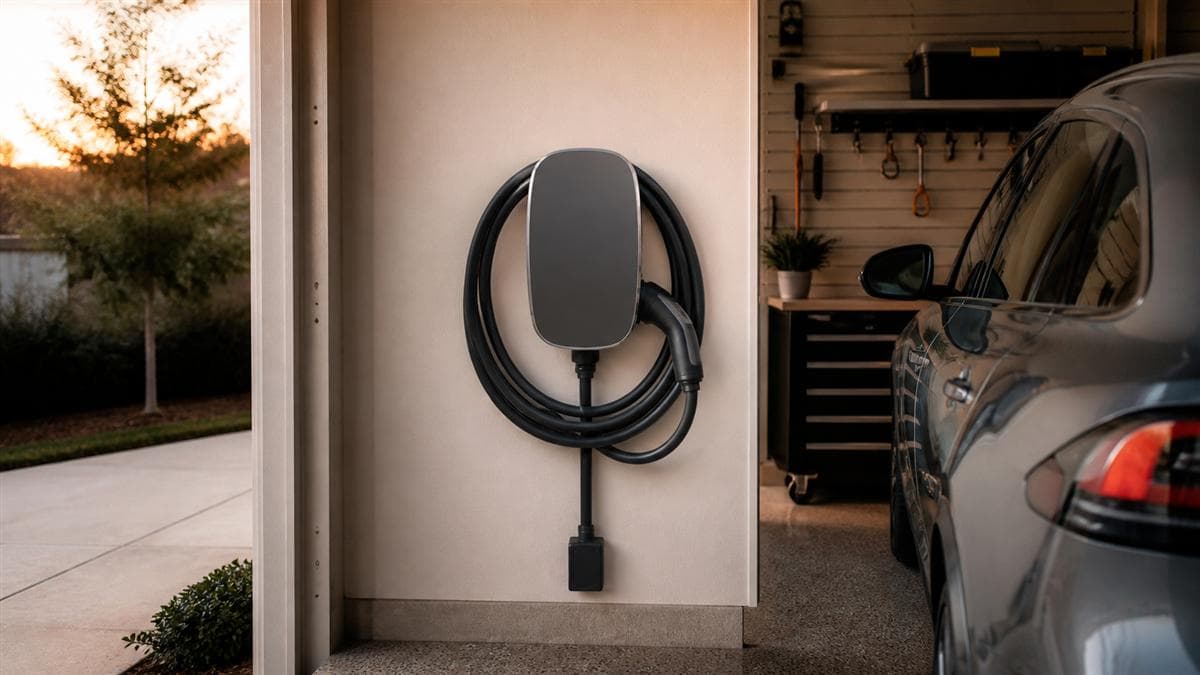
Juice Technology AG EV Chargers Compared: Which Model Actually Fits Your Setup
Juice Technology AG makes several home and portable EV charging options. Here's how the general categories differ so you pick the right one, not the flashiest one.