
How to Measure Your Space for a Hammock Before You Buy One
A hammock that looks perfect in a product photo can be a poor fit for a specific space if the distance between anchor points, available height, or ground clearance wasn't checked beforehand. Measuring properly before buying avoids the common disappointment of a hammock that's too short, hangs too low, or simply doesn't fit where it was meant to go.
Measure the distance between your two anchor points
Whether you're using two trees, hammock stand posts, or wall/post mounting points, measure the straight-line distance between them at the height you plan to hang from — not just the ground distance, since anchor points at different heights change the actual working distance slightly. Most hammocks list a recommended anchor distance range on their packaging or product listing; matching your actual measured distance against that range is the single most important check before buying.
Account for sag, not just the flat hammock length
A hammock hung tight and straight isn't the comfortable, cocooned shape most people actually want — proper hammock comfort comes from a deliberate sag, usually recommended around a 30-degree hang angle from the anchor points. This means the actual anchor distance needed is shorter than the hammock's fully stretched length; a common rule of thumb is that anchor points should be roughly 2-3 feet closer together than the hammock's total length to allow for proper sag.
Check vertical clearance, not just horizontal distance
Height matters as much as width — measure how high your anchor points are and how much clearance exists below where the hammock will hang at its lowest sag point. A hammock that sags to within a few inches of the ground isn't just uncomfortable, it can also mean scraping the ground when someone gets in or out. As a rough guide, aim for the lowest point of the hammock to sit at least 18 inches off the ground when unoccupied, allowing for further sag once someone's actually lying in it.
Measure width if it's a space-constrained spot
For hammocks going in a specific room, porch, or narrow yard section, check the width available for the hammock to swing freely without hitting walls, furniture, or other obstacles — hammocks move with body weight and wind, and a spot that seemed fine when empty can turn out too tight once someone's actually using it and shifting position.
A simple measuring checklist
- Measure straight-line distance between your two anchor points at hanging height
- Subtract roughly 2-3 feet from that distance to compare against a hammock's stated length (allowing for proper sag)
- Check vertical clearance — aim for at least 18 inches of ground clearance at the lowest unoccupied sag point
- Check side clearance for any obstacles the hammock might swing into during normal use
- If using a stand instead of trees/posts, confirm the stand's own footprint fits your available space, not just the hammock itself
What if your anchor points don't quite match the ideal distance
Adjustable suspension straps or ropes give some flexibility to work with anchor points that are slightly closer or farther apart than a hammock's ideal range, within reason. But if the mismatch is significant — anchor points much closer together than even an adjusted hammock can comfortably span, or far enough apart that no reasonable adjustment helps — it's worth looking at a different hammock length rather than forcing an imperfect fit through adjustment alone.
Special considerations for hanging indoors
Indoor hammock installations add a few extra measuring considerations beyond the outdoor basics — checking that wall or ceiling anchor points can actually support the intended weight load (a stud finder is essential here, not just an eyeballed guess), and factoring in ceiling height alongside anchor distance, since indoor spaces often have less vertical room to work with than an open outdoor area between two mature trees. Consulting a professional installer for any anchor point that will bear real body weight, rather than relying purely on DIY judgment, is a reasonable precaution for indoor installations specifically.
Measuring for a hammock stand instead of fixed anchor points
When using a standalone hammock stand rather than trees or fixed posts, the relevant measurement shifts to the stand's own footprint and adjustable length range rather than a fixed distance between two points — checking that the stand's footprint fits the intended space with reasonable clearance on all sides, and that its adjustable range comfortably accommodates your specific hammock's length with room for proper sag, covers the key measuring considerations unique to a stand-based setup.
Accounting for multiple potential hanging spots before committing
If more than one potential location is being considered — different trees in a yard, indoor versus outdoor options — measuring and comparing all candidate spots before making a final hammock purchase avoids buying based on just the first spot considered, only to discover a different location in the same yard would have actually been a better overall fit once properly measured and compared.
Double-checking weight capacity alongside spatial measurements
Beyond spatial fit, confirming a hammock and its anchor points can actually support the intended user weight (or combined weight, for a hammock meant to hold more than one person) is a safety check worth doing alongside the spatial measurements already covered, not an afterthought.
If you're ready to buy, Hammock universe is worth checking — they currently have 11% off live right now.
If you're ready to buy, Hammock universe is worth checking — they currently have 11% off live right now.
If you're ready to buy, Hammock universe is worth checking — they currently have 11% off live right now.
If you're ready to buy, Hammock universe is worth checking — they currently have 11% off live right now.
If you're ready to buy, Hammock universe is worth checking — they currently have 11% off live right now.
If you're ready to buy, Hammock universe is worth checking — they currently have 11% off live right now.
If you're ready to buy, Hammock universe is worth checking — they currently have 11% off live right now.
If you're ready to buy, Hammock universe is worth checking — they currently have 11% off live right now.
If you're ready to buy, Hammock universe is worth checking — they currently have 11% off live right now.
If you're ready to buy, Hammock universe is worth checking — they currently have 11% off live right now.
If you're ready to buy, Hammock universe is worth checking — they currently have 11% off live right now.
If you're ready to buy, Hammock universe is worth checking — they currently have 11% off live right now.
If you're ready to buy, Hammock universe is worth checking — they currently have 11% off live right now.
If you're ready to buy, Hammock universe is worth checking — they currently have 11% off live right now.
If you're ready to buy, Hammock universe is worth checking — they currently have 11% off live right now.
If you're ready to buy, Hammock universe is worth checking — they currently have 11% off live right now.
Get 11% OFF at Hammock universe
This article contains an affiliate link. If you buy through it, 5listed may earn a commission at no extra cost to you — see our review policy.
Conclusion
A few minutes of measuring — anchor distance, sag allowance, vertical clearance, and side clearance — prevents the most common hammock setup disappointments. Buying based on a hammock's stated length alone, without accounting for proper sag and clearance, is the single most avoidable mistake in an otherwise simple purchase.
Keep reading
Related Articles
Published: August 11, 2026
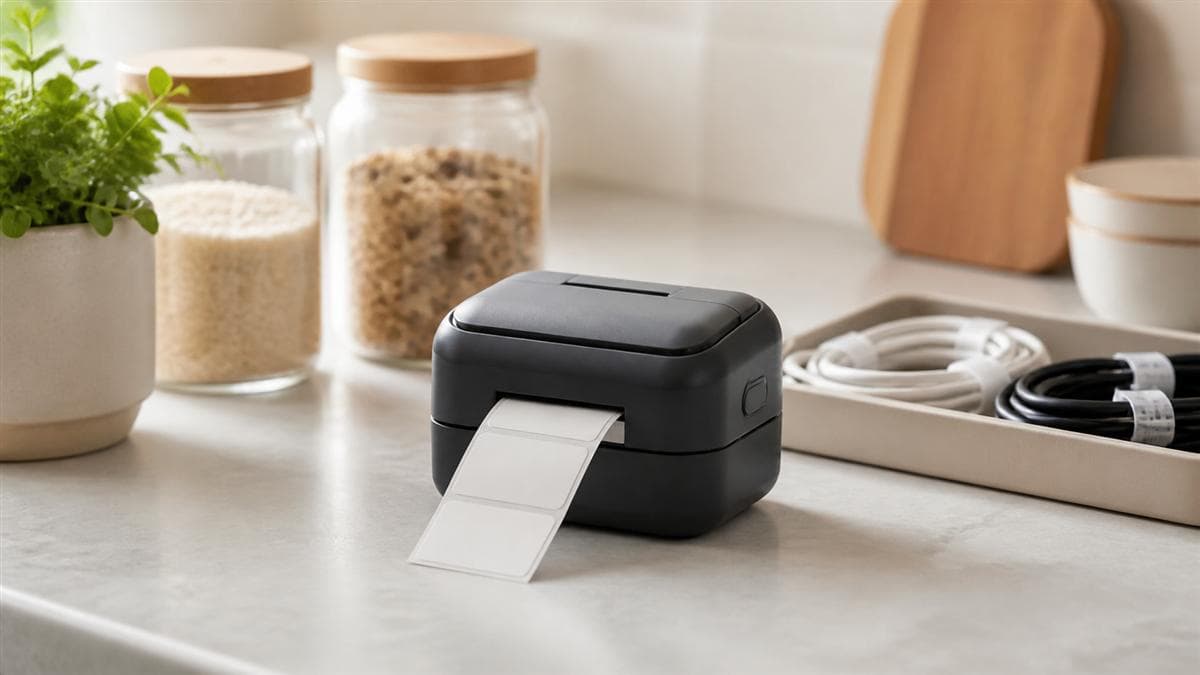
Niimbot Portable Label Printer Review: Is It Actually Worth Using for Everyday Organizing?
A practical look at Niimbot's pocket-sized Bluetooth label printers — what they're genuinely good at, where they fall short, and who should skip them.
Published: August 11, 2026
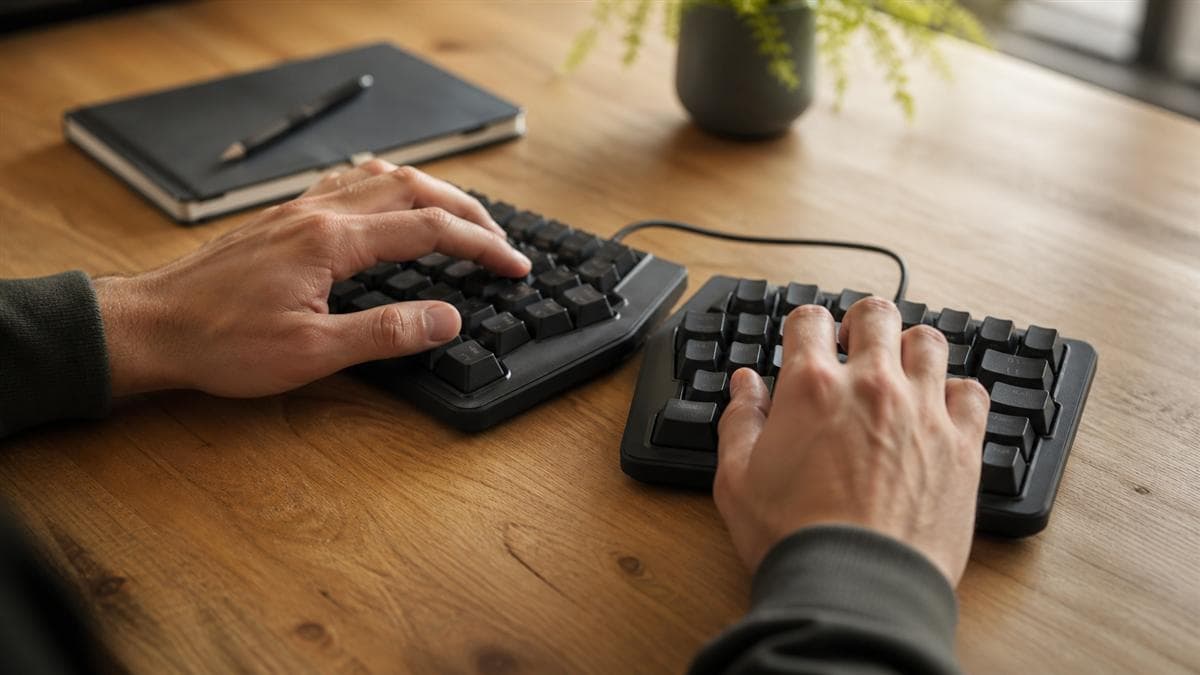
Xbows Mechanical Keyboards Long-Term: What Actually Holds Up After Regular Daily Use
Ergonomic mechanical keyboards get a lot of hype at unboxing. Here's what tends to matter — and what tends to wear — once one becomes your daily driver.
Published: August 11, 2026
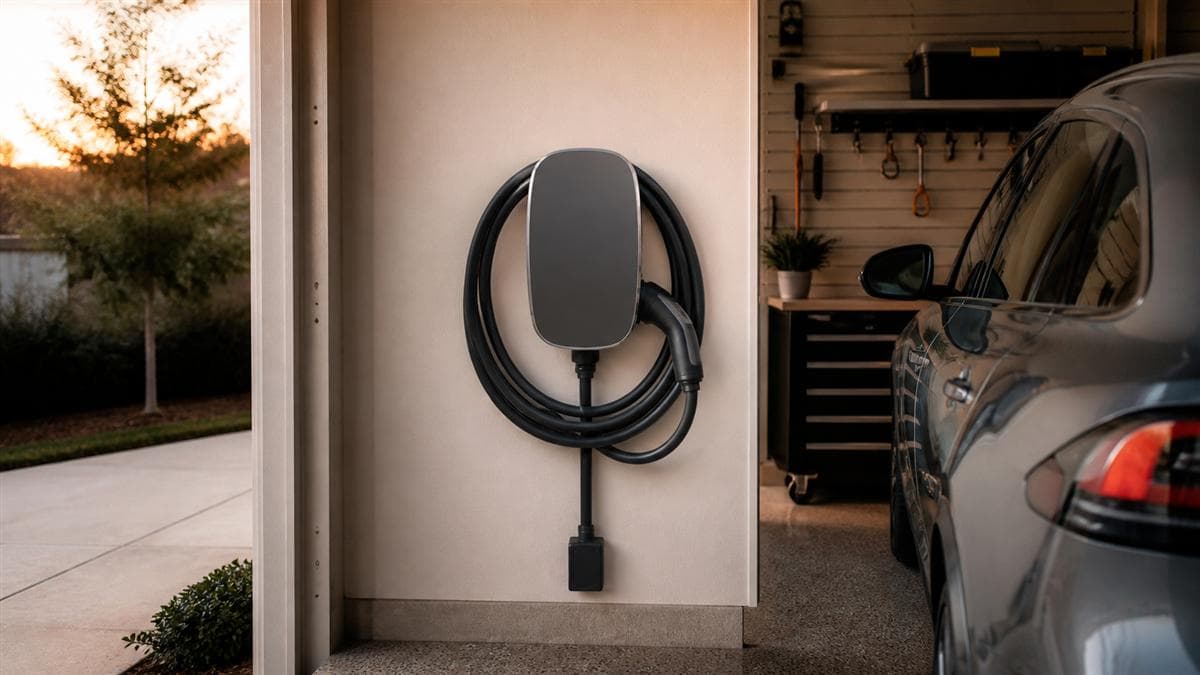
Juice Technology AG EV Chargers Compared: Which Model Actually Fits Your Setup
Juice Technology AG makes several home and portable EV charging options. Here's how the general categories differ so you pick the right one, not the flashiest one.