
An Upgrade Roadmap for Building Out Comfortable Outdoor Seating Over Time
Building genuinely comfortable outdoor seating doesn't need to be a single large purchase — a staged upgrade approach lets you improve comfort incrementally, learn what actually matters for your specific space and habits, and spread the cost out over time rather than committing everything upfront to a setup you haven't tested yet.
Stage 1: solve the biggest comfort gap first
Before buying anything, identify the single biggest comfort issue with your current outdoor seating — is it a hard surface needing basic cushioning, inadequate back support, or simply not enough seating for how the space actually gets used? Addressing the most significant gap first, rather than spreading a budget thin across several minor improvements, delivers the most noticeable comfort improvement per dollar spent at this early stage.
Stage 2: add weather-resistant cushioning where it's missing
Once the biggest single gap is addressed, this is the stage to fill in cushioning across the rest of the seating setup, prioritizing outdoor-rated, weather-resistant materials that can handle sun and occasional moisture exposure without deteriorating quickly. Skipping proper outdoor-rated materials to save money at this stage often means replacing cushions again within a season or two, making it a false economy compared to investing in genuinely weather-appropriate materials from the start.
Stage 3: add storage to protect the investment
Once real money is invested in quality cushions, proper storage (a deck box, a covered storage bench, or simply bringing cushions inside during bad weather) protects that investment significantly — cushions left out through repeated rain and sun exposure degrade far faster than ones given basic weather protection between uses. This stage often gets skipped because it doesn't feel as immediately rewarding as buying more cushions, but it directly extends how long the stage 1 and 2 investments actually last.
Stage 4: refine with accent and comfort details
With core comfort and durability addressed, this is the stage for accent pillows, lumbar support additions, or upgrading to higher-end fill materials for cushions that see the most regular use — refinements that improve the experience meaningfully but aren't essential to basic comfort and durability, making them reasonable to defer until the fundamentals are solid.
A practical staged budget approach
- Stage 1: address the single biggest comfort gap — often the most-used seat or the hardest surface
- Stage 2: fill in remaining seating with genuinely weather-rated cushioning, not budget indoor materials repurposed outdoors
- Stage 3: add storage or covering to protect the cushion investment from weather degradation
- Stage 4: accent details and comfort refinements once the fundamentals are solid
Why staging works better than one big purchase
Buying an entire outdoor seating setup at once, before living with any of it, risks committing to choices (fill firmness, color, fabric texture) that turn out to be a poor fit for your actual preferences once you're using them regularly. A staged approach lets real-world experience with stage 1 and 2 purchases inform stage 3 and 4 decisions, generally leading to a setup that fits your actual preferences better than everything chosen upfront and simultaneously.
How climate should influence the pace and order of this roadmap
In climates with a long, mild outdoor season, this roadmap can reasonably unfold over a single year as outdoor space gets heavy, sustained use. In climates with a short outdoor season, it may make more sense to stretch stages 3 and 4 across a couple of years, since the storage and refinement stages matter less urgently when outdoor furniture only sees a few months of real use annually before needing to be put away for winter regardless. Adjusting the pace of this roadmap to your actual climate and outdoor season length, rather than following a fixed universal timeline, makes the whole approach more realistic.
Signs it's time to move faster through a stage than planned
Occasionally, real-world use reveals a comfort or durability gap faster than the general staged roadmap anticipates — a specific cushion showing premature wear, or a seating gap becoming obvious the first time hosting a larger gathering. Being willing to accelerate a later stage's timeline when a genuine, clearly identified need arises, rather than rigidly sticking to the roadmap's general order, keeps the approach practical rather than dogmatic.
How hosting frequency should influence the roadmap's pacing
Households that host gatherings frequently benefit from prioritizing stage 2 (filling in full seating capacity) earlier relative to stage 4 refinements than a household that mostly uses outdoor seating for quiet, personal relaxation — matching the roadmap's pacing to actual hosting patterns, rather than following a rigid universal order, ensures the most-needed capacity and comfort improvements arrive when they'll actually be used and appreciated most.
How to handle furniture inherited or acquired secondhand within this roadmap
Secondhand or inherited furniture can fit naturally into stage 1 or 2 of this roadmap, often providing a lower-cost way to establish basic seating capacity before investing further — the roadmap's staged logic applies just as well to a mixed collection of new and secondhand pieces as to an entirely new purchase.
If you're ready to buy, Rockin cushions is worth checking — they currently have 10% off live right now.
If you're ready to buy, Rockin cushions is worth checking — they currently have 10% off live right now.
If you're ready to buy, Rockin cushions is worth checking — they currently have 10% off live right now.
If you're ready to buy, Rockin cushions is worth checking — they currently have 10% off live right now.
If you're ready to buy, Rockin cushions is worth checking — they currently have 10% off live right now.
If you're ready to buy, Rockin cushions is worth checking — they currently have 10% off live right now.
If you're ready to buy, Rockin cushions is worth checking — they currently have 10% off live right now.
If you're ready to buy, Rockin cushions is worth checking — they currently have 10% off live right now.
If you're ready to buy, Rockin cushions is worth checking — they currently have 10% off live right now.
If you're ready to buy, Rockin cushions is worth checking — they currently have 10% off live right now.
If you're ready to buy, Rockin cushions is worth checking — they currently have 10% off live right now.
If you're ready to buy, Rockin cushions is worth checking — they currently have 10% off live right now.
If you're ready to buy, Rockin cushions is worth checking — they currently have 10% off live right now.
If you're ready to buy, Rockin cushions is worth checking — they currently have 10% off live right now.
If you're ready to buy, Rockin cushions is worth checking — they currently have 10% off live right now.
If you're ready to buy, Rockin cushions is worth checking — they currently have 10% off live right now.
Get 10% OFF at Rockin cushions
This article contains an affiliate link. If you buy through it, 5listed may earn a commission at no extra cost to you — see our review policy.
Conclusion
A comfortable, durable outdoor seating setup builds well in stages — address the biggest comfort gap first, fill in with genuinely weather-rated cushioning, protect that investment with proper storage, and only then move to accent refinements. This order spreads cost over time and lets real experience with earlier stages inform later choices, leading to a setup that actually fits how the space gets used.
Keep reading
Related Articles
Published: August 11, 2026
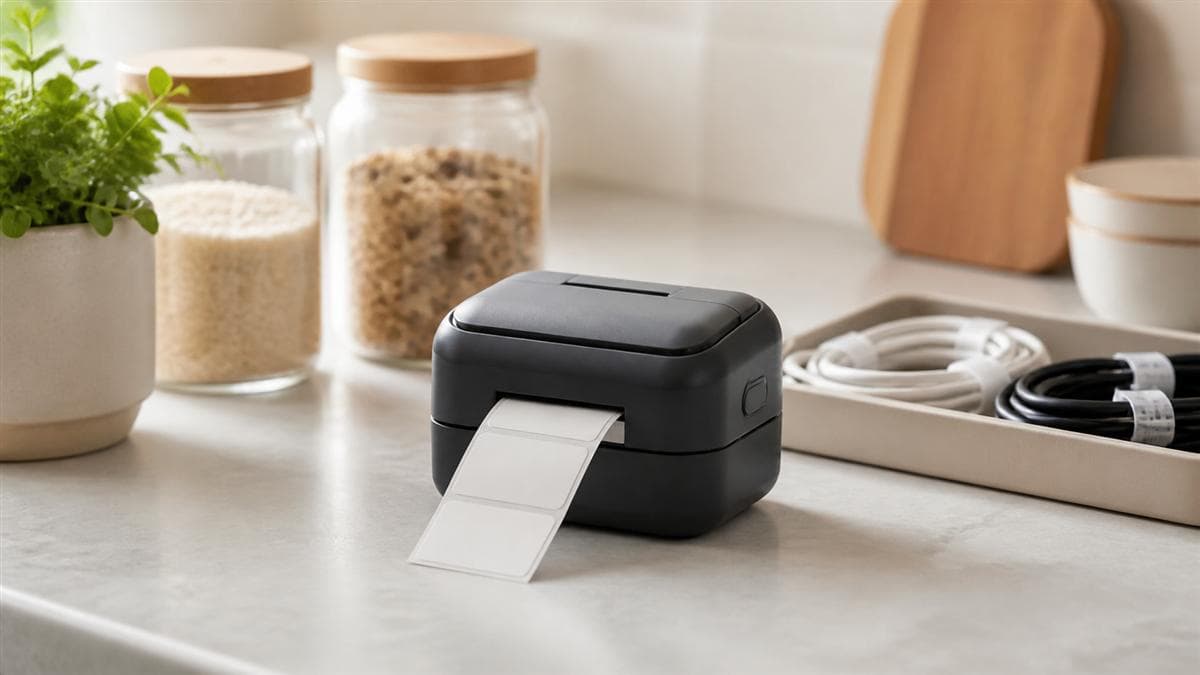
Niimbot Portable Label Printer Review: Is It Actually Worth Using for Everyday Organizing?
A practical look at Niimbot's pocket-sized Bluetooth label printers — what they're genuinely good at, where they fall short, and who should skip them.
Published: August 11, 2026
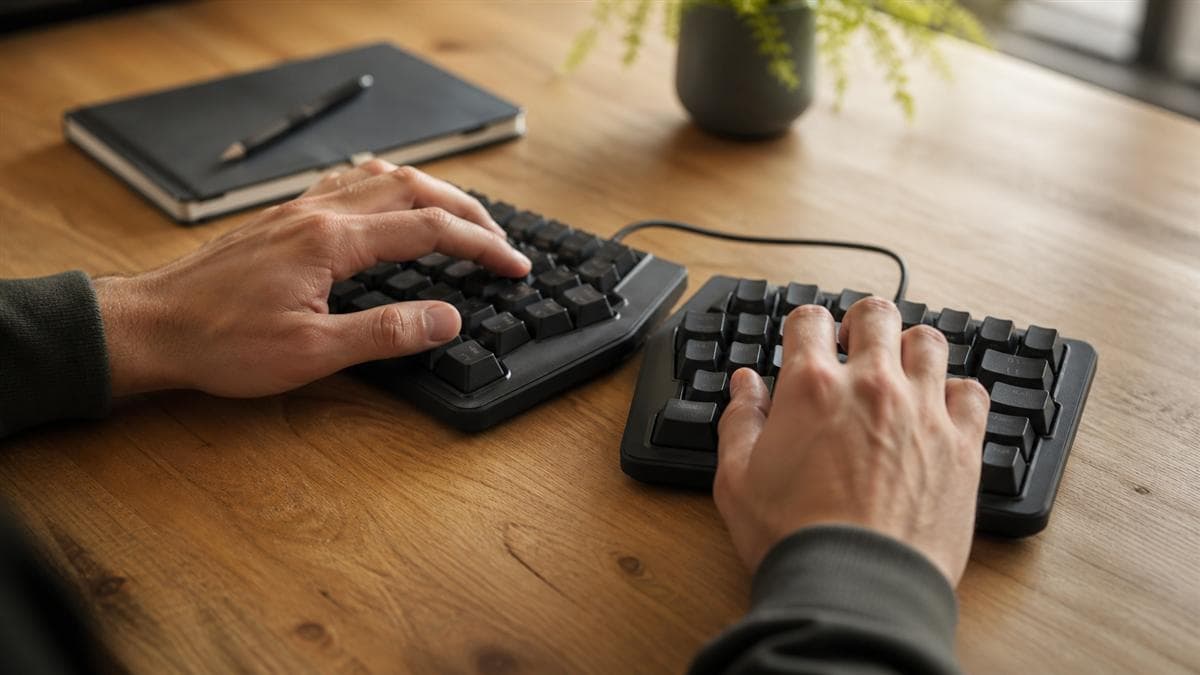
Xbows Mechanical Keyboards Long-Term: What Actually Holds Up After Regular Daily Use
Ergonomic mechanical keyboards get a lot of hype at unboxing. Here's what tends to matter — and what tends to wear — once one becomes your daily driver.
Published: August 11, 2026
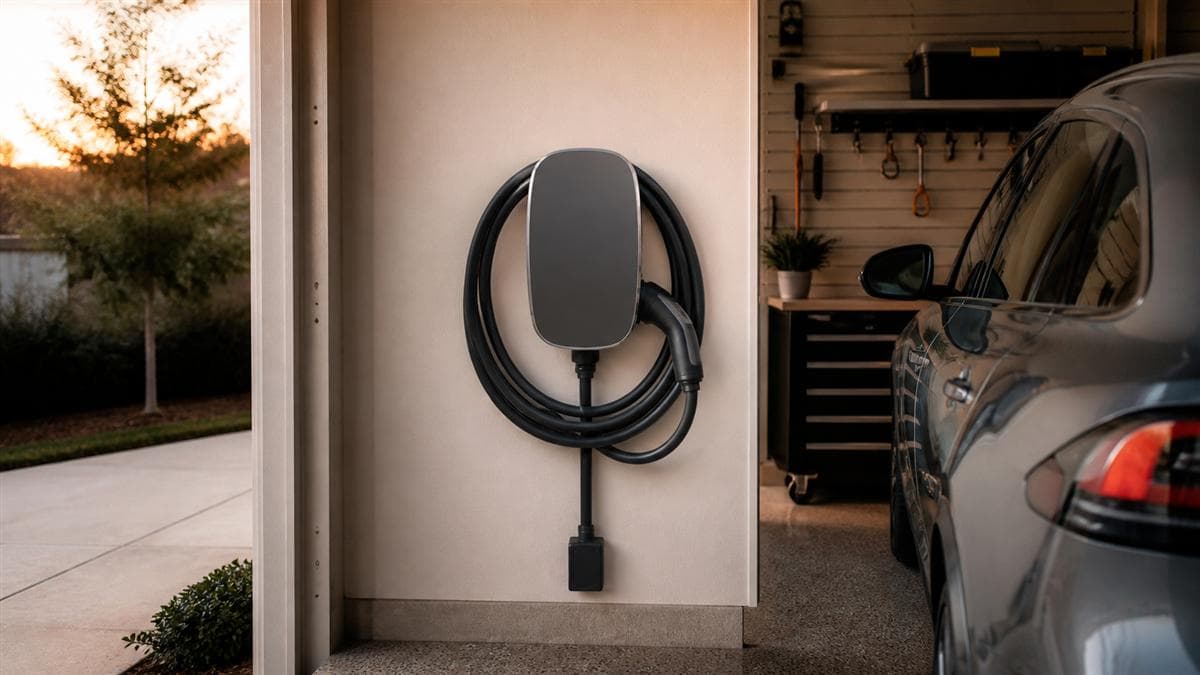
Juice Technology AG EV Chargers Compared: Which Model Actually Fits Your Setup
Juice Technology AG makes several home and portable EV charging options. Here's how the general categories differ so you pick the right one, not the flashiest one.