
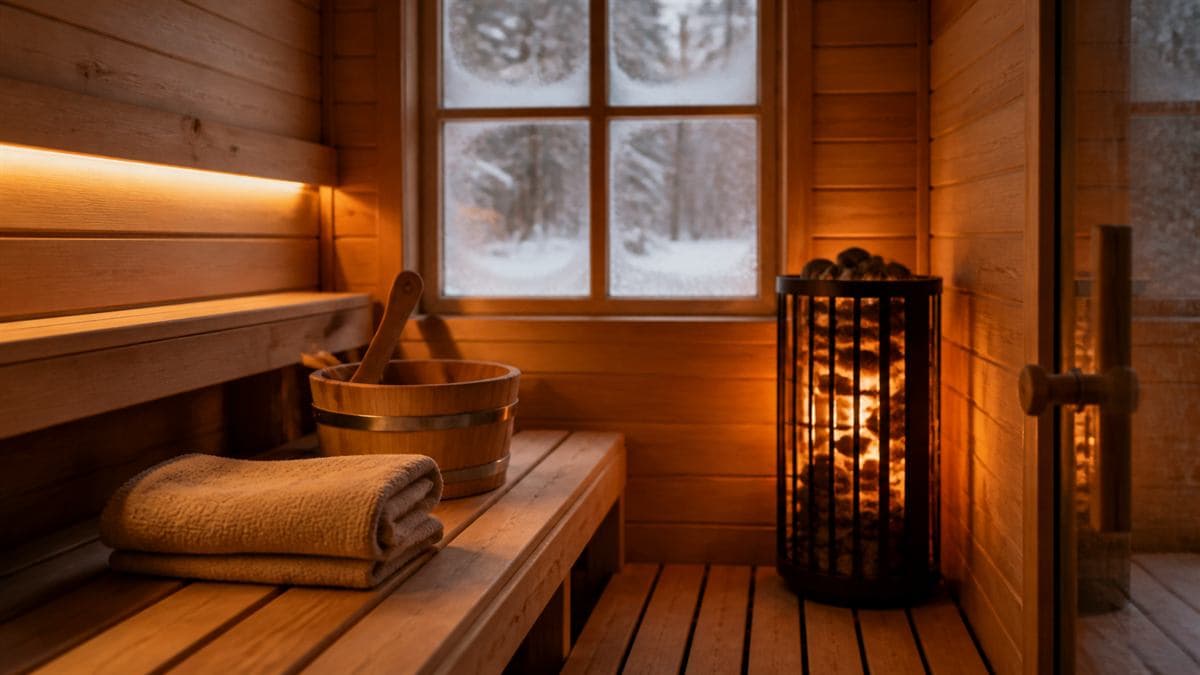
Winter is when home saunas actually earn their keep — colder weather makes that post-sauna cool-down feel dramatically better, and a lot of owners shift from occasional use to a near-daily routine once temperatures drop. Before ramping up usage, it's worth running through a short prep checklist, especially if the sauna has sat mostly idle since last winter. A little attention now avoids running into an issue mid-session on a cold night when you least want to troubleshoot.
1. Inspect the heater before first use
Whether it's a traditional electric heater or an infrared setup, give it a visual check for dust buildup, loose connections, or anything that looks off before turning it on for an extended session. A quick shorter test session is a reasonable way to confirm everything's working normally before committing to a full-length sit. Dust that's accumulated on a heater over months of non-use can produce an odd smell the first time it heats up — that's usually normal and clears after a session or two, but it's worth knowing in advance so it doesn't seem alarming.
2. Check ventilation
Good airflow matters more than people expect — it affects both how the heat feels and long-term humidity/moisture buildup inside the cabin. Confirm vents aren't blocked by anything that might have been stored nearby during the off-season, and that any adjustable vent is moving freely. Poor ventilation over a full winter of heavier use can also contribute to wood damage over time, so this step connects directly to the wood-care step below.
3. Look over the wood
Interior wood benches and walls can develop minor issues if the sauna sat unused in a humid space — check for any soft spots, discoloration, or rough patches that might need a light sanding. Wood in good condition also just makes for a nicer sauna experience, since you're in direct contact with it. If you do find rough patches, a light sanding followed by a wood-safe conditioning treatment (appropriate for sauna-grade wood specifically, since regular furniture products aren't heat-safe) can meaningfully extend the life of the interior.
4. Clean before heavy use ramps up
A simple wipe-down of benches and floor removes accumulated dust from the off-season and gets ahead of the sweat/moisture buildup that comes with more frequent winter sessions. This is much easier to do once at the start of the season than to catch up on later, once weekly use has already built up residue that's harder to remove.
5. Check door seals and hardware
A door that doesn't seal well lets heat escape, making sessions less efficient and forcing the heater to work harder than it should. Check hinges for looseness and any seal or gasket for cracking or wear — this is an easy thing to overlook since it doesn't affect anything until the sauna is actually running, at which point you'll just notice it's not heating up the way it used to.
6. Revisit basic safety habits
- Keep water nearby for hydration between sessions
- Know your own reasonable session-length limits, especially early in the season before your body re-adjusts to heat exposure
- Make sure the door and any safety features open and close properly
- Ease back into a regular routine rather than jumping straight to last winter's session length on day one
Setting up a simple seasonal maintenance log
Keeping a brief written log — even just a few notes in a phone app — of when major prep steps were last done (heater inspection, wood conditioning, deep clean) makes each following season's prep faster and more thorough than relying on memory alone. Over a few years, this kind of simple record also helps spot patterns, like a specific vent that tends to need attention every season or a wood surface that benefits from more frequent conditioning than initially expected, letting future prep sessions become more targeted and efficient rather than a full generic checklist every time.
This is also a good moment each season to reassess whether your actual usage habits from last winter matched what you'd planned — did session frequency end up higher or lower than expected, did the routine hold up through the coldest stretch, and does anything about the physical space (seating, lighting, general comfort) need a small upgrade before ramping back into heavier winter use. Treating the seasonal prep pass as both a maintenance check and a habit review tends to produce a noticeably better season than a purely mechanical checklist run-through.
Comparing electric versus wood-fired heater prep specifically
Electric heaters and traditional wood-fired heaters have somewhat different prep needs worth distinguishing — electric heaters benefit most from the dust and connection checks already covered, while wood-fired units additionally need a check of the flue or venting system for any blockage that may have developed over the off-season, along with confirming a fresh, dry wood supply is on hand before the season's heaviest use begins. Skipping the flue-specific check on a wood-fired unit is a more serious oversight than skipping the equivalent step on an electric unit, given the added combustion and ventilation considerations unique to wood-fired heating.
Whichever heater type is in use, having a basic understanding of the specific manufacturer's recommended maintenance schedule — rather than relying purely on general sauna maintenance advice — helps make sure any model-specific requirements aren't missed during a general seasonal prep pass.
If you're ready to buy, Sauna is worth checking — they currently have 5% off live right now.
If you're ready to buy, Sauna is worth checking — they currently have 5% off live right now.
If you're ready to buy, Sauna is worth checking — they currently have 5% off live right now.
If you're ready to buy, Sauna is worth checking — they currently have 5% off live right now.
If you're ready to buy, Sauna is worth checking — they currently have 5% off live right now.
If you're ready to buy, Sauna is worth checking — they currently have 5% off live right now.
If you're ready to buy, Sauna is worth checking — they currently have 5% off live right now.
If you're ready to buy, Sauna is worth checking — they currently have 5% off live right now.
If you're ready to buy, Sauna is worth checking — they currently have 5% off live right now.
If you're ready to buy, Sauna is worth checking — they currently have 5% off live right now.
If you're ready to buy, Sauna is worth checking — they currently have 5% off live right now.
If you're ready to buy, Sauna is worth checking — they currently have 5% off live right now.
If you're ready to buy, Sauna is worth checking — they currently have 5% off live right now.
If you're ready to buy, Sauna is worth checking — they currently have 5% off live right now.
If you're ready to buy, Sauna is worth checking — they currently have 5% off live right now.
If you're ready to buy, Sauna is worth checking — they currently have 5% off live right now.
Get 5% OFF at Sauna
This article contains an affiliate link. If you buy through it, 5listed may earn a commission at no extra cost to you — see our review policy.
Conclusion
A short prep pass — heater check, ventilation, wood condition, door seals, a clean, and a safety refresher — takes less than an hour but sets up a much smoother winter sauna season. Doing this once at the start of the season, rather than troubleshooting mid-use later, is the simplest way to make sure your sauna is ready right when you actually want to use it most.
Keep reading
Related Articles
Published: August 11, 2026
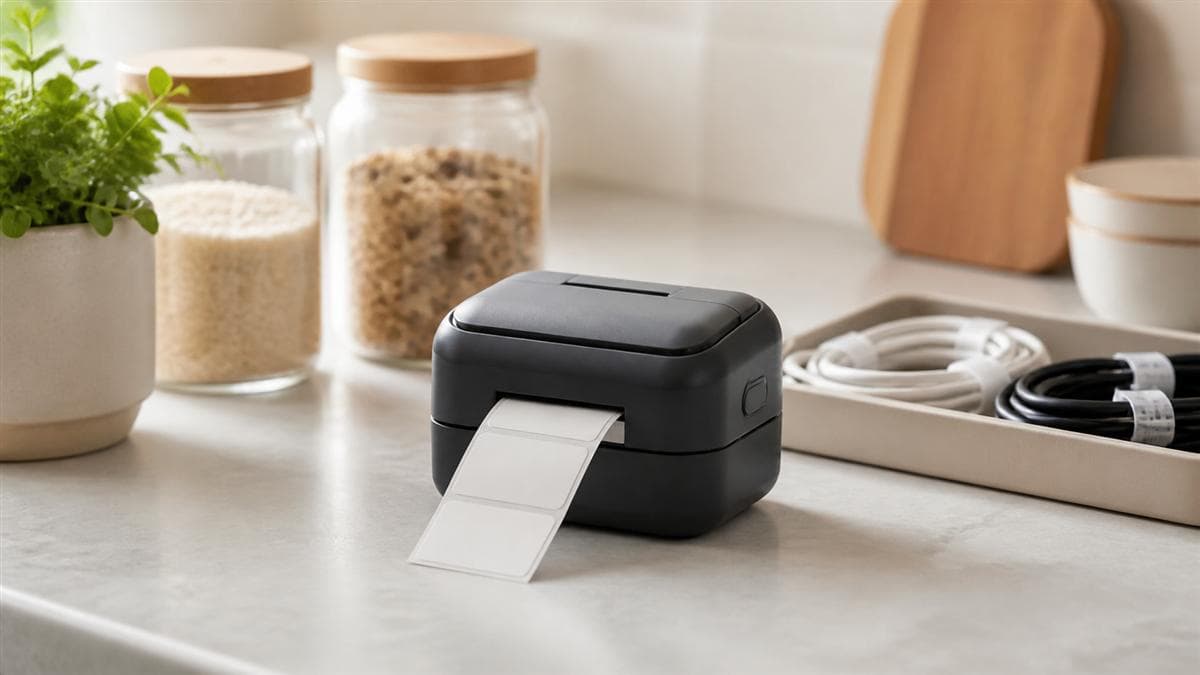
Niimbot Portable Label Printer Review: Is It Actually Worth Using for Everyday Organizing?
A practical look at Niimbot's pocket-sized Bluetooth label printers — what they're genuinely good at, where they fall short, and who should skip them.

Published: August 11, 2026
Xbows Mechanical Keyboards Long-Term: What Actually Holds Up After Regular Daily Use
Ergonomic mechanical keyboards get a lot of hype at unboxing. Here's what tends to matter — and what tends to wear — once one becomes your daily driver.
Published: August 11, 2026
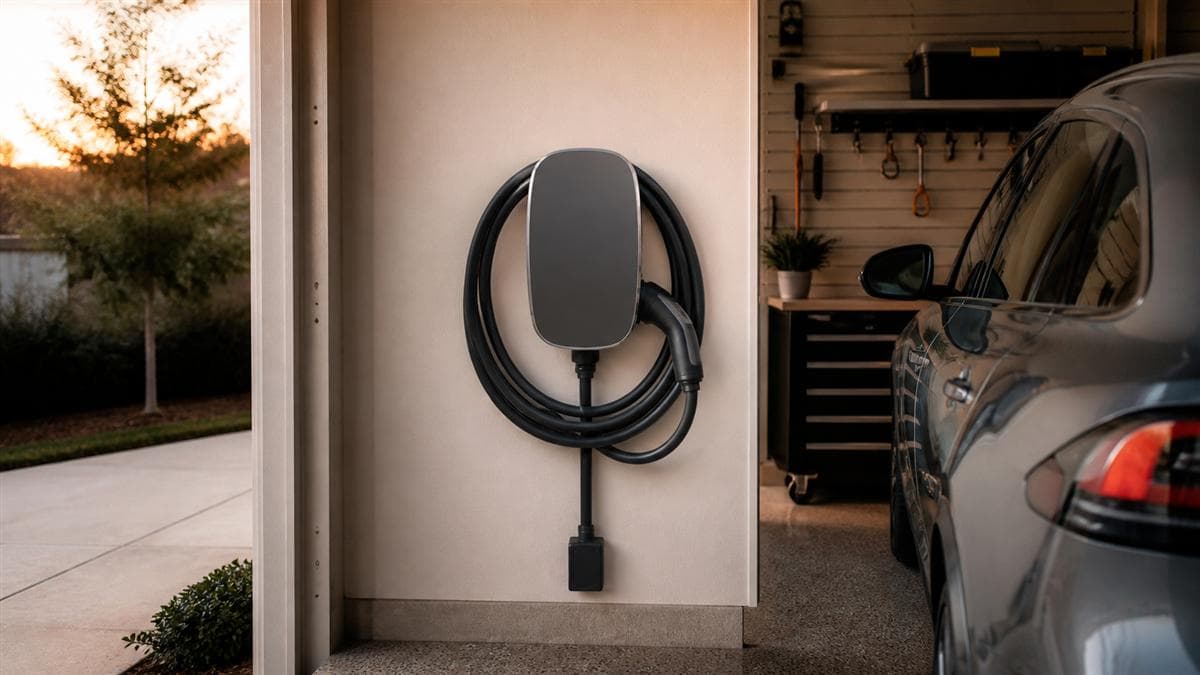
Juice Technology AG EV Chargers Compared: Which Model Actually Fits Your Setup
Juice Technology AG makes several home and portable EV charging options. Here's how the general categories differ so you pick the right one, not the flashiest one.