
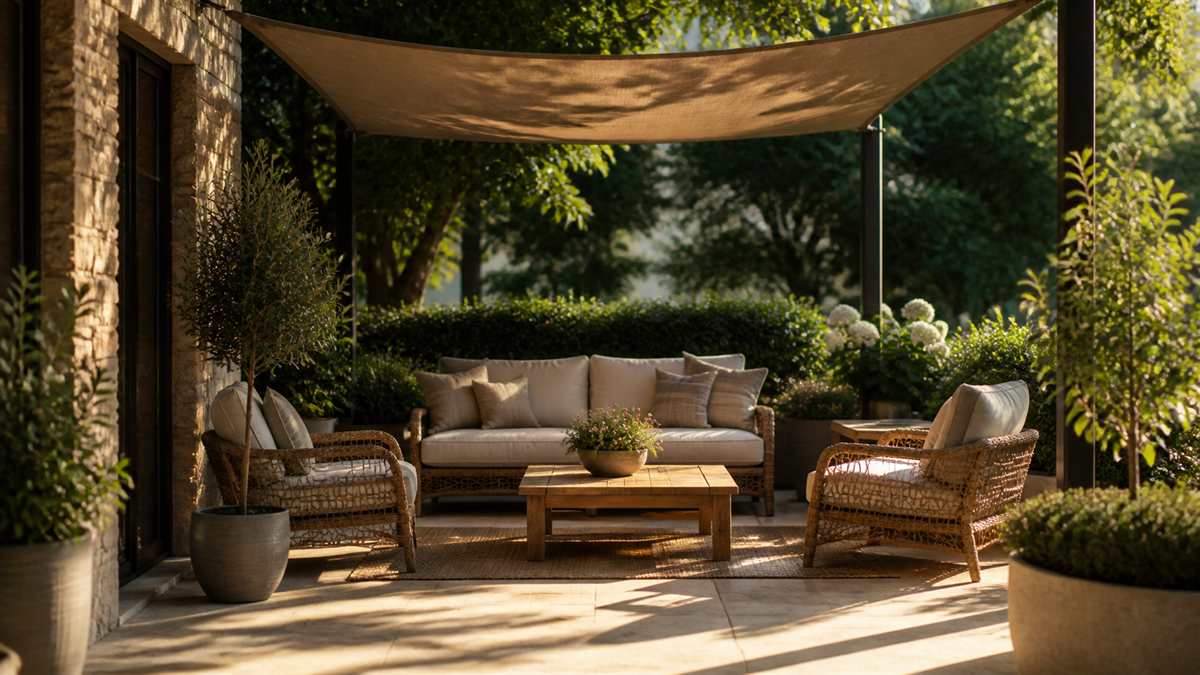
Outdoor living spaces have quietly become one of the more active home-improvement categories in recent years, as more people treat their patio or backyard as a genuine extension of their living space rather than an afterthought. Here's what stood out this year specifically, based on what people actually kept using rather than just tried once and abandoned.
Shade became a design decision, not an afterthought
Instead of a single umbrella thrown up as needed, more setups this year treated shade as part of the initial layout — positioned shade sails, adjustable canopies, or pergola-style structures planned alongside seating rather than added later. This shift makes sense: shade determines how usable a space is for most of the day, so planning it first rather than last leads to spaces that actually get used more. A patio that's only comfortable for an hour in the evening gets a fraction of the use of one that's shaded through the hottest part of the day.
This also changed how people approached furniture placement generally — rather than arranging seating first and figuring out shade later, more setups worked backward from where shade would naturally fall throughout the day, adjusting the whole layout around it.
Multi-purpose furniture over single-use pieces
Storage benches, extendable tables, and modular seating that reconfigures for different group sizes were noticeably more popular than fixed single-purpose furniture. This tracks with smaller outdoor footprints in general — getting more function out of the same square footage matters more when space is limited. A storage bench that seats two and hides cushions or gardening tools does more work per square foot than a decorative bench that only seats.
Warmer, softer material choices
A move away from purely utilitarian plastic and metal toward warmer materials — natural-look wood tones, woven textures, softer cushion fabrics — even in budget-friendly product lines. Outdoor spaces increasingly get treated with the same aesthetic care as indoor rooms, not just functional afterthoughts. This shows up even in smaller details, like planters and lighting fixtures moving away from purely functional designs toward pieces that would look at home in an indoor living room.
Lighting extended usable hours
Layered outdoor lighting — string lights, low path lighting, and softer ambient fixtures rather than a single bright floodlight — showed up more often this year as people extended outdoor time into the evening. This connects directly to the shade trend: once a space is comfortable to sit in longer, lighting becomes the next investment that determines how many hours a day it actually gets used.
What didn't stick as much
- Heavily tech-integrated outdoor gadgets (speakers built into everything, app-controlled lighting for small spaces) saw less enthusiasm than expected — simpler setups tended to win out for most households
- Ultra-trend-specific color palettes that looked great in marketing photos but were harder to match with existing outdoor furniture people already owned
- Overly complex modular systems that promised endless reconfiguration but proved more fiddly in practice than a few well-chosen flexible pieces
What this means if you're planning changes
If you're updating an outdoor space, the trends that held up share a common thread: they solve a real usability problem (shade, flexible seating, comfort, extended hours through lighting) rather than chasing a purely aesthetic trend. That's usually a good filter for any purchase in this category — ask whether it makes the space more usable, not just whether it looks current in a photo.
How this year's trends differ from a few years back
Comparing this year's shifts against the outdoor living trends of a few years prior shows a clear move away from purely decorative, Instagram-driven purchases toward setups genuinely built around extended daily use — a change that tracks with more people treating outdoor space as a true extension of their living area rather than an occasional-use backdrop for photos. Earlier trend cycles leaned more heavily on statement pieces and bold, trend-forward colors that didn't always hold up to years of actual use or blend well with a yard's existing furniture; this year's shift toward functional fundamentals reflects a maturing of the category as more people have lived with their initial outdoor setups long enough to learn what actually gets used.
What to watch for heading into next year
Early signals suggest continued investment in flexible, multi-season setups — furniture and shade solutions that adapt across spring, summer, and fall rather than being packed away for most of the year, along with continued growth in lighting as a category that extends daily usable hours. Whether these signals hold up as genuine adoption or fade as another passing trend will become clearer over the coming year, but the underlying driver — treating outdoor space as genuinely usable living space — looks like a durable shift rather than a short-term fad.
Regional variation in how these trends actually showed up
These broader trends didn't play out identically everywhere — climates with longer outdoor seasons saw more investment in permanent, built-in-feeling shade and furniture solutions, while climates with shorter outdoor seasons leaned more toward portable, storable versions of the same underlying trends discussed above. Recognizing that a trend reported broadly might need local adaptation before it makes sense for a specific climate and outdoor season length is worth keeping in mind rather than assuming a nationally reported trend applies identically to every region and yard.
If you're ready to buy, Sunseeker is worth checking — they currently have 5% off live right now.
If you're ready to buy, Sunseeker is worth checking — they currently have 5% off live right now.
If you're ready to buy, Sunseeker is worth checking — they currently have 5% off live right now.
If you're ready to buy, Sunseeker is worth checking — they currently have 5% off live right now.
If you're ready to buy, Sunseeker is worth checking — they currently have 5% off live right now.
If you're ready to buy, Sunseeker is worth checking — they currently have 5% off live right now.
If you're ready to buy, Sunseeker is worth checking — they currently have 5% off live right now.
If you're ready to buy, Sunseeker is worth checking — they currently have 5% off live right now.
If you're ready to buy, Sunseeker is worth checking — they currently have 5% off live right now.
If you're ready to buy, Sunseeker is worth checking — they currently have 5% off live right now.
If you're ready to buy, Sunseeker is worth checking — they currently have 5% off live right now.
If you're ready to buy, Sunseeker is worth checking — they currently have 5% off live right now.
If you're ready to buy, Sunseeker is worth checking — they currently have 5% off live right now.
If you're ready to buy, Sunseeker is worth checking — they currently have 5% off live right now.
If you're ready to buy, Sunseeker is worth checking — they currently have 5% off live right now.
If you're ready to buy, Sunseeker is worth checking — they currently have 5% off live right now.
Get 5% OFF at Sunseeker
This article contains an affiliate link. If you buy through it, 5listed may earn a commission at no extra cost to you — see our review policy.
Conclusion
This year's outdoor living shifts were less about flashy new gadgets and more about smarter fundamentals — planned shade, flexible furniture, warmer materials, and lighting that extends usable hours. Those are also the changes most likely to still feel worthwhile next year, since they're rooted in actual usability rather than a passing look.
Keep reading
Related Articles
Published: August 11, 2026
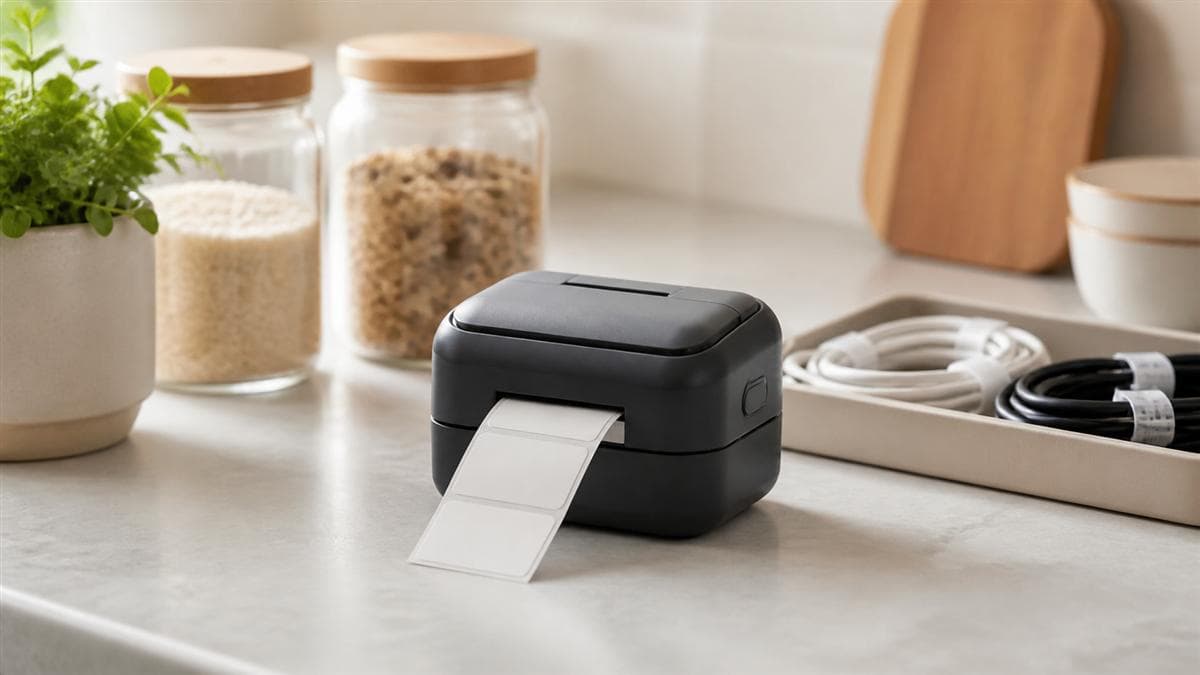
Niimbot Portable Label Printer Review: Is It Actually Worth Using for Everyday Organizing?
A practical look at Niimbot's pocket-sized Bluetooth label printers — what they're genuinely good at, where they fall short, and who should skip them.
Published: August 11, 2026
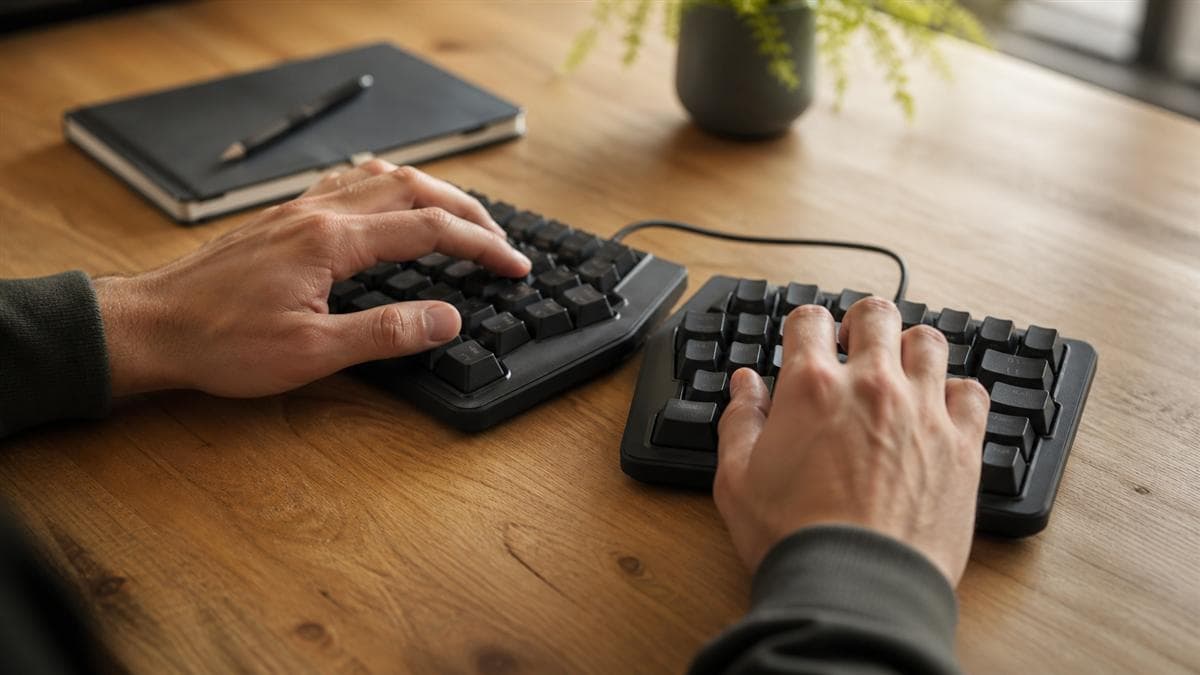
Xbows Mechanical Keyboards Long-Term: What Actually Holds Up After Regular Daily Use
Ergonomic mechanical keyboards get a lot of hype at unboxing. Here's what tends to matter — and what tends to wear — once one becomes your daily driver.
Published: August 11, 2026
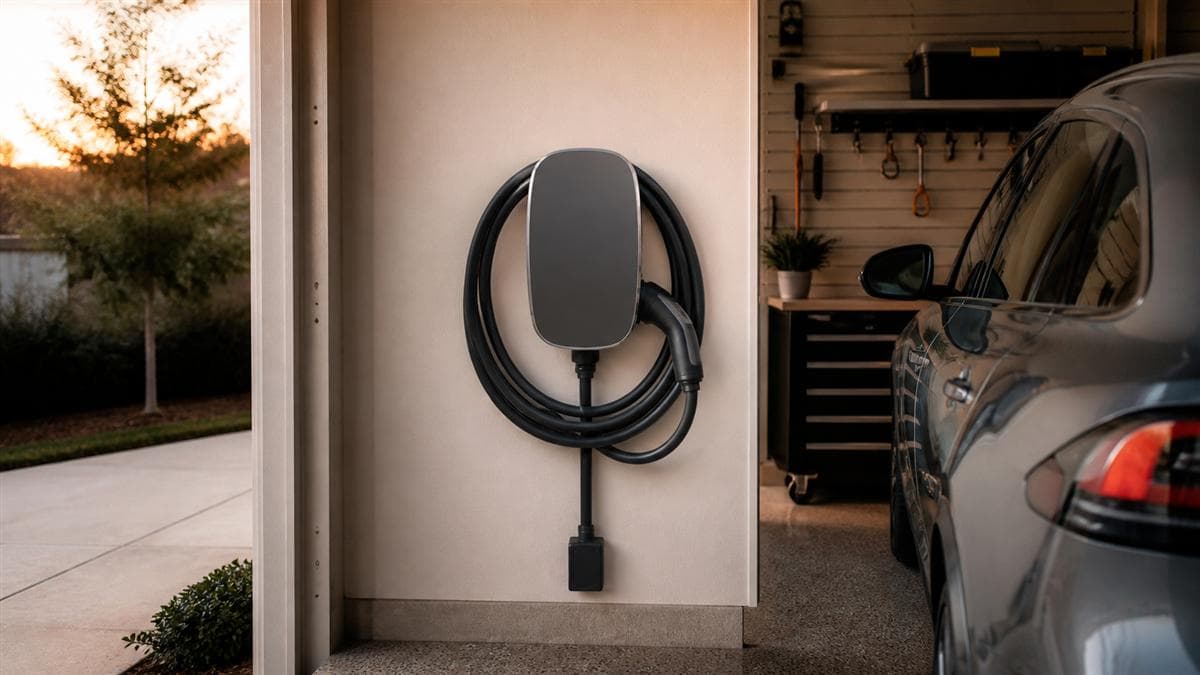
Juice Technology AG EV Chargers Compared: Which Model Actually Fits Your Setup
Juice Technology AG makes several home and portable EV charging options. Here's how the general categories differ so you pick the right one, not the flashiest one.