
Safety Basics When Cleaning and Conditioning Leather Bags at Home
Leather cleaning and conditioning products are generally mild compared to harsher household chemicals, but a few real precautions matter — especially around ventilation, testing on the actual material first, and avoiding certain product combinations that can damage leather or, in rarer cases, cause an unwanted chemical reaction.
Always patch test before treating the whole bag
Leather varies significantly by tanning process, finish, and dye method, and a cleaning or conditioning product that works well on one leather item can discolor, darken, or otherwise visibly affect another. Testing any new product on a small, inconspicuous area first — the underside of a strap, an interior corner — before applying it broadly is the single most important habit here, and it takes only a few minutes to check for an adverse reaction before committing to the whole bag.
Ventilation matters for solvent-based products specifically
Some leather cleaners and conditioners contain solvents with noticeable fumes, and using them in a small, enclosed space (a closet, a small bathroom) without adequate airflow can cause genuine discomfort or, with prolonged exposure, more concerning symptoms like headache or dizziness. Working in a well-ventilated room, or near an open window with airflow, is a simple precaution worth taking even for products that don't seem overtly strong-smelling out of the bottle.
Don't mix cleaning products, even leather-specific ones
Combining multiple cleaning or conditioning products — especially anything with different chemical bases — can cause unpredictable reactions or simply damage the leather's finish, even if each product is individually safe on its own. Stick to one product at a time, following its specific instructions fully, rather than layering multiple treatments in the same session hoping for a stronger combined effect.
Keep products away from skin contact where possible, especially with sensitivities
Basic gloves during application reduce prolonged skin contact with cleaning and conditioning chemicals, which matters more for anyone with sensitive skin or known chemical sensitivities. Even mild leather-care products can cause irritation with repeated or prolonged skin contact for sensitive individuals, and gloves are a low-effort precaution that also happens to keep hands clean during a task that can otherwise leave residue on skin.
Storage and disposal considerations
- Store leather cleaning products away from heat sources and out of direct sunlight, which can degrade the product and, for some formulations, increase pressure inside sealed containers
- Keep products in their original, labeled containers rather than transferring to unlabeled bottles — this matters for anyone else in the household who might come across it later without context
- Check local guidance on disposal for anything solvent-based rather than assuming it's fine for regular household trash
- Keep away from children and pets, same as with any household cleaning chemical, even ones marketed as gentle or natural
A quick pre-cleaning safety checklist
- Patch test on an inconspicuous area first, every time, even with a product you've used before on a different item
- Work in a ventilated space, especially for anything with a noticeable scent
- Use one product at a time — never mix cleaning or conditioning products in the same session
- Wear gloves if you have sensitive skin or are doing an extended cleaning session
Recognizing signs a product may not be safe to continue using
Any sudden change in a familiar product's smell, color, or texture compared to previous use — separation in a liquid product, an unusual odor that wasn't present before — is a reasonable sign to stop using it and consider replacement, since products can degrade over time in ways that affect both performance and safety, particularly once opened and exposed to air repeatedly. Checking any product's general shelf life guidance, when available, and being willing to discard a product that seems off rather than using it anyway, is a simple habit that avoids unnecessary risk for a relatively low-cost item.
What to do if a product causes an unexpected skin reaction
If skin irritation occurs during or after handling a leather care product despite reasonable precautions, washing the affected area thoroughly with soap and water and discontinuing use of that specific product is the appropriate immediate response — and for any reaction that seems more than mild or that doesn't resolve reasonably quickly, seeking medical advice is the sensible next step rather than continuing to use the product or assuming it will resolve on its own.
Keeping a simple record of what products work well for your specific bags
Leather varies enough between different bags that a product working well on one item doesn't guarantee the same result on another — keeping a brief personal note of which products have been successfully patch-tested and used on which specific bags avoids re-testing from scratch every time and builds a reliable personal reference over time as a leather collection grows.
Working in appropriate clothing for the task
Wearing clothing you don't mind getting a stray product spill on, and keeping long sleeves rolled up or out of the way, is a small practical precaution worth taking alongside the more significant safety habits already covered — cleaning products can stain fabric even when used carefully.
Timing cleaning sessions away from other household chemical use
Avoiding leather cleaning sessions at the same time as other household chemical tasks (like bathroom cleaning) reduces the risk of accidentally combining fumes from unrelated products in a shared space, even when neither product alone is particularly hazardous.
If you're ready to buy, Undercontrol is worth checking — they currently have 10% off with code UNDERCONTROL-HIEN-COUPON live right now.
If you're ready to buy, Undercontrol is worth checking — they currently have 10% off with code UNDERCONTROL-HIEN-COUPON live right now.
If you're ready to buy, Undercontrol is worth checking — they currently have 10% off with code UNDERCONTROL-HIEN-COUPON live right now.
If you're ready to buy, Undercontrol is worth checking — they currently have 10% off with code UNDERCONTROL-HIEN-COUPON live right now.
If you're ready to buy, Undercontrol is worth checking — they currently have 10% off with code UNDERCONTROL-HIEN-COUPON live right now.
If you're ready to buy, Undercontrol is worth checking — they currently have 10% off with code UNDERCONTROL-HIEN-COUPON live right now.
If you're ready to buy, Undercontrol is worth checking — they currently have 10% off with code UNDERCONTROL-HIEN-COUPON live right now.
If you're ready to buy, Undercontrol is worth checking — they currently have 10% off with code UNDERCONTROL-HIEN-COUPON live right now.
If you're ready to buy, Undercontrol is worth checking — they currently have 10% off with code UNDERCONTROL-HIEN-COUPON live right now.
If you're ready to buy, Undercontrol is worth checking — they currently have 10% off with code UNDERCONTROL-HIEN-COUPON live right now.
If you're ready to buy, Undercontrol is worth checking — they currently have 10% off with code UNDERCONTROL-HIEN-COUPON live right now.
If you're ready to buy, Undercontrol is worth checking — they currently have 10% off with code UNDERCONTROL-HIEN-COUPON live right now.
If you're ready to buy, Undercontrol is worth checking — they currently have 10% off with code UNDERCONTROL-HIEN-COUPON live right now.
If you're ready to buy, Undercontrol is worth checking — they currently have 10% off with code UNDERCONTROL-HIEN-COUPON live right now.
If you're ready to buy, Undercontrol is worth checking — they currently have 10% off with code UNDERCONTROL-HIEN-COUPON live right now.
If you're ready to buy, Undercontrol is worth checking — they currently have 10% off with code UNDERCONTROL-HIEN-COUPON live right now.
Get 10% OFF at Undercontrol
Use code UNDERCONTROL-HIEN-COUPON at checkout
This article contains an affiliate link. If you buy through it, 5listed may earn a commission at no extra cost to you — see our review policy.
Conclusion
Leather care products are mild compared to a lot of household chemicals, but patch testing, working in ventilated spaces, and never mixing products are genuine precautions worth taking seriously rather than skipping. A few minutes of caution protects both your bag's finish and your own comfort during the cleaning process.
Keep reading
Related Articles
Published: August 11, 2026
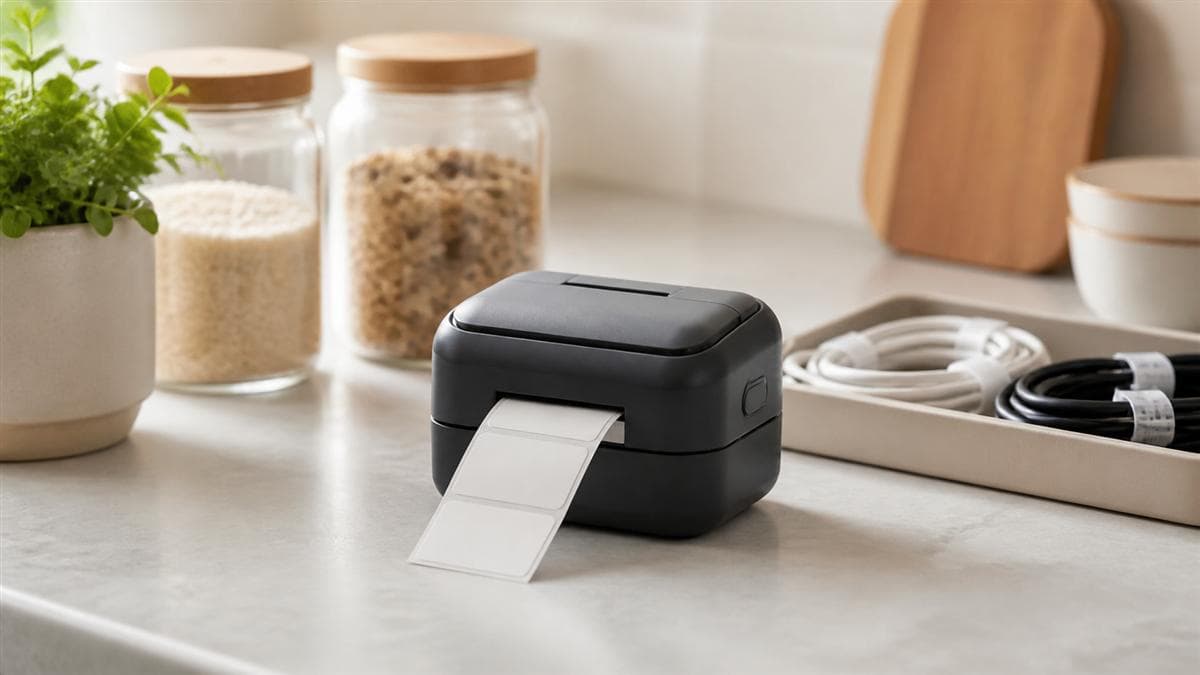
Niimbot Portable Label Printer Review: Is It Actually Worth Using for Everyday Organizing?
A practical look at Niimbot's pocket-sized Bluetooth label printers — what they're genuinely good at, where they fall short, and who should skip them.

Published: August 11, 2026
Xbows Mechanical Keyboards Long-Term: What Actually Holds Up After Regular Daily Use
Ergonomic mechanical keyboards get a lot of hype at unboxing. Here's what tends to matter — and what tends to wear — once one becomes your daily driver.

Published: August 11, 2026
Juice Technology AG EV Chargers Compared: Which Model Actually Fits Your Setup
Juice Technology AG makes several home and portable EV charging options. Here's how the general categories differ so you pick the right one, not the flashiest one.