
A Realistic Timeline for Actually Getting Good at Packing a Bag
Efficient packing looks effortless when watching someone experienced do it, which makes it easy to assume the right bag or organizing tool alone will fix a lifetime of overpacking. In reality, packing efficiency is a skill built over several actual trips, through genuine trial and error, more than a single product purchase can solve on its own.
Trip 1-2: overpacking is normal, and useful data
The first couple of trips after deciding to actually get better at packing usually still end up overpacked — this isn't failure, it's useful information. Paying attention to what actually got used versus what came home untouched on these early trips is far more valuable than trying to nail a minimal packing list from the very first attempt, before you have any real data about your own actual travel habits and needs.
Trip 3-4: start building a personal baseline list
By this point, patterns start emerging — categories of items that reliably go unused, and things you consistently wish you'd packed but didn't. This is the stage to start writing an actual personal packing list template based on real experience rather than a generic list found online, adjusted for your own specific travel style, climate preferences, and what you've learned tends to actually get used.
Trip 5-6: refine organization systems, not just contents
Once the "what to pack" question feels more settled, attention shifts naturally to "how to pack it" — testing packing cubes, compression bags, or other organizational tools to see what actually improves your specific process versus what just adds an extra step without real benefit. This is genuinely a personal-preference stage; some people love compression systems, others find the same items pack just as efficiently rolled or folded without extra tools.
Beyond trip 6: packing becomes fast and close to automatic
With a real personal baseline list and an organizing system that's been tested across multiple real trips, packing at this stage typically takes a fraction of the time and mental effort it did at the start — a genuinely developed skill rather than a stressful pre-trip scramble each time. This is also usually when people start comfortably packing lighter than they ever thought realistic in the early trips, since experience has replaced anxious over-preparation.
What actually accelerates this timeline
- Actually reviewing what you used versus didn't after each trip, rather than repacking the same list out of habit next time
- Being honest about your own real travel patterns rather than packing for a hypothetical version of the trip that rarely matches reality
- Trying one new packing approach or tool per trip rather than overhauling the whole system at once, so you can tell what specifically helped
- Keeping a simple running note (even just a phone note) of "wish I'd packed X" or "never touched Y" immediately after each trip, while it's still fresh
A note on gear versus skill
A better bag or a genuinely well-designed organizational system does help, but it's a multiplier on skill, not a replacement for it — the same overpacking habits happen in an excellent bag as in a mediocre one if the underlying packing decisions haven't improved. Building the skill first, then investing in gear that supports the system you've actually developed, tends to work better than expecting a purchase to solve the habit on its own.
Building a reusable packing list template as skill develops
By the later stages of this timeline, it's worth formalizing the personal insights gathered into an actual written or app-based packing list template, organized by trip type (weekend trip, longer vacation, work travel) if your travel patterns vary meaningfully by purpose. Having this template ready before a trip, rather than reconstructing a packing list from memory each time, both saves pre-trip time and helps ensure the hard-won lessons from earlier trips actually get applied consistently rather than being forgotten under the stress of pre-trip preparation.
How packing skill transfers across different trip types
Skills developed packing for one type of trip — efficient folding, honest self-assessment of what actually gets used — transfer well to other trip types, even though the specific contents of the packing list itself may differ significantly between a beach vacation and a business trip. This means the investment in building genuine packing skill through the stages above pays off across your whole travel life, not just for the specific trip type where the skill was originally developed.
How weather and destination-specific factors complicate the learning curve
Packing skill built primarily around one type of destination or climate doesn't automatically transfer perfectly to a very different one — someone who's built genuine efficiency packing for warm-weather trips may find a cold-weather or highly variable-climate trip requires relearning some assumptions. Treating a genuinely new destination type as a partial reset on the learning curve, rather than assuming built-up general skill transfers completely, sets more realistic expectations for that first trip to a new kind of destination.
How packing lists differ for solo versus group travel
Packing for a group trip introduces coordination considerations (shared items, avoiding redundant packing across travelers) that solo travel doesn't require, and the personal skill built through the stages above transfers well to group coordination once individual packing efficiency is solidly established.
If you're ready to buy, Undercontrol is worth checking — they currently have 10% off with code UNDERCONTROL-HIEN-COUPON live right now.
If you're ready to buy, Undercontrol is worth checking — they currently have 10% off with code UNDERCONTROL-HIEN-COUPON live right now.
If you're ready to buy, Undercontrol is worth checking — they currently have 10% off with code UNDERCONTROL-HIEN-COUPON live right now.
If you're ready to buy, Undercontrol is worth checking — they currently have 10% off with code UNDERCONTROL-HIEN-COUPON live right now.
If you're ready to buy, Undercontrol is worth checking — they currently have 10% off with code UNDERCONTROL-HIEN-COUPON live right now.
If you're ready to buy, Undercontrol is worth checking — they currently have 10% off with code UNDERCONTROL-HIEN-COUPON live right now.
If you're ready to buy, Undercontrol is worth checking — they currently have 10% off with code UNDERCONTROL-HIEN-COUPON live right now.
If you're ready to buy, Undercontrol is worth checking — they currently have 10% off with code UNDERCONTROL-HIEN-COUPON live right now.
If you're ready to buy, Undercontrol is worth checking — they currently have 10% off with code UNDERCONTROL-HIEN-COUPON live right now.
If you're ready to buy, Undercontrol is worth checking — they currently have 10% off with code UNDERCONTROL-HIEN-COUPON live right now.
If you're ready to buy, Undercontrol is worth checking — they currently have 10% off with code UNDERCONTROL-HIEN-COUPON live right now.
If you're ready to buy, Undercontrol is worth checking — they currently have 10% off with code UNDERCONTROL-HIEN-COUPON live right now.
If you're ready to buy, Undercontrol is worth checking — they currently have 10% off with code UNDERCONTROL-HIEN-COUPON live right now.
If you're ready to buy, Undercontrol is worth checking — they currently have 10% off with code UNDERCONTROL-HIEN-COUPON live right now.
If you're ready to buy, Undercontrol is worth checking — they currently have 10% off with code UNDERCONTROL-HIEN-COUPON live right now.
If you're ready to buy, Undercontrol is worth checking — they currently have 10% off with code UNDERCONTROL-HIEN-COUPON live right now.
Get 10% OFF at Undercontrol
Use code UNDERCONTROL-HIEN-COUPON at checkout
This article contains an affiliate link. If you buy through it, 5listed may earn a commission at no extra cost to you — see our review policy.
Conclusion
Packing efficiency is a genuine skill built over several real trips of honest review, not something solved instantly by the right product. Expect the first couple of trips to still be somewhat overpacked, use that as real data rather than a failure, and the system that emerges by trip five or six will be a far better fit for your actual travel habits than any generic packing list could offer from day one.
Keep reading
Related Articles
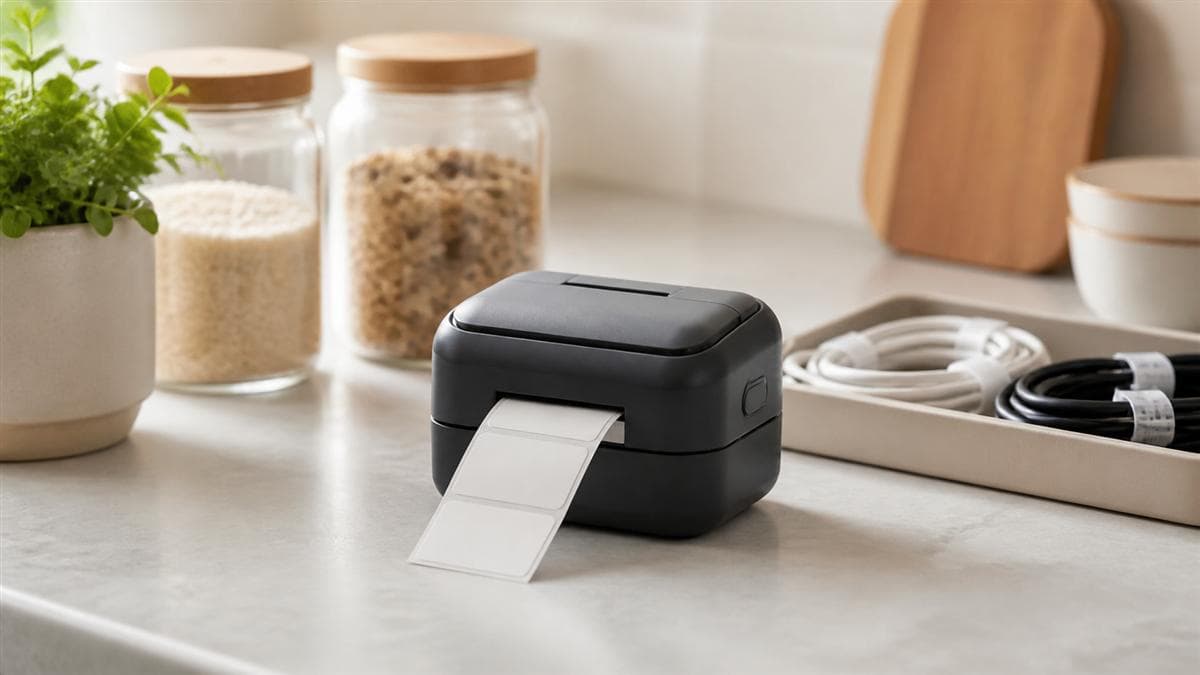
Published: August 11, 2026
Niimbot Portable Label Printer Review: Is It Actually Worth Using for Everyday Organizing?
A practical look at Niimbot's pocket-sized Bluetooth label printers — what they're genuinely good at, where they fall short, and who should skip them.
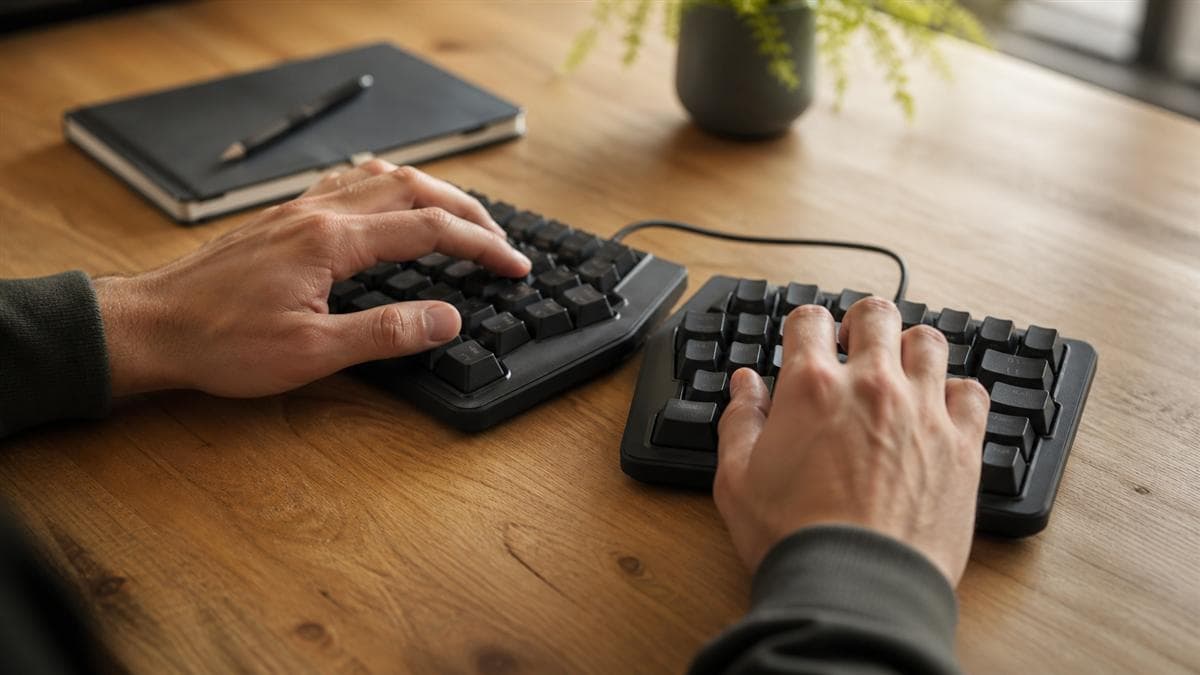
Published: August 11, 2026
Xbows Mechanical Keyboards Long-Term: What Actually Holds Up After Regular Daily Use
Ergonomic mechanical keyboards get a lot of hype at unboxing. Here's what tends to matter — and what tends to wear — once one becomes your daily driver.
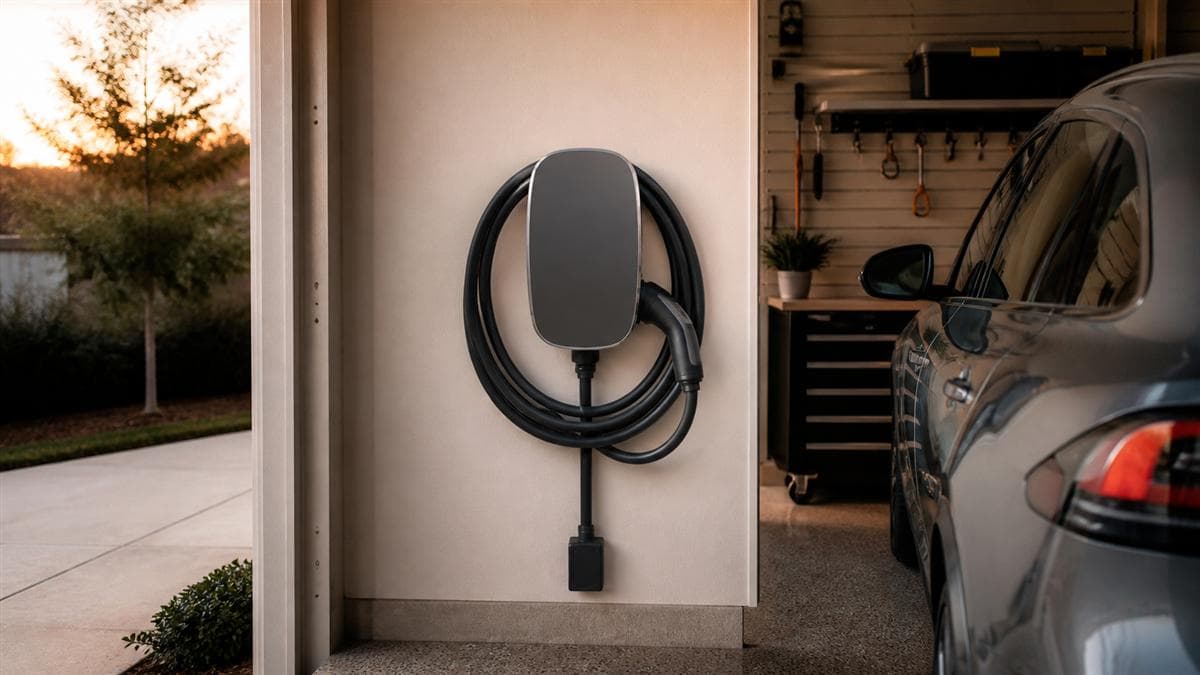
Published: August 11, 2026
Juice Technology AG EV Chargers Compared: Which Model Actually Fits Your Setup
Juice Technology AG makes several home and portable EV charging options. Here's how the general categories differ so you pick the right one, not the flashiest one.