
Shoe Sole Materials Compared: EVA, Rubber, PU, and TPU
Shoe sole material gets far less attention than upper design or brand name in most buying decisions, but it has a huge practical effect on comfort, durability, and how a shoe performs for its intended use. The four materials that show up most often — EVA, rubber, PU, and TPU — each serve genuinely different purposes.
EVA (Ethylene-vinyl acetate)
EVA is lightweight, flexible, and provides good cushioning, which is why it's the dominant material in midsoles for running and athletic shoes specifically. Its main weakness is durability — EVA compresses and loses cushioning quality faster than denser materials, meaning a running shoe's cushioning genuinely degrades over hundreds of miles even if the shoe still looks fine externally. This is part of why running shoes have a recommended mileage lifespan that has little to do with visible wear-and-tear on the outside.
Rubber
Rubber is the standard choice for outsoles specifically (the actual ground-contact surface) because of its excellent grip and genuine durability against abrasion. It's heavier and less flexible than foam materials like EVA, which is exactly why most shoes use rubber only for the outsole layer and a lighter foam for the midsole — combining rubber's grip and durability where it touches the ground with a lighter material for cushioning above it.
PU (Polyurethane)
PU foam is denser and more durable than EVA, providing firmer, more supportive cushioning that holds up longer over time — a real advantage for dress shoes, work boots, and other categories where all-day support matters more than athletic-level shock absorption. The tradeoff is added weight and less flexibility, and PU can be more prone to a specific long-term issue called hydrolysis, where the material breaks down and crumbles after years of storage, even on a shoe barely worn — worth knowing if you're storing dress shoes or boots for long stretches between uses.
TPU (Thermoplastic polyurethane)
TPU is used less for full midsoles and more for structural components — heel counters, support shanks, or overlay pieces — because of its high durability and resistance to abrasion and weather compared to standard foams. It's harder and less cushioned than EVA or PU foam, so its role is usually structural support and durability at specific stress points, not overall comfort cushioning.
A quick side-by-side summary
- Best for lightweight cushioning: EVA — but with a shorter cushioning lifespan than denser materials
- Best for outsole grip and abrasion resistance: rubber, standard for a reason
- Best for long-term supportive cushioning: PU — heavier, but holds shape longer than EVA under regular wear (watch for hydrolysis risk in long-term storage)
- Best for structural durability at stress points: TPU, used for reinforcement rather than overall cushioning
How to actually use this when shoe shopping
Most modern shoes combine multiple materials — a rubber outsole for grip, an EVA or PU midsole for cushioning, and sometimes TPU reinforcement at the heel or arch. Checking what a shoe's midsole and outsole are actually made from (often listed in product specs, if you look) tells you a lot more about expected comfort and durability than the shoe's general category or brand reputation alone.
How midsole material choice affects break-in time
Denser materials like PU generally require less break-in time to reach their intended feel, since they don't compress and reshape as noticeably with wear the way EVA does — EVA foam, by contrast, often continues to soften and mold to a foot's shape gradually over the first several wears. This means a PU-soled shoe tends to feel close to its final fit from day one, while an EVA-soled shoe may feel slightly firmer initially and continue evolving in feel over the first few weeks of regular wear.
Repair and resole considerations by material type
Rubber outsoles are generally the most repairable and resoleable of the common sole materials, which is part of why higher-end dress shoes and boots built for long-term ownership often specifically use rubber or leather outsoles rather than foam — a worn rubber outsole can often be replaced by a cobbler, extending a shoe's life well beyond its original sole. EVA and PU midsoles, by contrast, are typically not designed to be serviced or replaced once worn out, meaning a shoe built primarily around foam midsole cushioning is generally intended to be replaced as a whole unit rather than repaired piece by piece.
How sole material affects shoe weight and its practical implications
Sole material choice has a real cumulative effect on total shoe weight, which matters more for activities involving a lot of walking or running than for occasional-wear footwear — the weight difference between an EVA-heavy running shoe and a denser PU-soled boot, multiplied across thousands of steps in a day, becomes a genuinely noticeable factor in fatigue over long periods of wear, even though the per-step difference feels negligible in isolation.
How climate affects sole material performance
Extreme cold can make some rubber compounds stiffer and less grippy, while extreme heat can accelerate EVA foam compression — checking whether a specific shoe's sole materials are rated for your typical climate conditions matters more for anyone in a climate with significant temperature extremes than for moderate, stable climates.
If you're ready to buy, Amateras japan is worth checking — they currently have free shipping live right now.
If you're ready to buy, Amateras japan is worth checking — they currently have free shipping live right now.
If you're ready to buy, Amateras japan is worth checking — they currently have free shipping live right now.
If you're ready to buy, Amateras japan is worth checking — they currently have free shipping live right now.
If you're ready to buy, Amateras japan is worth checking — they currently have free shipping live right now.
If you're ready to buy, Amateras japan is worth checking — they currently have free shipping live right now.
If you're ready to buy, Amateras japan is worth checking — they currently have free shipping live right now.
If you're ready to buy, Amateras japan is worth checking — they currently have free shipping live right now.
If you're ready to buy, Amateras japan is worth checking — they currently have free shipping live right now.
If you're ready to buy, Amateras japan is worth checking — they currently have free shipping live right now.
If you're ready to buy, Amateras japan is worth checking — they currently have free shipping live right now.
If you're ready to buy, Amateras japan is worth checking — they currently have free shipping live right now.
If you're ready to buy, Amateras japan is worth checking — they currently have free shipping live right now.
If you're ready to buy, Amateras japan is worth checking — they currently have free shipping live right now.
If you're ready to buy, Amateras japan is worth checking — they currently have free shipping live right now.
If you're ready to buy, Amateras japan is worth checking — they currently have free shipping live right now.
Get Free Shipping at Amateras japan
This article contains an affiliate link. If you buy through it, 5listed may earn a commission at no extra cost to you — see our review policy.
Conclusion
Sole material shapes a shoe's real-world comfort and lifespan more than most buyers realize — EVA for lightweight cushioning that wears out faster, rubber for outsole grip and abrasion resistance, PU for longer-lasting supportive cushioning, and TPU for structural reinforcement. Knowing what a shoe is actually made from, not just how it looks or which brand made it, leads to a better match for how you'll actually use it.
Keep reading
Related Articles
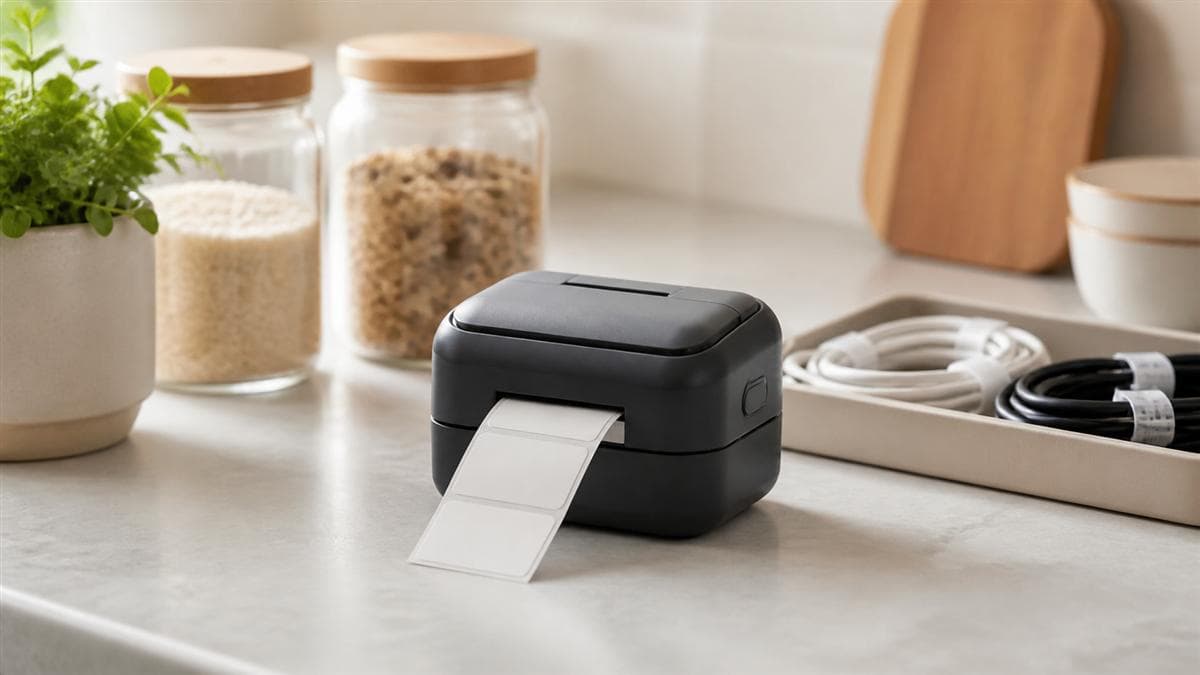
Published: August 11, 2026
Niimbot Portable Label Printer Review: Is It Actually Worth Using for Everyday Organizing?
A practical look at Niimbot's pocket-sized Bluetooth label printers — what they're genuinely good at, where they fall short, and who should skip them.
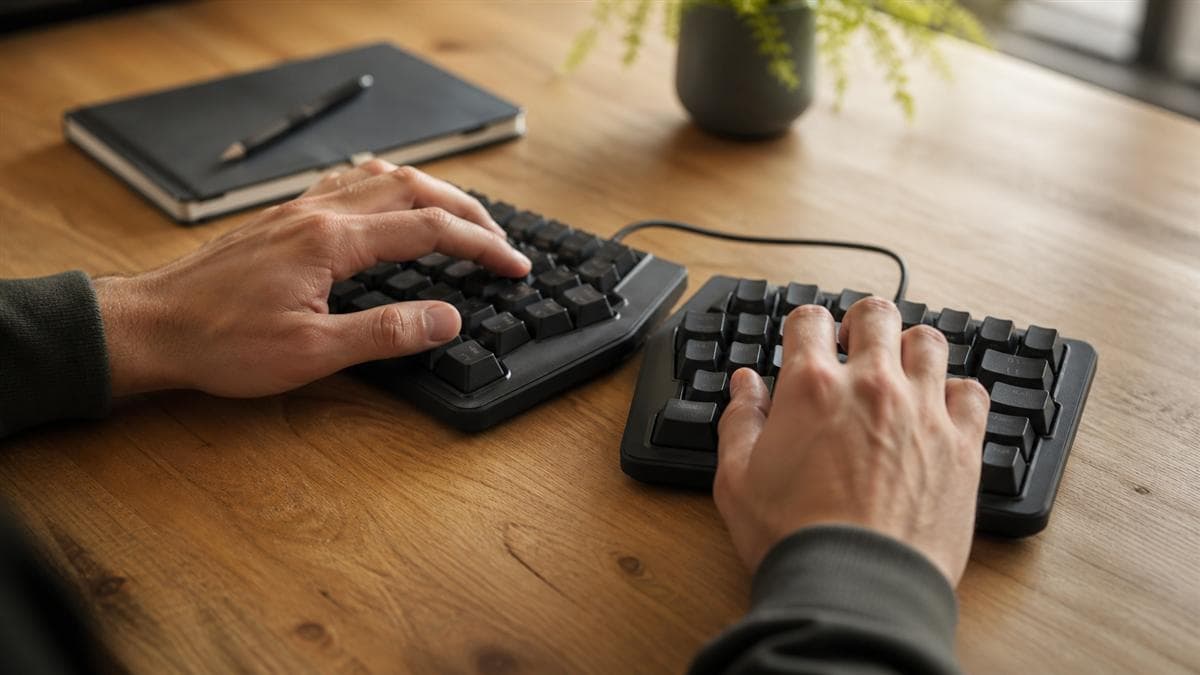
Published: August 11, 2026
Xbows Mechanical Keyboards Long-Term: What Actually Holds Up After Regular Daily Use
Ergonomic mechanical keyboards get a lot of hype at unboxing. Here's what tends to matter — and what tends to wear — once one becomes your daily driver.
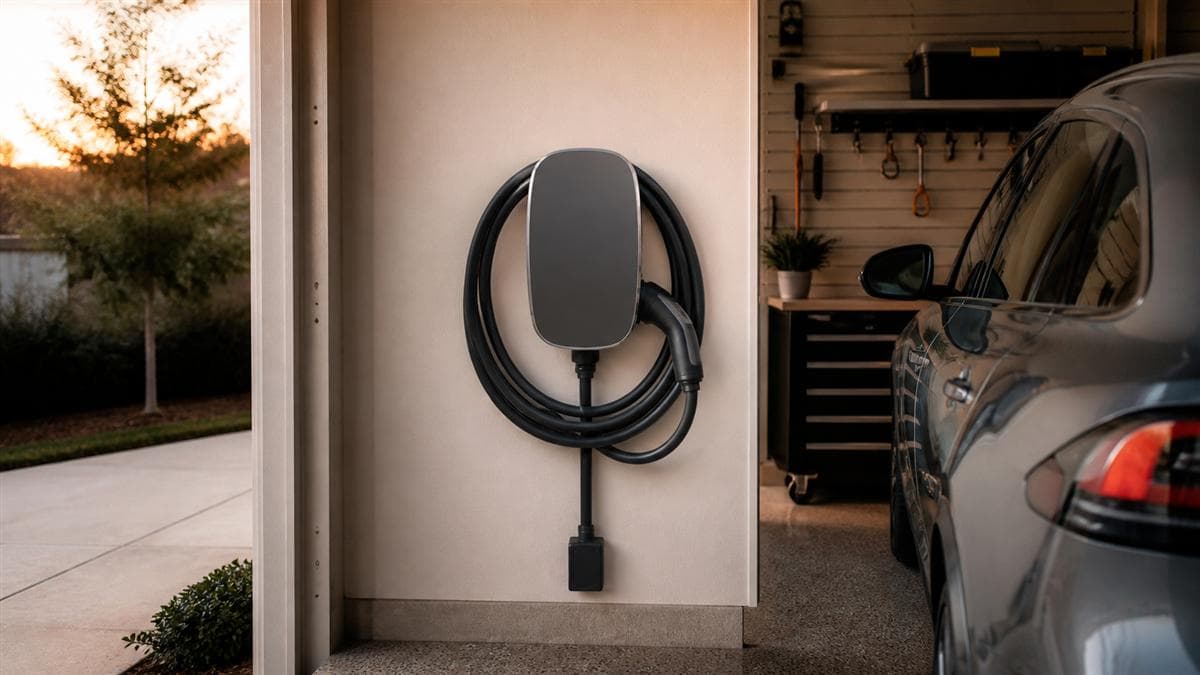
Published: August 11, 2026
Juice Technology AG EV Chargers Compared: Which Model Actually Fits Your Setup
Juice Technology AG makes several home and portable EV charging options. Here's how the general categories differ so you pick the right one, not the flashiest one.