
5 Factors That Actually Determine a Good Everyday Carry Knife
Everyday carry knife discussions online often fixate heavily on blade steel composition, which matters, but isn't necessarily the factor with the biggest impact on how satisfying a knife actually is to carry and use daily. Here are the five factors ranked by real-world impact for typical daily carry use, not competitive cutting performance or collector value.
1. Pocket clip and carry comfort
This ranks first because it affects every single day of ownership, regardless of how good the blade itself is — a knife that's uncomfortable to carry, digs into a pocket wrong, or has a clip that catches on fabric gets left at home more than it gets carried. A knife's actual cutting performance is irrelevant if the carry experience is bad enough that it stays in a drawer. Clip position, tension, and overall knife thickness/weight relative to your typical pocket contents all factor into this.
2. Opening mechanism reliability and ease
A knife that's difficult to open one-handed, or that develops stiffness or unreliability over time, becomes a genuine daily frustration — especially for a tool meant to be quick and convenient for everyday tasks. Smooth, reliable one-handed opening (whether via thumb stud, flipper, or another mechanism) matters more day to day than most people expect until they've used a knife with a genuinely well-tuned action versus a stiff or inconsistent one.
3. Blade shape and edge geometry for actual tasks
Most everyday carry use involves mundane tasks — opening packages, cutting cord or tape, occasional food prep — rather than the kind of demanding use blade steel debates often center around. A drop-point or similar general-purpose blade shape handles this range of daily tasks better than a highly specialized shape optimized for one specific use case. Matching blade shape to your actual daily tasks matters more for real satisfaction than chasing a marginal edge-retention improvement from a pricier steel.
4. Blade steel
Steel composition affects edge retention, corrosion resistance, and ease of sharpening — genuinely relevant factors, but for typical light daily use, a wide range of mid-tier steels perform perfectly well and the practical difference between a "good" and "great" steel is smaller than online discussions sometimes suggest. This matters more for heavy daily use or specific environmental conditions (high humidity, saltwater exposure) than for typical light everyday tasks.
5. Overall build quality and lock security
A knife with noticeable blade play (wiggle in the open position) or a locking mechanism that doesn't feel fully secure is both a real safety concern and a persistent, low-level source of dissatisfaction with an otherwise decent knife. This ranks last mainly because most knives at a reasonable price point from a legitimate maker get this right — it's more of a red flag to screen out (avoid anything with noticeable play) than a differentiator to optimize for at the top end.
A practical shopping approach based on this ranking
- Handle a knife in person if at all possible before buying — carry comfort and opening feel are hard to judge from specs alone
- Don't over-index on blade steel unless your use case genuinely demands it (heavy daily use, harsh environments)
- Check for any reported blade play or lock issues in reviews as a real red flag, not a minor nitpick
How local laws affect what "good" even means for your situation
Knife laws vary significantly by location — blade length limits, opening mechanism restrictions (some areas restrict assisted-opening or automatic knives specifically), and carry restrictions in certain public spaces all vary by jurisdiction. Checking local regulations before choosing a specific knife matters more than any of the five factors discussed above, since even an objectively excellent knife is the wrong choice if it's not legal to carry in your specific location — a detail easy to overlook amid discussions of blade steel and ergonomics.
Maintenance habits that keep a good knife good
Even a well-built knife benefits from basic regular maintenance — occasional lubrication of the pivot point to keep opening action smooth, periodic cleaning to remove pocket lint and debris that accumulates over daily carry, and reasonably prompt sharpening once an edge starts to feel dull rather than waiting until it's genuinely difficult to cut with. These simple habits meaningfully extend how long a knife performs the way it did when new, regardless of how it ranks on the five factors discussed above.
How often to sharpen for genuinely light everyday use
For typical light EDC tasks rather than heavy or frequent cutting work, sharpening frequency is lower than people often expect — checking edge sharpness periodically rather than sharpening on a fixed aggressive schedule avoids unnecessarily removing material from the blade through over-frequent sharpening, which shortens a blade's overall lifespan faster than the actual use itself typically does for light daily tasks.
How glove compatibility matters for some carry situations
For anyone who regularly carries and operates a knife while wearing gloves (certain work or outdoor contexts), checking opening mechanism usability with gloved hands specifically is worth testing, since some mechanisms that work smoothly bare-handed become considerably harder to operate reliably with gloves on.
If you're ready to buy, Oknife is worth checking — they currently have 10% off live right now.
If you're ready to buy, Oknife is worth checking — they currently have 10% off live right now.
If you're ready to buy, Oknife is worth checking — they currently have 10% off live right now.
If you're ready to buy, Oknife is worth checking — they currently have 10% off live right now.
If you're ready to buy, Oknife is worth checking — they currently have 10% off live right now.
If you're ready to buy, Oknife is worth checking — they currently have 10% off live right now.
If you're ready to buy, Oknife is worth checking — they currently have 10% off live right now.
If you're ready to buy, Oknife is worth checking — they currently have 10% off live right now.
If you're ready to buy, Oknife is worth checking — they currently have 10% off live right now.
If you're ready to buy, Oknife is worth checking — they currently have 10% off live right now.
If you're ready to buy, Oknife is worth checking — they currently have 10% off live right now.
If you're ready to buy, Oknife is worth checking — they currently have 10% off live right now.
If you're ready to buy, Oknife is worth checking — they currently have 10% off live right now.
If you're ready to buy, Oknife is worth checking — they currently have 10% off live right now.
If you're ready to buy, Oknife is worth checking — they currently have 10% off live right now.
If you're ready to buy, Oknife is worth checking — they currently have 10% off live right now.
Get 10% OFF at Oknife
This article contains an affiliate link. If you buy through it, 5listed may earn a commission at no extra cost to you — see our review policy.
Conclusion
For genuine everyday carry rather than collecting or heavy-duty use, carry comfort and opening reliability matter more day to day than blade steel composition, even though steel dominates a lot of online discussion. A knife that's comfortable to actually carry and pleasant to open gets used; one optimized purely on spec sheet numbers but uncomfortable in the pocket ends up staying home.
Keep reading
Related Articles
Published: August 11, 2026
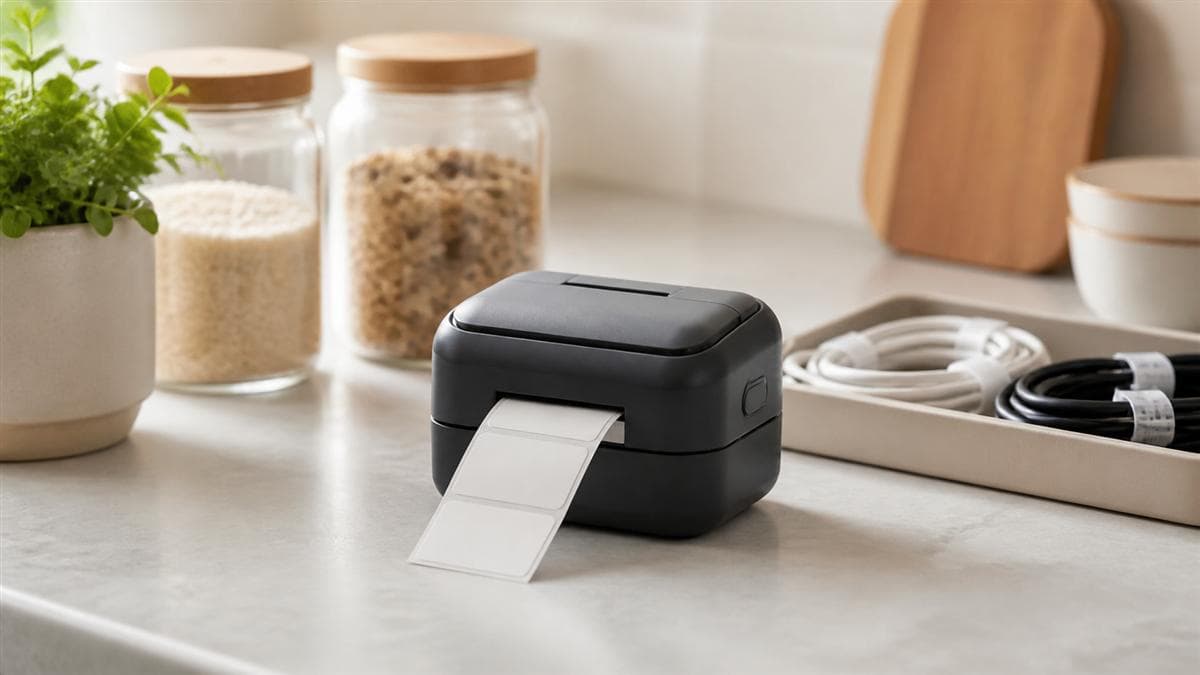
Niimbot Portable Label Printer Review: Is It Actually Worth Using for Everyday Organizing?
A practical look at Niimbot's pocket-sized Bluetooth label printers — what they're genuinely good at, where they fall short, and who should skip them.

Published: August 11, 2026
Xbows Mechanical Keyboards Long-Term: What Actually Holds Up After Regular Daily Use
Ergonomic mechanical keyboards get a lot of hype at unboxing. Here's what tends to matter — and what tends to wear — once one becomes your daily driver.
Published: August 11, 2026
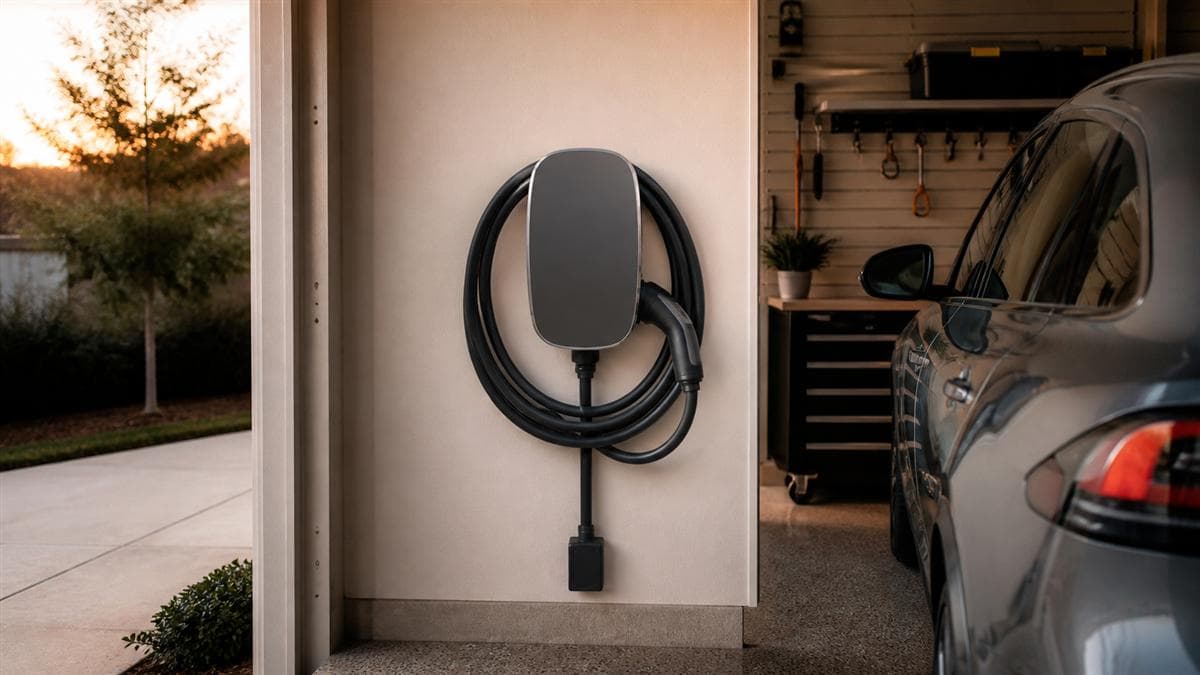
Juice Technology AG EV Chargers Compared: Which Model Actually Fits Your Setup
Juice Technology AG makes several home and portable EV charging options. Here's how the general categories differ so you pick the right one, not the flashiest one.