
Hearing Protection Earplugs: Frequently Asked Questions, Answered
Hearing protection earplugs, especially the kind designed for concerts and loud events rather than simple foam earplugs, come with a genuine learning curve and a handful of questions that come up repeatedly. Here are straightforward answers to the ones that matter most.
Do I still hear music clearly with earplugs in?
Purpose-built hearing protection for music and events (as opposed to basic foam earplugs meant to block as much sound as possible) is specifically designed to reduce volume while preserving sound clarity and frequency balance. The experience is genuinely different from cheap foam earplugs, which tend to muffle sound unevenly. That said, there is still some difference from unprotected hearing, and it takes a session or two to adjust to what protected listening sounds and feels like.
What does the noise reduction rating (NRR or dB) actually mean?
This number indicates how many decibels the earplug reduces incoming sound by, under standard testing conditions. Real-world reduction is often somewhat lower than the lab-tested rating, since fit quality significantly affects actual performance — a rating is a ceiling under ideal conditions, not a guarantee under casual, imperfect insertion. This is part of why proper fit matters as much as the stated rating itself.
How do I get a proper fit?
Most quality hearing protection earplugs come with multiple tip sizes specifically because ear canal size varies significantly between individuals — trying a couple of sizes to find the one that seats snugly without needing to be forced is worth the extra few minutes before assuming a single default size works for everyone. A properly fitted earplug should feel secure and create a genuine seal; if you're still hearing a lot of high-frequency sound leak in around the edges, the fit likely isn't quite right yet.
Can I reuse the same pair, and how do I keep them clean?
Most reusable hearing protection earplugs are designed for repeated use over an extended period, unlike disposable foam earplugs meant for single or limited use. Regular cleaning with mild soap and water (checking the specific product's cleaning instructions, since materials vary) between uses keeps them hygienic, and a proper carrying case protects them from damage and debris between events.
How do I know when to replace them?
- Visible cracking, tearing, or degradation in the material itself
- A fit that no longer feels secure even after trying different included tip sizes
- Any filter component (on filtered earplugs designed to preserve sound quality) that appears damaged or is producing noticeably different sound than when new
- General wear that makes cleaning less effective, such as a surface that's become difficult to fully clean
Are they worth it compared to cheap foam earplugs?
For occasional, infrequent loud-event attendance, basic foam earplugs are a reasonable low-cost option. For anyone attending loud events regularly — frequent concertgoers, musicians, people working in consistently loud environments — purpose-built reusable hearing protection tends to be worth the higher upfront cost both for comfort over repeated use and for the better sound-quality preservation, which makes people more likely to actually wear them consistently rather than skip protection because cheap foam plugs feel unpleasant or muffle sound too much to bother with.
Do kids need a different product than adults?
Ear canal size differs enough between children and adults that a product designed and sized for adult ears may not fit a child properly, even with the smallest included adult tip. Checking for products specifically designed or sized for children, rather than assuming a smaller adult size works, matters for both comfort and actual protective effectiveness.
Do musicians need a different type than concertgoers?
Musicians performing on stage often have somewhat different needs than audience members — custom-molded earplugs, fitted specifically to an individual's ear shape by a professional, are common among working musicians for the most consistent, comfortable, and effective fit during repeated, extended use. For occasional concertgoers, a quality reusable earplug with multiple tip sizes generally covers the need well without the added cost and process of custom molding, though frequent concertgoers or musicians may find the investment in custom-molded options worthwhile given how much more regularly they're used.
How to travel with and store hearing protection properly
A dedicated, sturdy carrying case — ideally one that can clip onto a keychain or bag for events where you might not think to bring it otherwise — solves both the "forgetting to bring them" problem and the "losing or damaging them in a bag" problem simultaneously. Keeping a spare pair in a bag or car specifically for spontaneous loud-event situations is a reasonable habit for anyone who attends live events somewhat unpredictably rather than always with advance planning.
Do hearing protection earplugs work for other loud environments beyond concerts?
The same purpose-built hearing protection discussed throughout this piece works well beyond concerts specifically — loud sporting events, motorsports, power tool use, and other consistently loud environments all benefit from the same fit-and-clarity principles covered above. The core guidance here — proper fit, understanding the real-world noise reduction rating, regular cleaning — applies just as much to these other loud environments as it does to concert and music use specifically.
If you're ready to buy, Earpeace is worth checking — they currently have 10% off live right now.
If you're ready to buy, Earpeace is worth checking — they currently have 10% off live right now.
If you're ready to buy, Earpeace is worth checking — they currently have 10% off live right now.
If you're ready to buy, Earpeace is worth checking — they currently have 10% off live right now.
If you're ready to buy, Earpeace is worth checking — they currently have 10% off live right now.
If you're ready to buy, Earpeace is worth checking — they currently have 10% off live right now.
If you're ready to buy, Earpeace is worth checking — they currently have 10% off live right now.
If you're ready to buy, Earpeace is worth checking — they currently have 10% off live right now.
If you're ready to buy, Earpeace is worth checking — they currently have 10% off live right now.
If you're ready to buy, Earpeace is worth checking — they currently have 10% off live right now.
If you're ready to buy, Earpeace is worth checking — they currently have 10% off live right now.
If you're ready to buy, Earpeace is worth checking — they currently have 10% off live right now.
If you're ready to buy, Earpeace is worth checking — they currently have 10% off live right now.
If you're ready to buy, Earpeace is worth checking — they currently have 10% off live right now.
If you're ready to buy, Earpeace is worth checking — they currently have 10% off live right now.
If you're ready to buy, Earpeace is worth checking — they currently have 10% off live right now.
Get 10% OFF at Earpeace
This article contains an affiliate link. If you buy through it, 5listed may earn a commission at no extra cost to you — see our review policy.
Conclusion
Purpose-built hearing protection earplugs, properly fitted and maintained, offer meaningfully better comfort and sound quality than basic foam alternatives for anyone attending loud events regularly. Getting a proper fit, understanding what the noise reduction rating actually represents in real-world use, and knowing when to replace a worn pair are the practical basics that make this kind of hearing protection actually work as intended.
Keep reading
Related Articles
Published: August 11, 2026
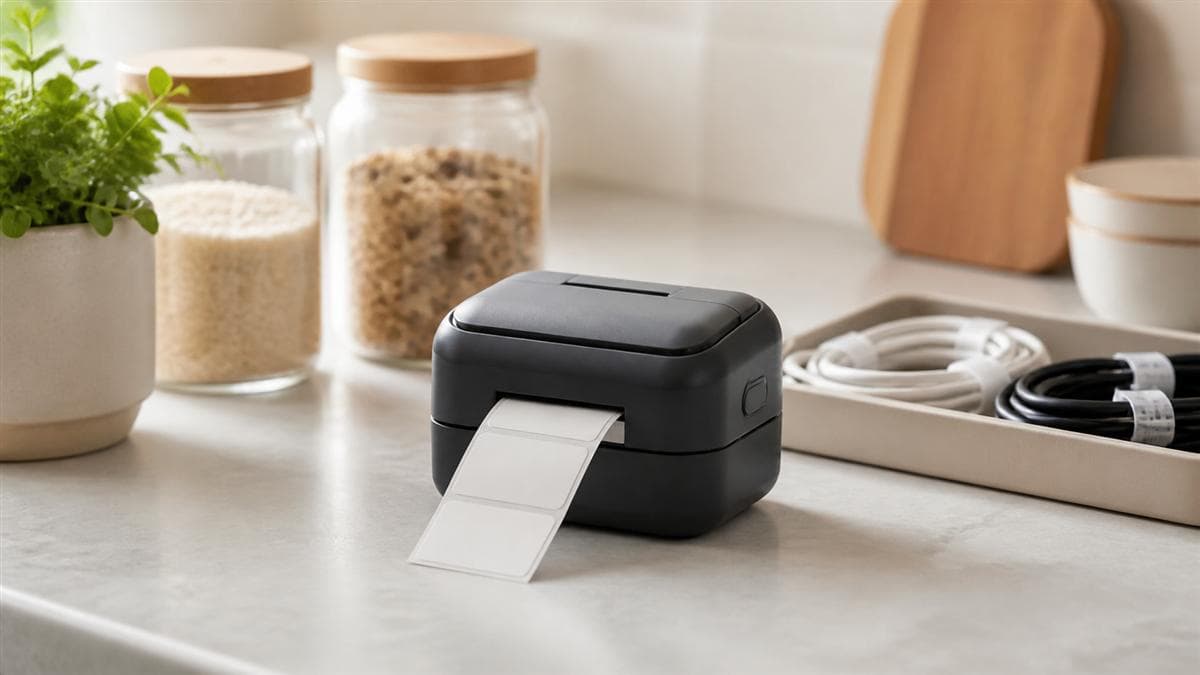
Niimbot Portable Label Printer Review: Is It Actually Worth Using for Everyday Organizing?
A practical look at Niimbot's pocket-sized Bluetooth label printers — what they're genuinely good at, where they fall short, and who should skip them.
Published: August 11, 2026
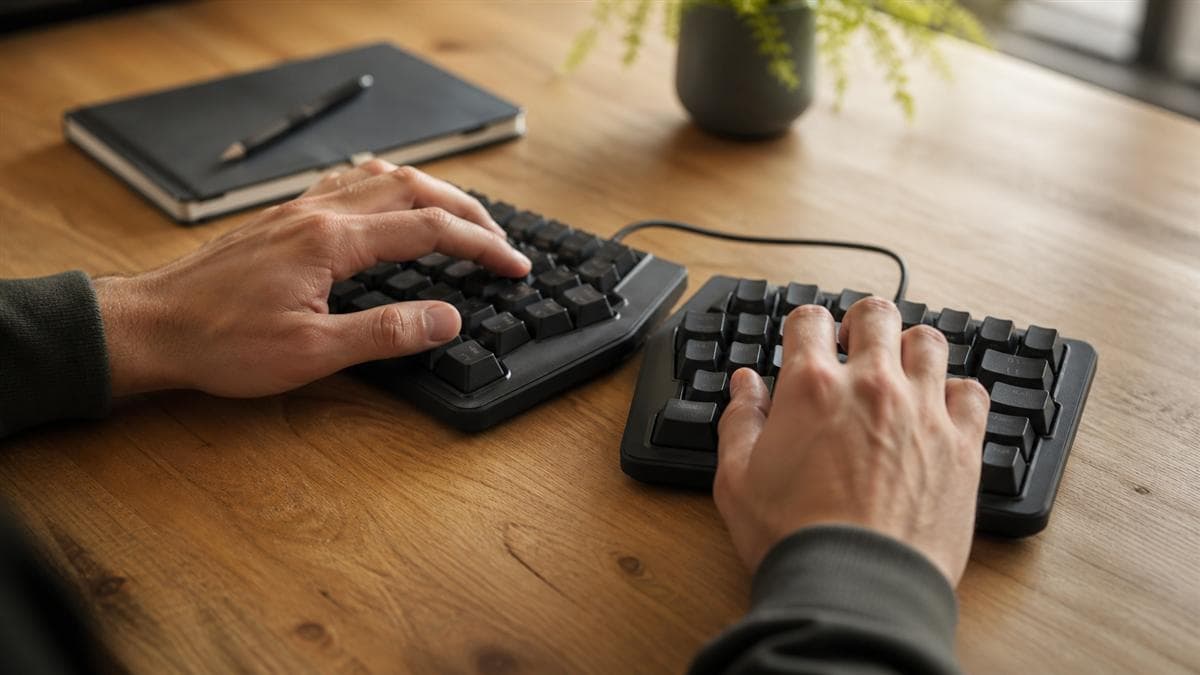
Xbows Mechanical Keyboards Long-Term: What Actually Holds Up After Regular Daily Use
Ergonomic mechanical keyboards get a lot of hype at unboxing. Here's what tends to matter — and what tends to wear — once one becomes your daily driver.
Published: August 11, 2026
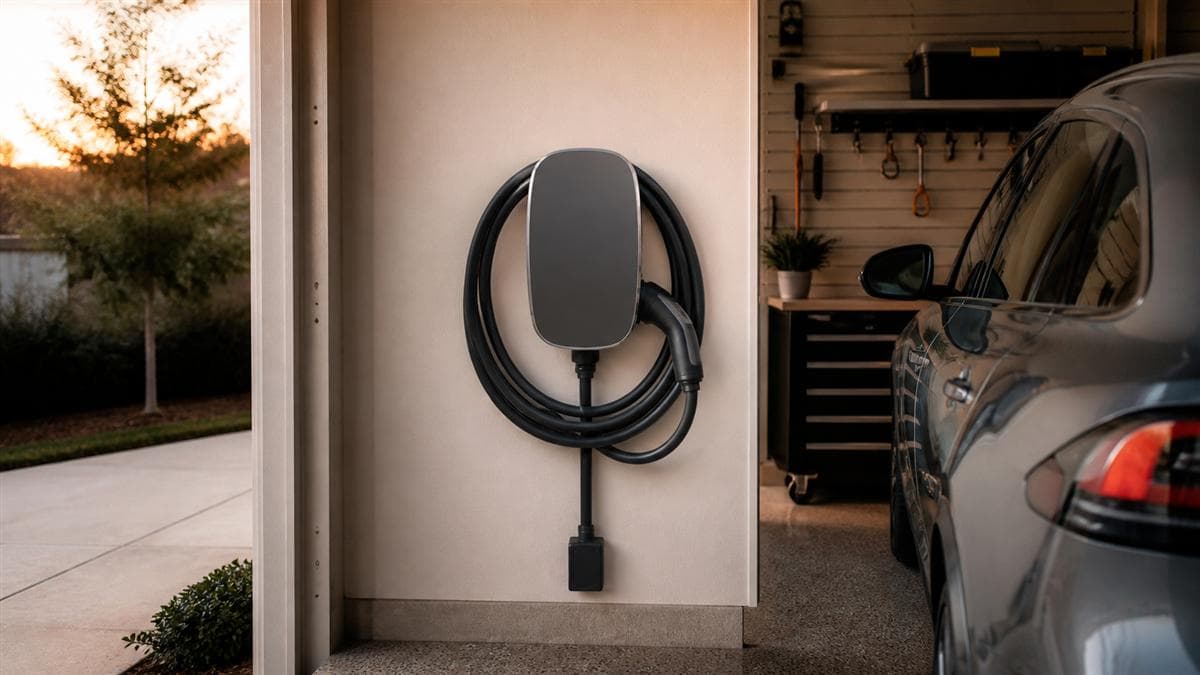
Juice Technology AG EV Chargers Compared: Which Model Actually Fits Your Setup
Juice Technology AG makes several home and portable EV charging options. Here's how the general categories differ so you pick the right one, not the flashiest one.