
A Realistic Timeline for Building Basic Personal Care Skills
Personal care skills — a real skincare routine, proper grooming techniques, understanding what actually works for your specific needs — take longer to build well than the quick before-and-after content online often suggests. A realistic timeline, built in stages rather than attempted all at once, leads to habits that actually stick rather than an ambitious routine abandoned after two weeks.
Weeks 1-2: master the absolute basics
Start with the fewest possible steps done consistently — a basic cleansing routine, understanding your own skin or hair type through simple observation, and just building the habit of a daily routine existing at all. This stage isn't about optimizing anything; it's about proving to yourself that a simple routine can actually become automatic before adding any complexity on top of it.
Weeks 3-6: add one refinement at a time
Once the basic routine feels automatic, this is the stage to introduce one new element at a time — a specific product for a concern you've identified, a slightly more involved technique, or a schedule adjustment (switching products for day versus night, for instance). Adding one change at a time, and giving each a few weeks before judging its effect, makes it possible to actually tell what's working rather than changing everything simultaneously and losing track of cause and effect.
Months 2-3: learn to read your own results
By this point, enough consistent routine exists to start noticing genuine patterns — what specific products or habits correlate with good results, and what doesn't seem to make a difference for you personally despite being popular advice generally. This is the stage where personal care stops being generic advice followed blindly and starts becoming a routine actually tailored to your specific needs, based on real observed results rather than guesswork.
Months 3-6: build resilience for disruptions
Travel, stress, seasonal changes, and busy periods all test whether a routine is genuinely sustainable or was only working because life happened to be stable and low-stress. This stage is about building simplified backup versions of your routine for disrupted periods — a shorter version that still covers the essentials when a full routine isn't realistic — rather than abandoning the habit entirely whenever life gets busy.
What to expect at each stage, realistically
- Weeks 1-2: the routine still feels like a conscious effort, easy to forget without a reminder or trigger habit
- Weeks 3-6: the basic steps start feeling automatic, freeing up mental effort to notice what's actually working
- Months 2-3: genuine personal insight starts forming — you know your own patterns better than generic advice could tell you
- Months 3-6: the routine survives real-life disruption, which is the actual marker of a sustainable long-term habit rather than a short-term experiment
Common mistakes that reset this timeline
Jumping straight to an elaborate routine in week one, changing multiple products simultaneously and losing track of what's actually helping, and abandoning the whole routine after one disrupted week (travel, illness, a busy stretch) are the most common reasons people restart from scratch instead of building steadily. Expecting the timeline above, and treating a disrupted week as a normal part of the process rather than a failure, keeps momentum going.
How to know if you're actually ready to move to the next stage
Rather than moving through these stages purely by calendar time, a more reliable signal is whether the current stage's habits genuinely feel automatic rather than effortful — if the basic routine from weeks 1-2 still requires active reminders or conscious willpower by week four, it's worth staying at that stage longer rather than adding complexity on top of a foundation that hasn't fully solidified yet. Progressing based on genuine habit strength, rather than a fixed timeline, produces more durable long-term results even if it means moving through the stages somewhat more slowly than the rough timeline suggests.
Revisiting and adjusting the routine as life circumstances change
A routine built during one life stage — a particular job schedule, living situation, or season of life — may need genuine adjustment rather than just resilience-testing when circumstances change significantly, such as a new job with a different schedule or a move to a different climate. Treating an established routine as something to periodically reassess and adapt, rather than a fixed system to defend unchanged indefinitely, keeps it genuinely sustainable through real life changes rather than becoming a rigid habit that eventually breaks down entirely under new circumstances.
How to handle conflicting advice encountered along the way
It's common to encounter genuinely conflicting advice while researching personal care routines, since individual results vary and what works well for one person doesn't always work for another. Trusting your own observed results over generic advice, once you've reached the stage of genuinely understanding your own patterns (typically the months 2-3 stage discussed above), is a more reliable guide than continuing to chase every new piece of advice encountered along the way.
Recognizing when outside expertise is worth seeking
Some personal care goals genuinely benefit from professional input — a dermatologist, a stylist — rather than purely self-directed trial and error, and recognizing when a specific concern has moved beyond what general self-guided routine-building can reasonably address is part of a mature, realistic approach to this whole learning process.
If you're ready to buy, Zatural is worth checking — they currently have 30% off live right now.
If you're ready to buy, Zatural is worth checking — they currently have 30% off live right now.
If you're ready to buy, Zatural is worth checking — they currently have 30% off live right now.
If you're ready to buy, Zatural is worth checking — they currently have 30% off live right now.
If you're ready to buy, Zatural is worth checking — they currently have 30% off live right now.
If you're ready to buy, Zatural is worth checking — they currently have 30% off live right now.
If you're ready to buy, Zatural is worth checking — they currently have 30% off live right now.
If you're ready to buy, Zatural is worth checking — they currently have 30% off live right now.
If you're ready to buy, Zatural is worth checking — they currently have 30% off live right now.
If you're ready to buy, Zatural is worth checking — they currently have 30% off live right now.
If you're ready to buy, Zatural is worth checking — they currently have 30% off live right now.
If you're ready to buy, Zatural is worth checking — they currently have 30% off live right now.
If you're ready to buy, Zatural is worth checking — they currently have 30% off live right now.
If you're ready to buy, Zatural is worth checking — they currently have 30% off live right now.
If you're ready to buy, Zatural is worth checking — they currently have 30% off live right now.
If you're ready to buy, Zatural is worth checking — they currently have 30% off live right now.
Get 30% OFF at Zatural
This article contains an affiliate link. If you buy through it, 5listed may earn a commission at no extra cost to you — see our review policy.
Conclusion
Real personal care skill-building happens over months, not a single weekend — starting with a simple, consistent basic routine, adding one refinement at a time, and eventually building resilience for real-life disruptions. This slower, staged approach produces habits that actually last, rather than an ambitious routine that looks great in week one and disappears by week three.
Keep reading
Related Articles
Published: August 11, 2026
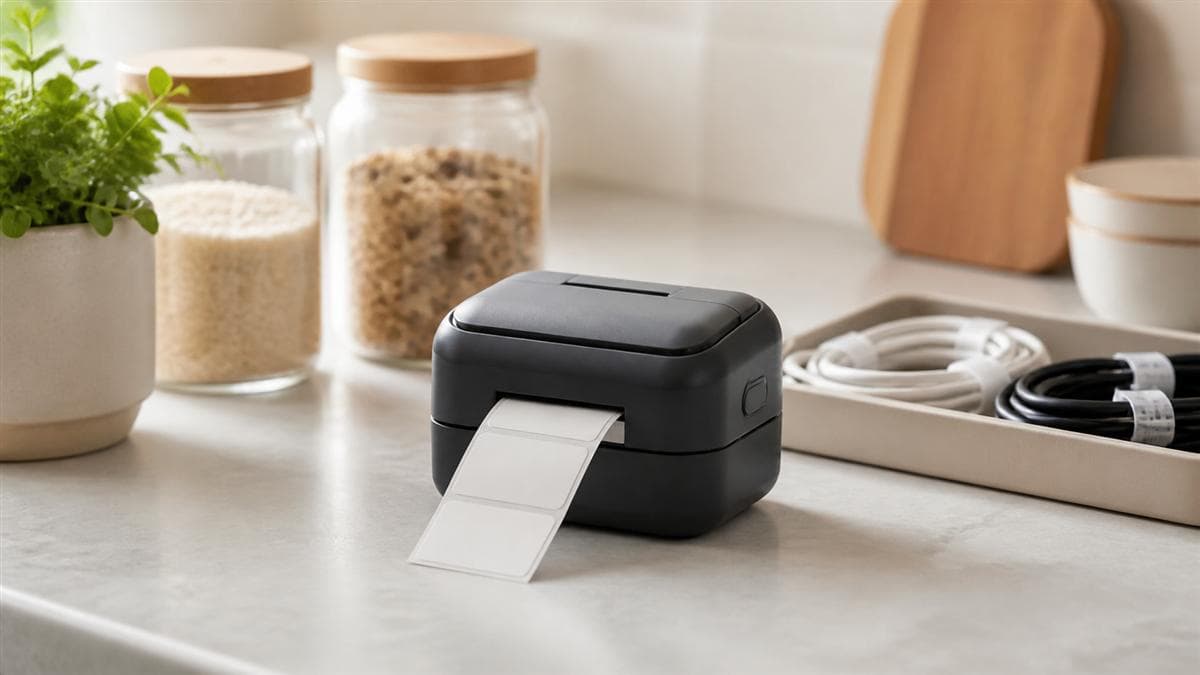
Niimbot Portable Label Printer Review: Is It Actually Worth Using for Everyday Organizing?
A practical look at Niimbot's pocket-sized Bluetooth label printers — what they're genuinely good at, where they fall short, and who should skip them.
Published: August 11, 2026
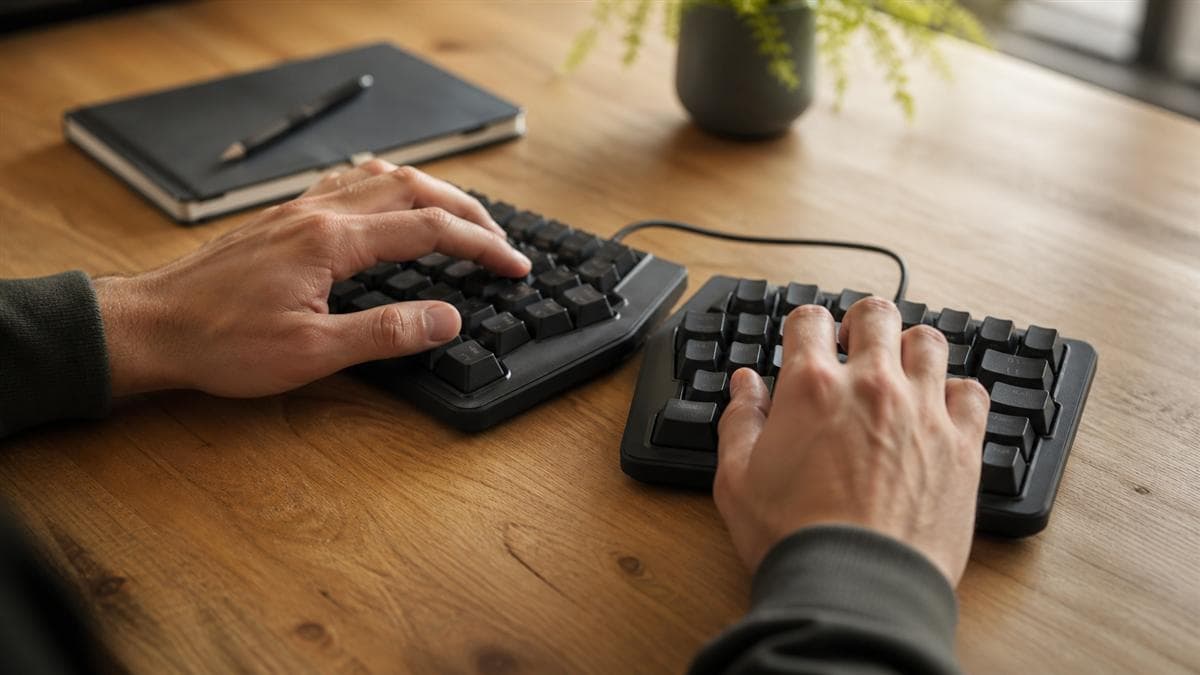
Xbows Mechanical Keyboards Long-Term: What Actually Holds Up After Regular Daily Use
Ergonomic mechanical keyboards get a lot of hype at unboxing. Here's what tends to matter — and what tends to wear — once one becomes your daily driver.
Published: August 11, 2026
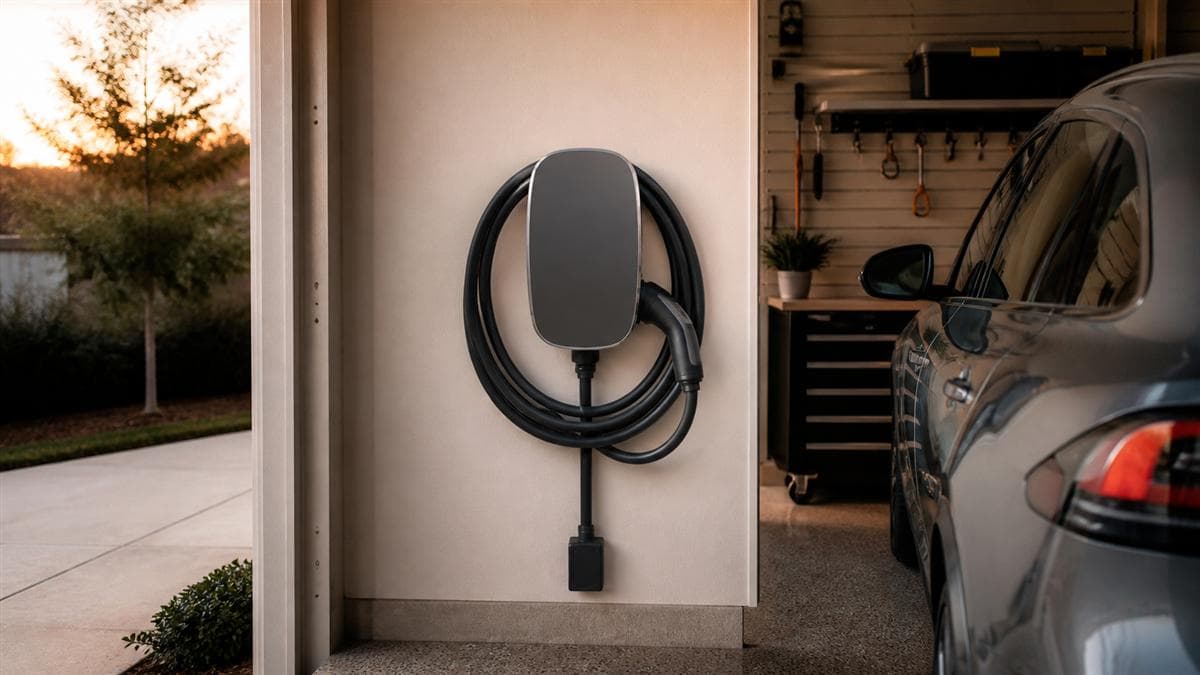
Juice Technology AG EV Chargers Compared: Which Model Actually Fits Your Setup
Juice Technology AG makes several home and portable EV charging options. Here's how the general categories differ so you pick the right one, not the flashiest one.