
A Framework for Telling Real Beauty Product Features From Marketing Language
Beauty product marketing is dense with language designed to sound impressive — "clinically proven," "dermatologist recommended," "next-generation formula" — some of which reflects genuine, verifiable claims, and some of which is largely persuasive language without much specific, checkable substance behind it. A simple framework for sorting these helps shop more effectively.
Real feature signal: specific, checkable claims
Claims that reference a specific, checkable detail — a named active ingredient at a stated concentration, a specific certification body, published study details you could actually look up — are generally more meaningful than vague language, because they can be verified rather than just taken on faith. A product listing that says "contains 2% salicylic acid" gives you something concrete to evaluate; "powerful exfoliating technology" doesn't.
Marketing language red flag: vague superiority claims
Phrases like "next-generation," "revolutionary," "unlike anything else," or "advanced formula" sound impressive but don't convey any specific, checkable information about what the product actually does differently. These aren't necessarily dishonest, but they're not useful for actually evaluating a product either — treating them as marketing flavor rather than substantive information keeps expectations grounded.
Real feature signal: third-party testing or certification
When a product references an actual third-party certification or independent testing body by name, that's a genuine claim you can look into further if you want to verify it — a real, external check on the product exists. This is meaningfully different from a brand's own internal, unverified claim about its product's performance or safety.
Marketing language red flag: borrowed authority without specifics
"Dermatologist recommended" or "clinically tested" without further detail (which dermatologists, what specific clinical test, what were the actual results) borrows the authority of those terms without giving you enough information to verify or meaningfully evaluate the claim. A genuinely strong claim in this category usually comes with more specific backing — a named study, a specific testing methodology, or a link to more detail — rather than the phrase standing alone.
Real feature signal: ingredient list transparency
Brands that disclose full, specific ingredient lists (rather than hiding components behind vague terms like "proprietary complex") give you the ability to actually evaluate what's in a product yourself, or research specific ingredients independently. This transparency is itself a meaningful signal, separate from whatever the marketing copy claims.
A practical framework to apply while shopping
- Does a specific claim reference something checkable (a named ingredient, concentration, certification, or study) or is it a vague superiority statement?
- Is there a full, specific ingredient list, or are components hidden behind vague catch-all terms?
- If a claim borrows authority ("dermatologist recommended," "clinically proven"), is there any further specific detail backing it up, or does the phrase stand alone with no elaboration?
- Would you make the same purchase decision if all the vague marketing language were stripped out, leaving only the specific, checkable claims?
This doesn't mean marketing language is dishonest
Vague, evocative marketing language isn't necessarily false — it's simply not verifiable or specific enough to be useful information on its own. The goal of this framework isn't to distrust every beauty brand, but to separate what you can actually evaluate from what's purely persuasive framing, so purchase decisions rest on the former rather than the latter.
Evaluating before-and-after photos critically
Before-and-after photos are a common persuasive device in beauty marketing, and while some are genuine, unedited representations of real results, lighting differences, makeup application, and photo editing can all create a more dramatic impression of a product's effect than what a typical user should realistically expect. Looking for photos with consistent lighting and angle between the before and after shots, and treating any professionally styled or heavily edited comparison with appropriate skepticism, helps set more realistic expectations than taking a dramatic before-and-after at face value.
Using independent reviews to cross-check brand claims
Independent reviews — from sources with no financial relationship to the brand — provide a useful cross-check against a brand's own marketing claims, though it's worth being aware that even independent-seeming reviews can sometimes involve undisclosed sponsorship or free products that may influence a review's tone. Seeking out reviews that specifically discuss long-term results, not just first-impression reactions, tends to provide more reliable information for evaluating whether a product's real-world performance matches its marketing claims.
How ingredient concentration claims can mislead without full context
A specific percentage claim for an active ingredient sounds like solid, verifiable information, but percentage alone doesn't tell the whole story — the same percentage of an ingredient can perform quite differently depending on the overall formulation, pH, and delivery method surrounding it. A genuinely informative product listing explains not just the percentage but some context about formulation approach, which is a more complete and useful signal than a bare percentage number treated as the whole story on its own.
How packaging claims differ from formula claims
Some marketing claims describe packaging technology (airless pumps preserving formula integrity, for instance) rather than the formula itself — genuinely useful information in its own right, but worth distinguishing clearly from claims about the actual active ingredients and their effects on skin.
A final practical habit: screenshotting claims before a sale ends
Saving a screenshot of specific claims and ingredient lists before a limited-time sale ends provides a useful reference for later verification or comparison, since product listings sometimes change after a promotional period in ways that are easy to miss otherwise.
If you're ready to buy, Mirabella beauty is worth checking — they currently have 10% off with code ASCZPA25FO live right now.
If you're ready to buy, Mirabella beauty is worth checking — they currently have 10% off with code ASCZPA25FO live right now.
If you're ready to buy, Mirabella beauty is worth checking — they currently have 10% off with code ASCZPA25FO live right now.
If you're ready to buy, Mirabella beauty is worth checking — they currently have 10% off with code ASCZPA25FO live right now.
If you're ready to buy, Mirabella beauty is worth checking — they currently have 10% off with code ASCZPA25FO live right now.
If you're ready to buy, Mirabella beauty is worth checking — they currently have 10% off with code ASCZPA25FO live right now.
If you're ready to buy, Mirabella beauty is worth checking — they currently have 10% off with code ASCZPA25FO live right now.
If you're ready to buy, Mirabella beauty is worth checking — they currently have 10% off with code ASCZPA25FO live right now.
If you're ready to buy, Mirabella beauty is worth checking — they currently have 10% off with code ASCZPA25FO live right now.
If you're ready to buy, Mirabella beauty is worth checking — they currently have 10% off with code ASCZPA25FO live right now.
If you're ready to buy, Mirabella beauty is worth checking — they currently have 10% off with code ASCZPA25FO live right now.
If you're ready to buy, Mirabella beauty is worth checking — they currently have 10% off with code ASCZPA25FO live right now.
If you're ready to buy, Mirabella beauty is worth checking — they currently have 10% off with code ASCZPA25FO live right now.
If you're ready to buy, Mirabella beauty is worth checking — they currently have 10% off with code ASCZPA25FO live right now.
If you're ready to buy, Mirabella beauty is worth checking — they currently have 10% off with code ASCZPA25FO live right now.
If you're ready to buy, Mirabella beauty is worth checking — they currently have 10% off with code ASCZPA25FO live right now.
Get 10% OFF at Mirabella beauty
Use code ASCZPA25FO at checkout
This article contains an affiliate link. If you buy through it, 5listed may earn a commission at no extra cost to you — see our review policy.
Conclusion
Beauty product marketing mixes genuinely checkable claims with vague, persuasive language, and learning to tell the difference — specific ingredients and certifications versus borrowed authority and superiority language — leads to purchase decisions based on real, evaluable information rather than how confidently a claim is worded.
Keep reading
Related Articles
Published: August 11, 2026
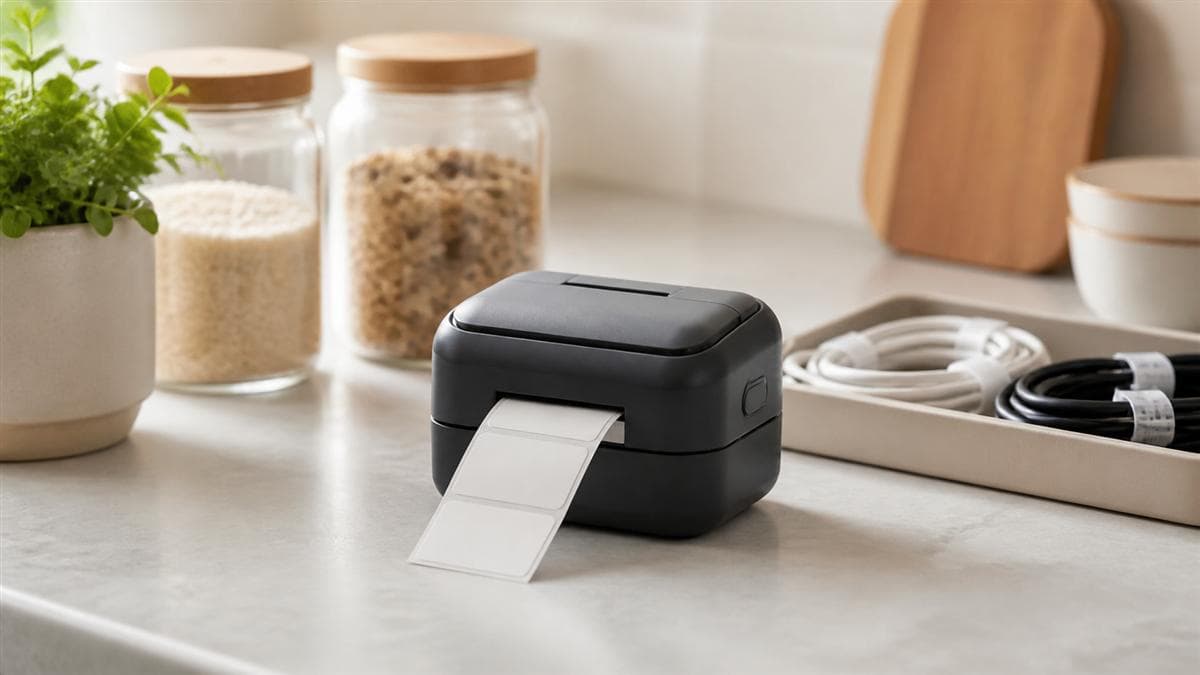
Niimbot Portable Label Printer Review: Is It Actually Worth Using for Everyday Organizing?
A practical look at Niimbot's pocket-sized Bluetooth label printers — what they're genuinely good at, where they fall short, and who should skip them.

Published: August 11, 2026
Xbows Mechanical Keyboards Long-Term: What Actually Holds Up After Regular Daily Use
Ergonomic mechanical keyboards get a lot of hype at unboxing. Here's what tends to matter — and what tends to wear — once one becomes your daily driver.
Published: August 11, 2026
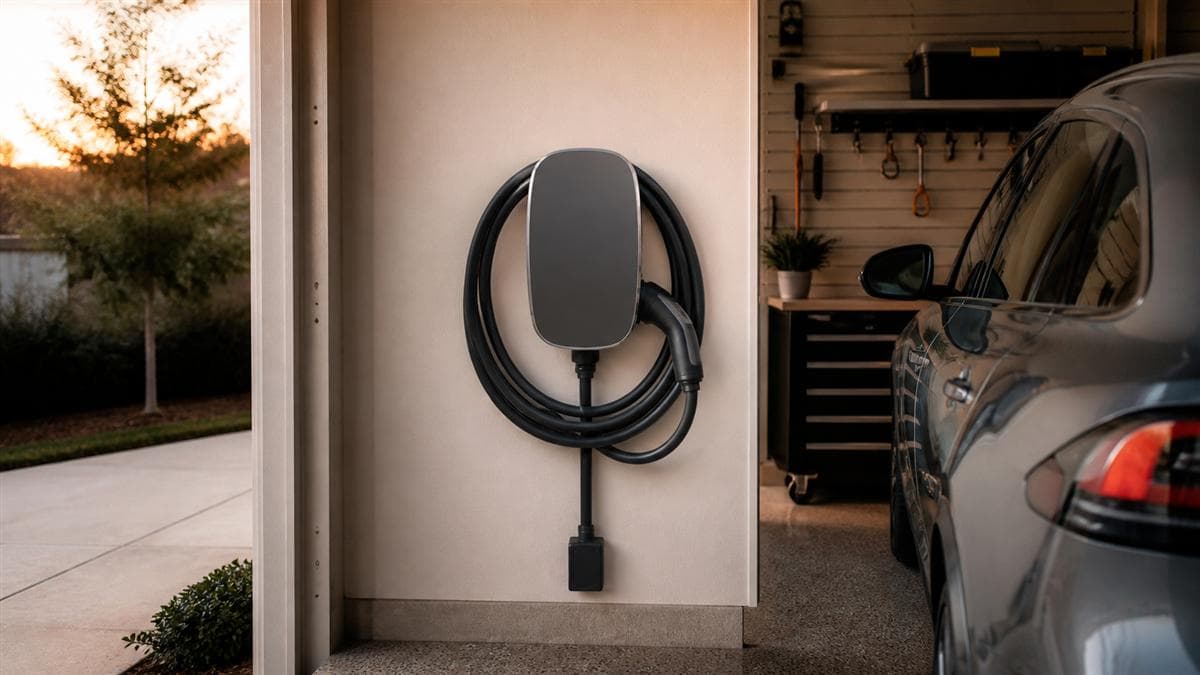
Juice Technology AG EV Chargers Compared: Which Model Actually Fits Your Setup
Juice Technology AG makes several home and portable EV charging options. Here's how the general categories differ so you pick the right one, not the flashiest one.