
Matching Recovery Tools to the Type of Soreness You Actually Have
Not all muscle soreness is the same, and treating every kind of post-activity discomfort with the same recovery approach tends to be less effective than matching the tool to the actual type of soreness. Understanding the difference helps make better recovery choices, whether that means a foam roller, targeted heat, or simply rest.
General post-workout soreness (DOMS): time, gentle movement, and heat
Delayed onset muscle soreness — the dull, widespread ache that shows up a day or two after a new or particularly intense workout — is a normal part of muscle adaptation and generally responds well to gentle movement (light activity, easy stretching) and heat application, which increases blood flow to the affected area. Aggressive deep-tissue tools during this specific window aren't necessarily the best match; gentler approaches tend to feel more appropriate and comfortable during acute DOMS than intense pressure.
Tight, knotted muscles: targeted pressure tools
A specific, localized tight spot or knot — as opposed to general widespread soreness — often responds better to targeted pressure, whether from a massage ball, a percussion device, or manual pressure applied directly to the specific tight area. This is a different situation from general DOMS and calls for a more targeted approach rather than a broad, general recovery routine.
Joint-adjacent soreness: caution and gentler approaches
Soreness that feels close to or around a joint, rather than in the belly of a muscle, deserves more caution — aggressive pressure or intense tools aren't the right first response here, since joint-adjacent discomfort can have different underlying causes than typical muscle soreness and responds differently to treatment. Gentler approaches, and paying attention to whether the discomfort persists or worsens rather than following the normal DOMS pattern of gradually improving over a few days, matters more in this category.
Full-body fatigue after extended activity: rest and hydration over tools
General full-body tiredness and diffuse soreness after a long endurance activity or an unusually active day often responds better to genuine rest, proper hydration, and adequate sleep than to any specific recovery tool or technique. It's tempting to reach for a device or gadget for every kind of post-activity discomfort, but sometimes the most effective recovery approach is simply the least exciting one: rest.
A practical matching guide
- Widespread, dull ache 24-48 hours post-workout (classic DOMS): gentle movement, heat, time — no need for aggressive intervention
- Specific tight spot or knot: targeted pressure tools aimed directly at that localized area
- Discomfort near a joint: gentler approach, and monitor whether it follows a normal improving pattern over the following days
- Diffuse full-body fatigue after extended activity: rest, hydration, and sleep over any specific tool or technique
When soreness is a sign to see a professional instead
Soreness that's sharp rather than dull, doesn't follow the typical pattern of gradually improving over several days, is accompanied by significant swelling, or involves a specific injury moment rather than general post-activity fatigue is a signal to consult a medical professional rather than trying any home recovery tool or technique. None of the approaches above are a substitute for proper evaluation when something feels genuinely different from ordinary post-workout soreness.
How intensity and duration of activity affect recovery needs
A short, moderate workout generally produces less severe soreness requiring less intensive recovery than a long, unusually intense session or one involving unfamiliar movements — matching recovery effort to actual activity intensity, rather than applying the same recovery routine regardless of how demanding a specific session actually was, avoids both under-recovering after a genuinely hard effort and over-treating routine, moderate soreness that would resolve fine with minimal intervention.
Building a simple recovery routine around your typical activity pattern
Rather than reactively choosing a recovery approach only once soreness is already present, establishing a light, consistent post-activity routine — a few minutes of gentle stretching or foam rolling after most sessions, reserved for your typical activity level — tends to reduce how severe soreness becomes in the first place compared to a purely reactive approach that only engages recovery tools once discomfort is already significant.
How sleep quality affects recovery regardless of tool choice
No recovery tool or technique fully compensates for inadequate sleep, which plays an outsized role in genuine physical recovery compared to any specific device or technique discussed above. Prioritizing sleep quality alongside whatever targeted recovery approach matches your specific soreness type gives a more complete picture of effective recovery than focusing purely on tools and techniques while treating sleep as a separate, unrelated factor.
Recognizing when soreness is actually improving versus stalling
Typical DOMS should show gradual, steady improvement day by day after the initial 24-48 hour peak — soreness that stays flat or worsens beyond the typical few-day window is worth paying closer attention to, regardless of which recovery approach has been used, since it may not be following the normal expected pattern.
Adjusting recovery expectations with age and training experience
Recovery timelines can shift somewhat with age and overall training experience, and being realistic about how your own recovery pattern compares to general guidelines, rather than expecting identical timelines to a much younger or more conditioned individual, sets more accurate expectations.
If you're ready to buy, Healflux is worth checking — they currently have 15% off with code HIENNGUYENTHUY10 live right now.
If you're ready to buy, Healflux is worth checking — they currently have 15% off with code HIENNGUYENTHUY10 live right now.
If you're ready to buy, Healflux is worth checking — they currently have 15% off with code HIENNGUYENTHUY10 live right now.
If you're ready to buy, Healflux is worth checking — they currently have 15% off with code HIENNGUYENTHUY10 live right now.
If you're ready to buy, Healflux is worth checking — they currently have 15% off with code HIENNGUYENTHUY10 live right now.
If you're ready to buy, Healflux is worth checking — they currently have 15% off with code HIENNGUYENTHUY10 live right now.
If you're ready to buy, Healflux is worth checking — they currently have 15% off with code HIENNGUYENTHUY10 live right now.
If you're ready to buy, Healflux is worth checking — they currently have 15% off with code HIENNGUYENTHUY10 live right now.
If you're ready to buy, Healflux is worth checking — they currently have 15% off with code HIENNGUYENTHUY10 live right now.
If you're ready to buy, Healflux is worth checking — they currently have 15% off with code HIENNGUYENTHUY10 live right now.
If you're ready to buy, Healflux is worth checking — they currently have 15% off with code HIENNGUYENTHUY10 live right now.
If you're ready to buy, Healflux is worth checking — they currently have 15% off with code HIENNGUYENTHUY10 live right now.
If you're ready to buy, Healflux is worth checking — they currently have 15% off with code HIENNGUYENTHUY10 live right now.
If you're ready to buy, Healflux is worth checking — they currently have 15% off with code HIENNGUYENTHUY10 live right now.
If you're ready to buy, Healflux is worth checking — they currently have 15% off with code HIENNGUYENTHUY10 live right now.
If you're ready to buy, Healflux is worth checking — they currently have 15% off with code HIENNGUYENTHUY10 live right now.
Get 15% OFF at Healflux
Use code HIENNGUYENTHUY10 at checkout
This article contains an affiliate link. If you buy through it, 5listed may earn a commission at no extra cost to you — see our review policy.
Conclusion
Effective recovery starts with correctly identifying what kind of soreness you're actually dealing with — widespread DOMS, a specific tight spot, joint-adjacent discomfort, or general fatigue each respond better to a different approach than a one-size-fits-all recovery routine. Matching the response to the actual situation, and knowing when something warrants professional attention instead, leads to better outcomes than defaulting to the same tool every time.
Keep reading
Related Articles
Published: August 11, 2026
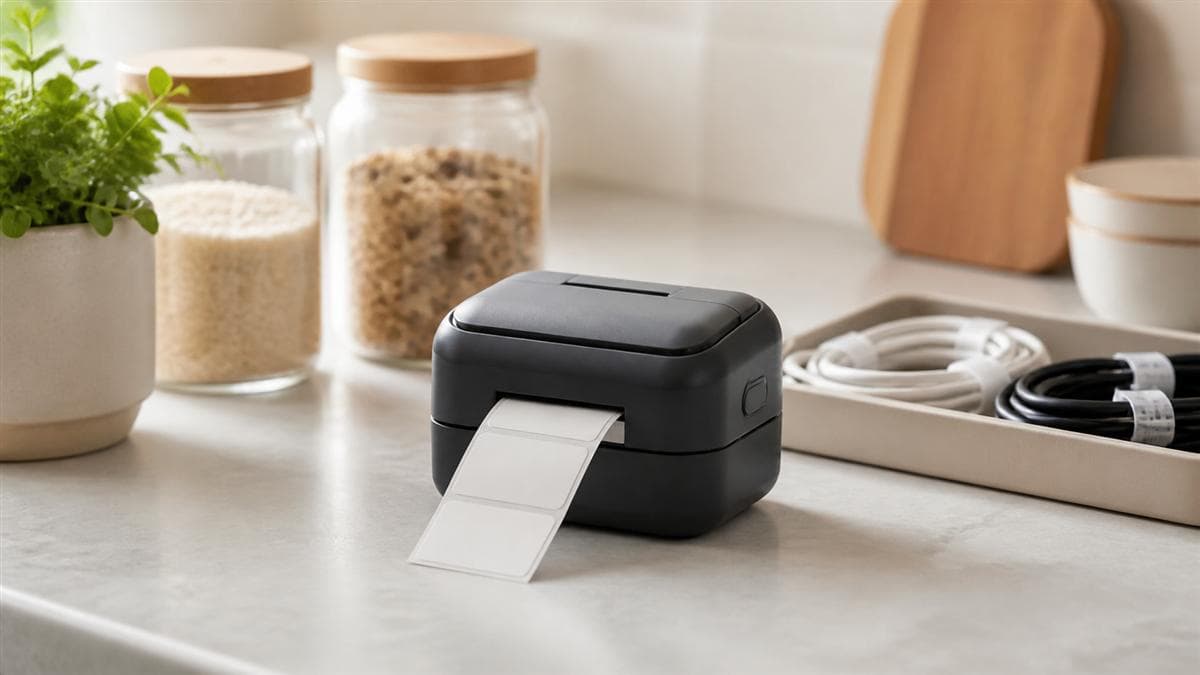
Niimbot Portable Label Printer Review: Is It Actually Worth Using for Everyday Organizing?
A practical look at Niimbot's pocket-sized Bluetooth label printers — what they're genuinely good at, where they fall short, and who should skip them.
Published: August 11, 2026
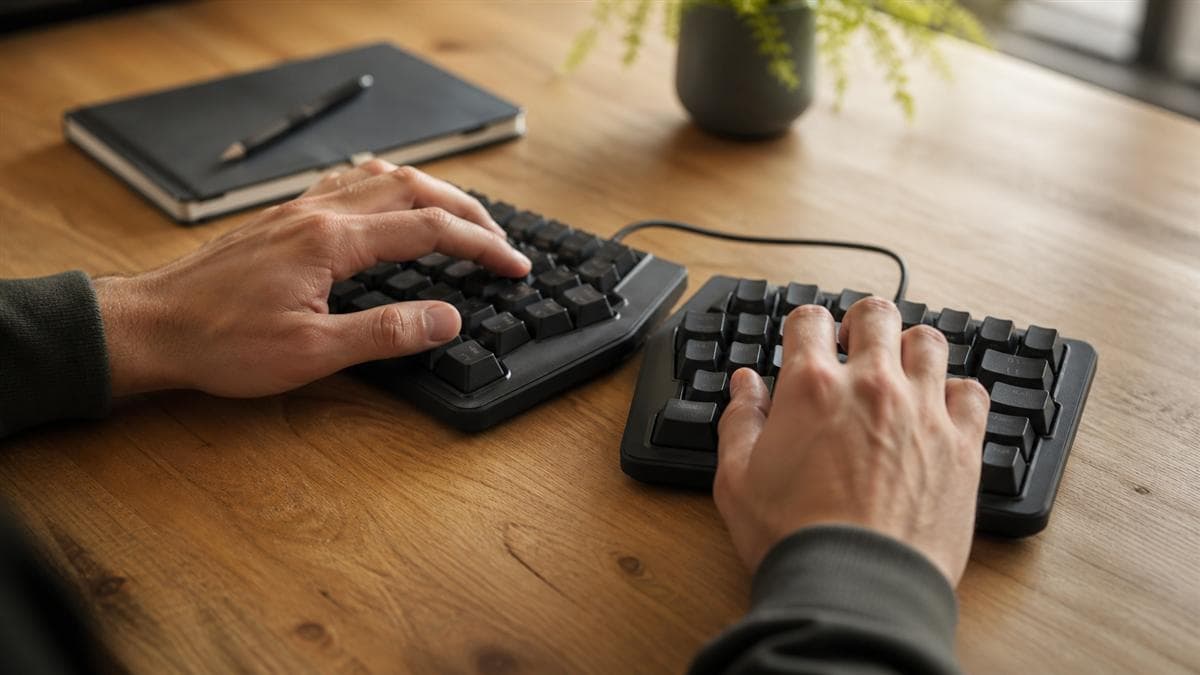
Xbows Mechanical Keyboards Long-Term: What Actually Holds Up After Regular Daily Use
Ergonomic mechanical keyboards get a lot of hype at unboxing. Here's what tends to matter — and what tends to wear — once one becomes your daily driver.

Published: August 11, 2026
Juice Technology AG EV Chargers Compared: Which Model Actually Fits Your Setup
Juice Technology AG makes several home and portable EV charging options. Here's how the general categories differ so you pick the right one, not the flashiest one.