
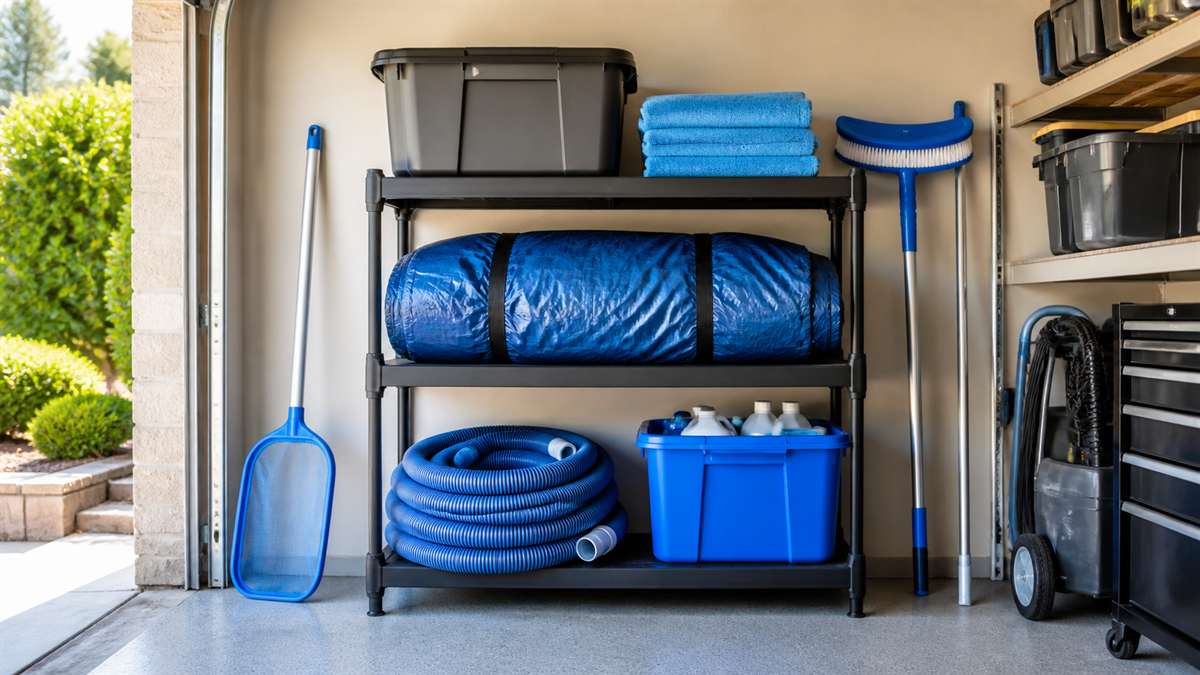
The most common reason pool equipment doesn't survive the off-season isn't age — it's improper storage. Gear left damp, folded the wrong way, or exposed to freezing temperatures tends to degrade fast, and by the time you pull it out again in spring, damage that could've been prevented has already happened. Getting storage right in fall is a lot cheaper than replacing gear in spring, and the process itself only takes an afternoon.
Clean everything before it goes into storage
Chlorine, algae residue, and general pool chemicals left on equipment over a long storage period can cause material degradation you won't notice until it's too late. A thorough rinse and clean before storing — for filters, hoses, covers, and toys alike — is the single highest-impact step in this whole process. It's worth being thorough here rather than a quick rinse; residue trapped in seams or folds is exactly what causes problems months later.
Dry completely before packing away
Moisture trapped in storage is what causes mold, mildew, and material breakdown over winter. Let everything air-dry fully, not just surface-dry, before folding or boxing it up. This matters even more for anything inflatable or made of vinyl/PVC, since trapped moisture between folded layers is a common failure point — a float that feels dry on the outside can still have moisture trapped between folded sections if it wasn't given enough time or wasn't unfolded partway through drying.
Store away from freezing temperatures where possible
Water left inside pumps, filters, or hoses can freeze and expand, cracking components that were otherwise fine. Draining any equipment that holds water, and storing in a space that doesn't hit hard freezing temperatures (a garage or shed rather than fully exposed outdoors), meaningfully reduces this risk. For pump and filter systems specifically, check the manufacturer's guidance on winterizing — some systems need water fully drained from internal lines, not just the visible reservoir.
Fold and store to avoid material stress
- Avoid tight, sharp folds on vinyl or PVC items — creases held in place over months can become permanent weak points or cracks
- Store heavier items on the bottom, lighter/inflatable items on top, to avoid crushing anything
- Keep gear out of direct sunlight during storage — UV exposure degrades plastics and vinyl even when not in active use
- Use a loose roll rather than a tight fold where the item's shape allows it — this distributes stress more evenly than sharp creases
Don't forget chemicals and testing supplies
Pool chemicals often get overlooked in a storage routine focused on physical gear. Check expiration dates before winter, store remaining chemicals in a cool, dry place away from temperature swings, and separate anything that shouldn't be stored near other chemicals. Test kits and testing strips specifically can degrade with temperature extremes, so a stable indoor storage spot is worth the extra step compared to leaving them in an unheated shed.
A quick end-of-season checklist
Clean → dry completely → drain anything holding water → store somewhere that avoids hard freezes and direct sun → avoid tight creasing on flexible materials → check chemical expiration dates. Running through this once at the end of the season takes far less time than dealing with mold, cracks, or replacement purchases in spring.
A note on pool covers specifically
Pool covers deserve their own attention separate from general "gear," since they're often the largest single item in a winterizing routine and see the most direct exposure to weather while in seasonal use. Cleaning debris off thoroughly before folding for storage, checking for any small tears or weak points that could worsen over a season in storage, and storing in a way that avoids sharp folds along the same lines repeatedly all extend a cover's usable life significantly. A cover with even small unaddressed damage tends to develop larger tears the following season, since a weak point under repeated folding stress rarely improves on its own.
Planning ahead for next season's setup
Beyond simply storing gear well, taking a few minutes at the end of the season to note anything that should be replaced or upgraded before next year — a float that's showing real wear, a pump component nearing the end of its expected lifespan — turns winterizing into useful planning time rather than just a storage chore. Doing this while everything is still fresh in mind at season's end is far more effective than trying to remember these details months later when it's time to open the pool again.
A note on above-ground versus in-ground pool differences
Above-ground pools generally involve a more complete seasonal teardown, including the pool structure itself in some cases, while in-ground pools typically focus winterizing effort more narrowly on equipment, chemicals, and the cover. Above-ground pool owners should budget noticeably more time for a full winterizing pass than in-ground owners, since there's simply more to address structurally, not just in terms of loose gear and equipment covered in the general checklist above.
Checking pool-type-specific winterizing guidance from a trusted source, in addition to the general gear-storage principles covered here, rounds out a complete seasonal prep process regardless of which pool type you own.
If you're ready to buy, Poolhacker is worth checking — they currently have 6% off live right now.
If you're ready to buy, Poolhacker is worth checking — they currently have 6% off live right now.
If you're ready to buy, Poolhacker is worth checking — they currently have 6% off live right now.
If you're ready to buy, Poolhacker is worth checking — they currently have 6% off live right now.
If you're ready to buy, Poolhacker is worth checking — they currently have 6% off live right now.
If you're ready to buy, Poolhacker is worth checking — they currently have 6% off live right now.
If you're ready to buy, Poolhacker is worth checking — they currently have 6% off live right now.
If you're ready to buy, Poolhacker is worth checking — they currently have 6% off live right now.
If you're ready to buy, Poolhacker is worth checking — they currently have 6% off live right now.
If you're ready to buy, Poolhacker is worth checking — they currently have 6% off live right now.
If you're ready to buy, Poolhacker is worth checking — they currently have 6% off live right now.
If you're ready to buy, Poolhacker is worth checking — they currently have 6% off live right now.
If you're ready to buy, Poolhacker is worth checking — they currently have 6% off live right now.
If you're ready to buy, Poolhacker is worth checking — they currently have 6% off live right now.
If you're ready to buy, Poolhacker is worth checking — they currently have 6% off live right now.
If you're ready to buy, Poolhacker is worth checking — they currently have 6% off live right now.
Get 6% OFF at Poolhacker
This article contains an affiliate link. If you buy through it, 5listed may earn a commission at no extra cost to you — see our review policy.
Conclusion
Pool gear that survives winter well almost always comes down to the same handful of habits: genuinely clean, genuinely dry, protected from freezing and UV exposure, and folded without unnecessary stress on the material. None of these steps take long individually — doing all of them together at the end of the season is what actually protects your equipment until it's time to use it again.
Keep reading
Related Articles
Published: August 11, 2026
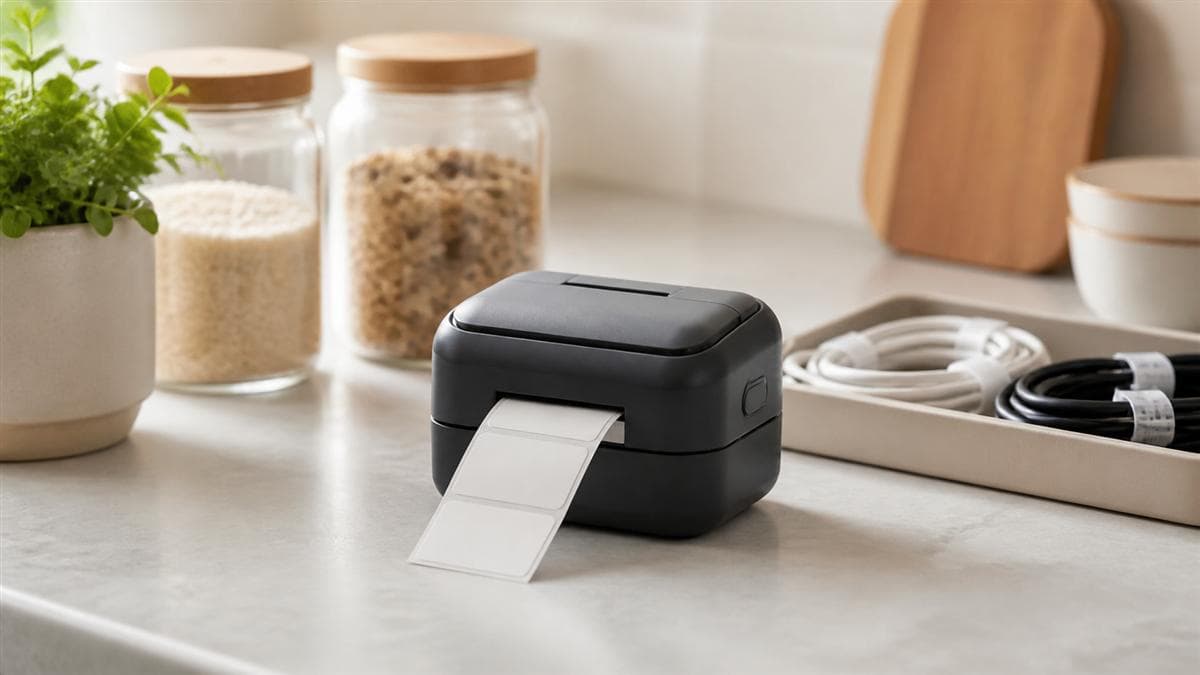
Niimbot Portable Label Printer Review: Is It Actually Worth Using for Everyday Organizing?
A practical look at Niimbot's pocket-sized Bluetooth label printers — what they're genuinely good at, where they fall short, and who should skip them.
Published: August 11, 2026
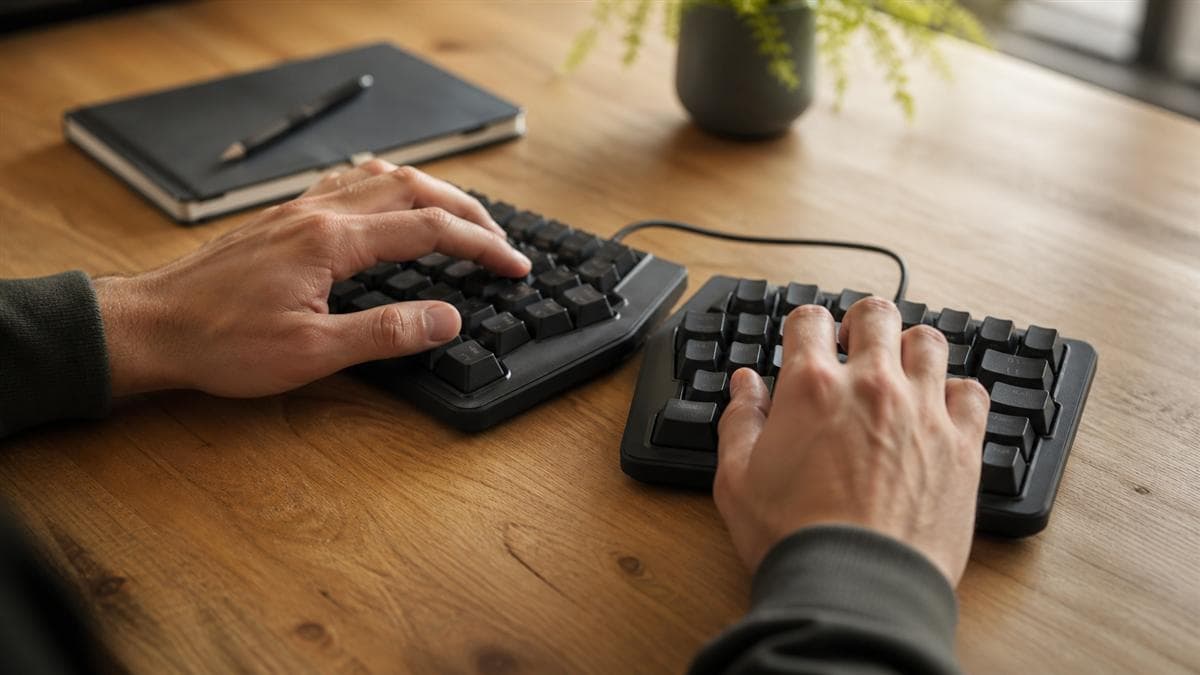
Xbows Mechanical Keyboards Long-Term: What Actually Holds Up After Regular Daily Use
Ergonomic mechanical keyboards get a lot of hype at unboxing. Here's what tends to matter — and what tends to wear — once one becomes your daily driver.
Published: August 11, 2026
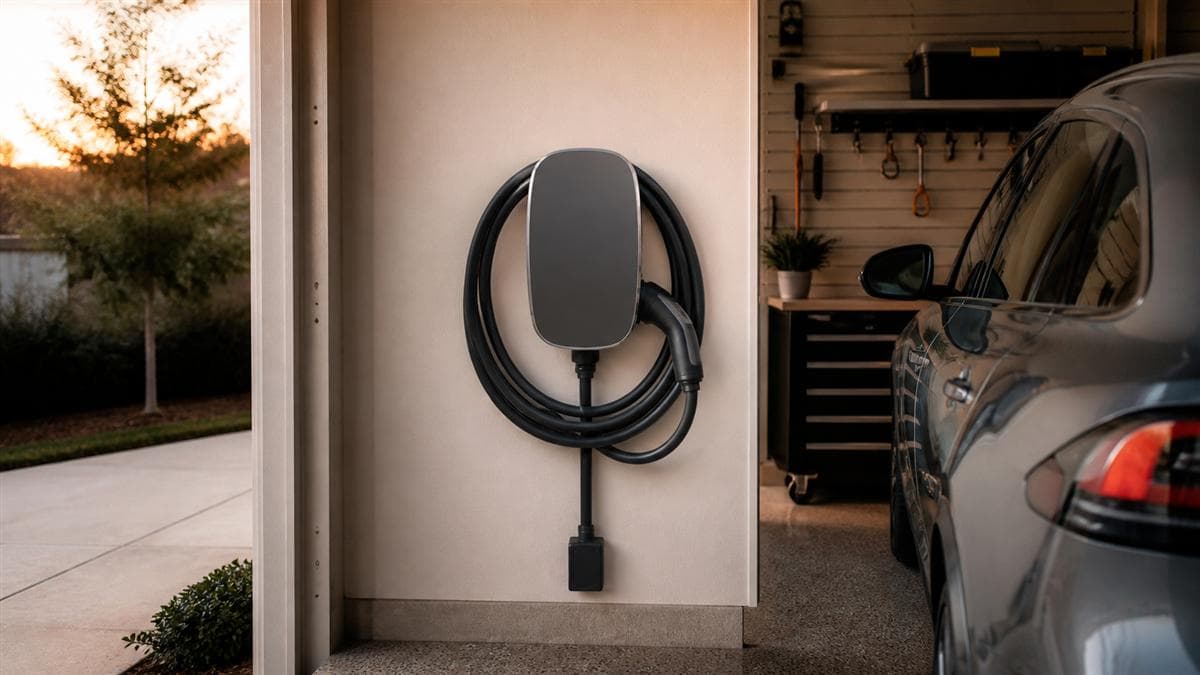
Juice Technology AG EV Chargers Compared: Which Model Actually Fits Your Setup
Juice Technology AG makes several home and portable EV charging options. Here's how the general categories differ so you pick the right one, not the flashiest one.