
Alternatives to a Traditional Greenhouse for Small-Space Growing
A full traditional greenhouse is a significant investment in both space and cost, and it's simply not realistic for a lot of yards, balconies, or budgets. Fortunately, several alternatives can extend a growing season and protect plants without requiring a full structure — each with its own real tradeoffs worth understanding.
Cold frames: a scaled-down, low-cost option
A cold frame — essentially a low, boxed structure with a transparent lid, sitting directly over a garden bed — provides meaningful frost protection and season extension in a fraction of the space and cost of a full greenhouse. They're particularly well suited to hardening off seedlings in spring or protecting cold-tolerant crops later into fall. The tradeoff: limited height means they only work for lower-growing plants, and they offer less climate control than a full greenhouse.
Geodesic dome or hoop-style mini structures
Smaller dome or hoop-style structures offer more usable height and space than a cold frame while still requiring meaningfully less space and investment than a full traditional greenhouse. These work well for someone who wants more growing capacity than a cold frame but doesn't have space or budget for a full structure. Ventilation and temperature management require more attention than with a cold frame, since a taller enclosed space can develop more significant heat buildup on sunny days without adequate airflow.
Row covers and frost cloth
For the simplest, lowest-cost option, floating row covers or frost cloth draped directly over plants (sometimes with simple hoops for structure) provide real frost protection for a fraction of the investment of any structure. This won't extend a season as dramatically as an enclosed structure, but for occasional frost protection or modest season extension, it's a genuinely practical and inexpensive option that requires minimal storage space when not in use.
Indoor grow lights and a dedicated indoor space
For starting seeds or growing certain crops entirely indoors, a grow light setup sidesteps outdoor space and weather considerations entirely. This works especially well for starting seedlings that will later be transplanted outdoors once weather permits, effectively extending the growing season from the other direction — starting earlier indoors rather than protecting plants later into cold weather outdoors.
A comparison based on what matters most to you
- Lowest cost and space: row covers/frost cloth
- Best balance of protection and modest footprint: cold frames
- More growing height and capacity without a full structure: dome/hoop-style mini structures
- Starting plants early regardless of outdoor weather: indoor grow lights
Combining approaches often works best
These alternatives aren't mutually exclusive — many small-space gardeners use indoor grow lights to start seedlings early, then transition young plants to a cold frame or mini dome structure for hardening off, and use row covers for occasional additional frost protection later in the season. Thinking of these as complementary tools rather than a single either/or choice often produces better results than committing to just one approach.
Vertical growing systems as an additional space-saving alternative
For genuinely limited spaces — balconies, small patios — vertical growing systems (tiered planters, wall-mounted growing structures) offer another path to more growing capacity without the footprint of any horizontal structure discussed above. These systems don't typically offer the same frost protection as a cold frame or dome structure, but they meaningfully increase usable growing space in a small footprint, and can be combined with row covers for basic frost protection when needed, effectively stacking multiple space-efficient strategies together.
Matching the alternative to your specific climate's growing challenges
The right alternative also depends on your specific climate's biggest growing challenge — a climate with a short but intensely hot summer may benefit more from shade-providing structures than frost-focused ones, while a climate with a long, cold shoulder season benefits most from the frost-extension alternatives discussed earlier. Identifying your specific climate's biggest constraint on the growing season, rather than assuming frost protection is universally the top priority, helps prioritize which alternative is actually worth investing in first.
Considering a shared or community growing space as another alternative
For anyone with genuinely no viable personal outdoor space for any of the structures discussed, a community garden plot or shared growing space offers an entirely different path to extended growing capability, sometimes with access to shared greenhouse or cold-frame infrastructure that would be impractical to build individually. This is worth considering as a complementary or alternative option to the personal-space solutions covered above, particularly for anyone in a genuinely space-constrained living situation like an apartment with no private outdoor area at all.
Considering a cloche for individual plant protection
For protecting just a few individual plants rather than a whole garden bed, a simple cloche (a small individual cover, often glass or plastic) offers the most minimal-footprint option of all the alternatives discussed, useful as a targeted solution alongside broader approaches like cold frames or row covers.
A brief note on cost ranges across these alternatives
Rough relative cost ordering, lowest to highest, generally runs: row covers, cold frames, dome/hoop structures, then indoor grow light setups — useful as a starting reference when weighing budget alongside the functional tradeoffs already discussed for each option.
If you're ready to buy, Geodomex is worth checking — they currently have £100 off with code HIENSAVE100 live right now.
If you're ready to buy, Geodomex is worth checking — they currently have £100 off with code HIENSAVE100 live right now.
If you're ready to buy, Geodomex is worth checking — they currently have £100 off with code HIENSAVE100 live right now.
If you're ready to buy, Geodomex is worth checking — they currently have £100 off with code HIENSAVE100 live right now.
If you're ready to buy, Geodomex is worth checking — they currently have £100 off with code HIENSAVE100 live right now.
If you're ready to buy, Geodomex is worth checking — they currently have £100 off with code HIENSAVE100 live right now.
If you're ready to buy, Geodomex is worth checking — they currently have £100 off with code HIENSAVE100 live right now.
If you're ready to buy, Geodomex is worth checking — they currently have £100 off with code HIENSAVE100 live right now.
If you're ready to buy, Geodomex is worth checking — they currently have £100 off with code HIENSAVE100 live right now.
If you're ready to buy, Geodomex is worth checking — they currently have £100 off with code HIENSAVE100 live right now.
If you're ready to buy, Geodomex is worth checking — they currently have £100 off with code HIENSAVE100 live right now.
If you're ready to buy, Geodomex is worth checking — they currently have £100 off with code HIENSAVE100 live right now.
If you're ready to buy, Geodomex is worth checking — they currently have £100 off with code HIENSAVE100 live right now.
If you're ready to buy, Geodomex is worth checking — they currently have £100 off with code HIENSAVE100 live right now.
If you're ready to buy, Geodomex is worth checking — they currently have £100 off with code HIENSAVE100 live right now.
If you're ready to buy, Geodomex is worth checking — they currently have £100 off with code HIENSAVE100 live right now.
Get £100 OFF at Geodomex
Use code HIENSAVE100 at checkout
This article contains an affiliate link. If you buy through it, 5listed may earn a commission at no extra cost to you — see our review policy.
Conclusion
A full traditional greenhouse isn't the only path to a meaningfully extended growing season — cold frames, mini dome or hoop structures, row covers, and indoor grow lights each offer real season-extension benefits at a fraction of the space and cost. Matching the alternative (or combination of alternatives) to your actual space, budget, and growing goals gets most of the benefit without the full commitment.
Keep reading
Related Articles
Alternatives to a Full Espresso Machine for Great Coffee at Home
Published: August 11, 2026
Alternatives to a Full Espresso Machine for Great Coffee at Home
A full espresso setup is a real investment. Here are alternative brewing methods that deliver excellent coffee without the cost and learning curve.
Published: August 11, 2026
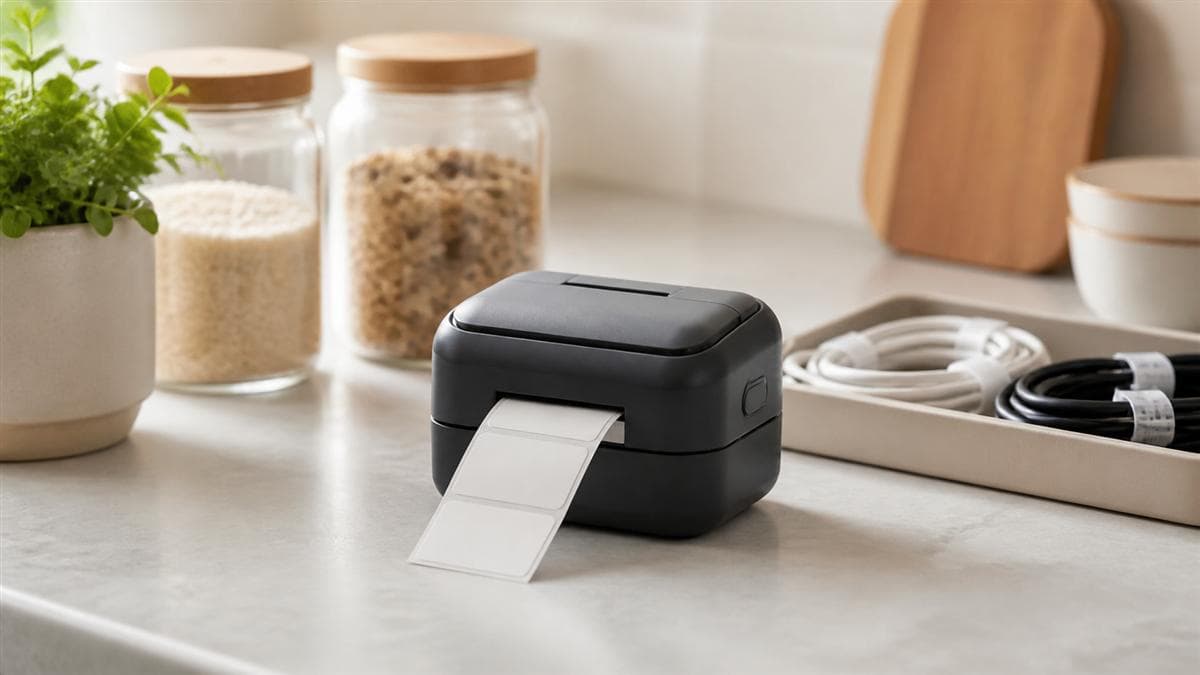
Niimbot Portable Label Printer Review: Is It Actually Worth Using for Everyday Organizing?
A practical look at Niimbot's pocket-sized Bluetooth label printers — what they're genuinely good at, where they fall short, and who should skip them.

Published: August 11, 2026
Xbows Mechanical Keyboards Long-Term: What Actually Holds Up After Regular Daily Use
Ergonomic mechanical keyboards get a lot of hype at unboxing. Here's what tends to matter — and what tends to wear — once one becomes your daily driver.