
A Practical Checklist for Choosing Natural Personal Care Products
"Natural" is one of the least regulated words on a personal care label — in most places, there's no strict legal standard for what qualifies a product to use that term, which means it's more of a marketing signal than a guarantee about ingredients. This checklist helps evaluate what's actually in a bottle rather than relying on front-of-package language alone.
Read the actual ingredient list, not just the front label
The front of a package is marketing; the ingredient list on the back is the actual content. A product can carry prominent "natural" branding while still including a long list of synthetic ingredients further down the formula — checking the actual list, even briefly, tells you far more than any front-label claim. Ingredients are typically listed in descending order by quantity, so the first several ingredients make up the bulk of the product.
Look for recognized third-party certifications
- Look for certification logos from recognized bodies rather than a brand's own unverified claims — third-party certification means an outside organization checked the product against specific standards
- Be aware that certification standards differ between organizations — "certified organic" and "certified natural" can mean different things depending on which body issued the certification
- A product with no certification isn't automatically bad, but a certified product has passed an external check that a self-described "natural" product hasn't necessarily gone through
Watch for vague marketing terms without backing
Terms like "clean," "pure," "chemical-free" (everything, including water, is technically a chemical), and "natural" carry no standardized legal definition in most places, and can be used fairly loosely by different brands. These terms aren't necessarily dishonest, but they're not verifiable claims either — treating them as marketing language rather than technical specifications keeps expectations realistic.
Consider your specific sensitivities, not just the "natural" label
Natural doesn't automatically mean hypoallergenic or gentle — some natural plant-derived ingredients (certain essential oils, in particular) can actually cause more irritation for sensitive skin than some synthetic alternatives specifically formulated to be gentle. If you have known sensitivities, checking a product against your specific triggers matters more than whether it's marketed as natural or not. Patch-testing any new product, natural or otherwise, on a small skin area before full use is a reasonable habit regardless of ingredient sourcing.
Check for full ingredient transparency
Some brands disclose every single ingredient in detail; others use vague catch-all terms like "fragrance" or "proprietary blend" that hide the actual specific components. Greater transparency generally reflects a brand more willing to stand behind its full formula — it's not a guarantee of quality on its own, but it does make it possible to actually evaluate what you're using rather than trusting a summary claim.
A quick checklist to run through before buying
- Did you check the actual ingredient list, not just front-of-package claims?
- Is there a recognized third-party certification, or is "natural" the brand's own unverified claim?
- Are there any ingredients you personally know you're sensitive to, regardless of natural/synthetic origin?
- Does the brand disclose full ingredients, or hide specifics behind vague catch-all terms?
- Have you patch-tested a genuinely new product before full use?
Understanding "greenwashing" in natural product marketing
Greenwashing refers to marketing that creates an impression of environmental or health-conscious values without substantive backing — earthy color palettes, plant imagery, and words like "pure" or "botanical" can all create a natural impression regardless of what's actually in a formula. Recognizing that packaging design and color choices are marketing decisions, separate entirely from the actual ingredient list, helps avoid being influenced by visual cues that carry no real information about a product's actual formulation.
Building a simple ingredient watchlist based on your own experience
Over time, most people identify a handful of specific ingredients — natural or synthetic — that consistently cause irritation or don't work well for their skin, and keeping a simple personal list of these makes future label-checking much faster than starting from scratch with every new product. This personal watchlist, built from genuine experience rather than general internet advice about which ingredients are universally "good" or "bad," tends to be far more useful for actual purchase decisions than generic natural-versus-synthetic guidance.
How to research an unfamiliar ingredient efficiently
When encountering an ingredient name you don't recognize on a label, a quick search using the ingredient's actual chemical or botanical name (rather than a marketing nickname a brand may have given it) against a reputable, independent ingredient database gives more reliable information than relying on a brand's own description of that ingredient. Building this quick-check habit for unfamiliar names makes the whole label-reading process described throughout this checklist considerably more effective over time.
How expiration and shelf life differ for natural formulations
Products with fewer synthetic preservatives often have shorter effective shelf lives once opened than heavily preserved alternatives — checking for a period-after-opening symbol on packaging, and being more attentive to actual shelf life with natural formulations specifically, avoids using a product past the point where its natural preservation system still works effectively.
A final sanity check before checkout
Before completing any purchase, a quick final pass through the checklist items already covered — ingredient list checked, certification verified, personal sensitivities considered — takes under a minute and meaningfully reduces the odds of an impulse purchase you'll regret once you actually read the label at home.
If you're ready to buy, Zatural is worth checking — they currently have 30% off live right now.
If you're ready to buy, Zatural is worth checking — they currently have 30% off live right now.
If you're ready to buy, Zatural is worth checking — they currently have 30% off live right now.
If you're ready to buy, Zatural is worth checking — they currently have 30% off live right now.
If you're ready to buy, Zatural is worth checking — they currently have 30% off live right now.
If you're ready to buy, Zatural is worth checking — they currently have 30% off live right now.
If you're ready to buy, Zatural is worth checking — they currently have 30% off live right now.
If you're ready to buy, Zatural is worth checking — they currently have 30% off live right now.
If you're ready to buy, Zatural is worth checking — they currently have 30% off live right now.
If you're ready to buy, Zatural is worth checking — they currently have 30% off live right now.
If you're ready to buy, Zatural is worth checking — they currently have 30% off live right now.
If you're ready to buy, Zatural is worth checking — they currently have 30% off live right now.
If you're ready to buy, Zatural is worth checking — they currently have 30% off live right now.
If you're ready to buy, Zatural is worth checking — they currently have 30% off live right now.
If you're ready to buy, Zatural is worth checking — they currently have 30% off live right now.
If you're ready to buy, Zatural is worth checking — they currently have 30% off live right now.
Get 30% OFF at Zatural
This article contains an affiliate link. If you buy through it, 5listed may earn a commission at no extra cost to you — see our review policy.
Conclusion
"Natural" on a label is a starting point for curiosity, not a stopping point for research — the actual ingredient list, any real third-party certification, and your own personal sensitivities matter far more than front-of-package marketing language. A quick habit of checking these things before buying leads to better matches for your skin, regardless of how a product is branded.
Keep reading
Related Articles
Published: August 11, 2026
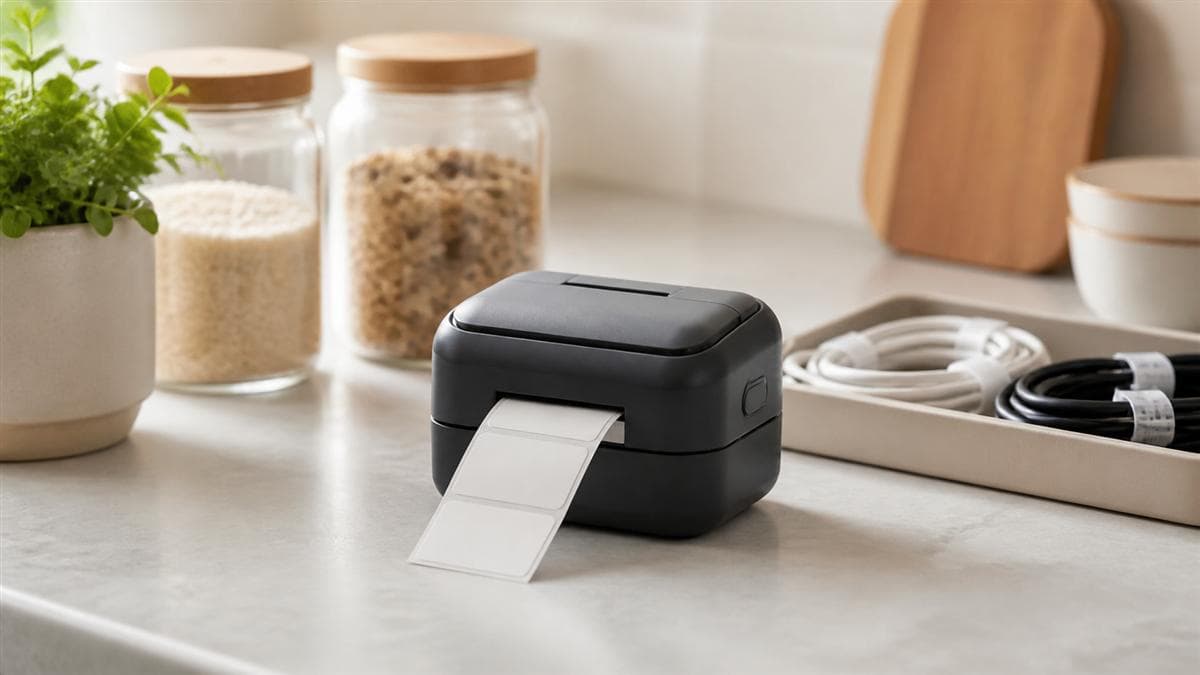
Niimbot Portable Label Printer Review: Is It Actually Worth Using for Everyday Organizing?
A practical look at Niimbot's pocket-sized Bluetooth label printers — what they're genuinely good at, where they fall short, and who should skip them.

Published: August 11, 2026
Xbows Mechanical Keyboards Long-Term: What Actually Holds Up After Regular Daily Use
Ergonomic mechanical keyboards get a lot of hype at unboxing. Here's what tends to matter — and what tends to wear — once one becomes your daily driver.

Published: August 11, 2026
Juice Technology AG EV Chargers Compared: Which Model Actually Fits Your Setup
Juice Technology AG makes several home and portable EV charging options. Here's how the general categories differ so you pick the right one, not the flashiest one.